A Remarkable Turnaround: Iowa's Conservation Triumph
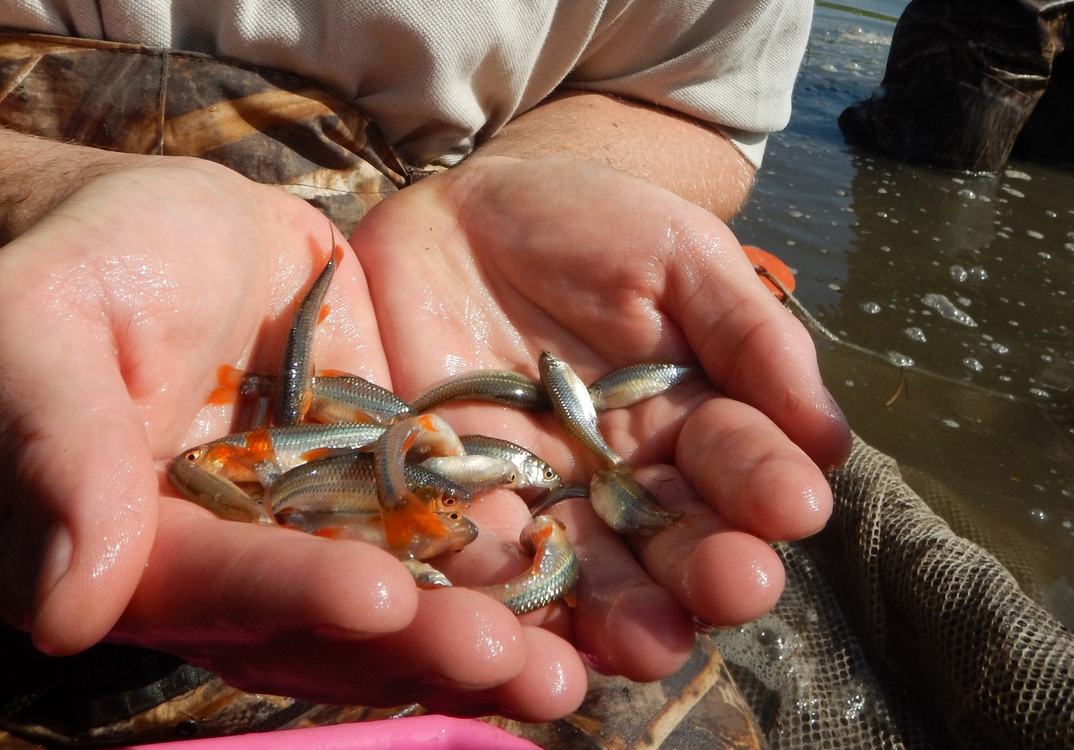
In an inspiring display of environmental stewardship, Iowa has initiated an extensive conservation program centered around the tiny Topeka shiner fish. Originally implemented to protect this federally-endangered species, the restoration of oxbow lakes has revealed substantial benefits for the state's entire ecosystem.
Reviving Lost Ecosystems
The Topeka shiner, once prevalent across Iowa's natural wetlands, faced a serious decline as a result of agricultural expansion that wiped out over 10,000 vital water bodies. Recognizing the urgent need for restoration, the US Fish and Wildlife Service, alongside the Iowa chapter of the Nature Conservancy, launched efforts to revive these oxbow lakes. Recent success in re-establishing these ecosystems is noteworthy; more than 200 lakes have been restored, and the shiner has been spotted in 60% of them.
A Broader Environmental Impact
What began as a targeted effort to save a single fish species has blossomed into a broader initiative that also addresses nutrient runoff problems affecting the state. The restored wetlands now support not only the Topeka shiner but also a rich diversity of wildlife, including 57 fish species, 81 bird species, and various other creatures like turtles and river otters. This multi-species recovery emphasizes the interconnectedness of ecosystems and the importance of habitat preservation.
A Sustainable Model for Conservation
The financial framework supporting this extensive restoration is commendable as well. By leveraging private capital and combining state and federal grants, the program provides landowners with incentives while minimizing any financial burdens. This collaborative approach not only optimizes habitat restoration efforts but also fosters community involvement in safeguarding Iowa's natural resources.
The ongoing accomplishments of the Iowa conservation program illustrate a profound commitment to nature and highlight a successful model for rewilding initiatives worldwide. As stated by Karen Wilke of the Nature Conservancy, “It really is a success story.” This endeavor serves as a testament to the positive impacts that dedicated conservation efforts can achieve for both wildlife and communities alike.

