A Revolutionary Dating Show is Changing Perspectives on Deaf Culture
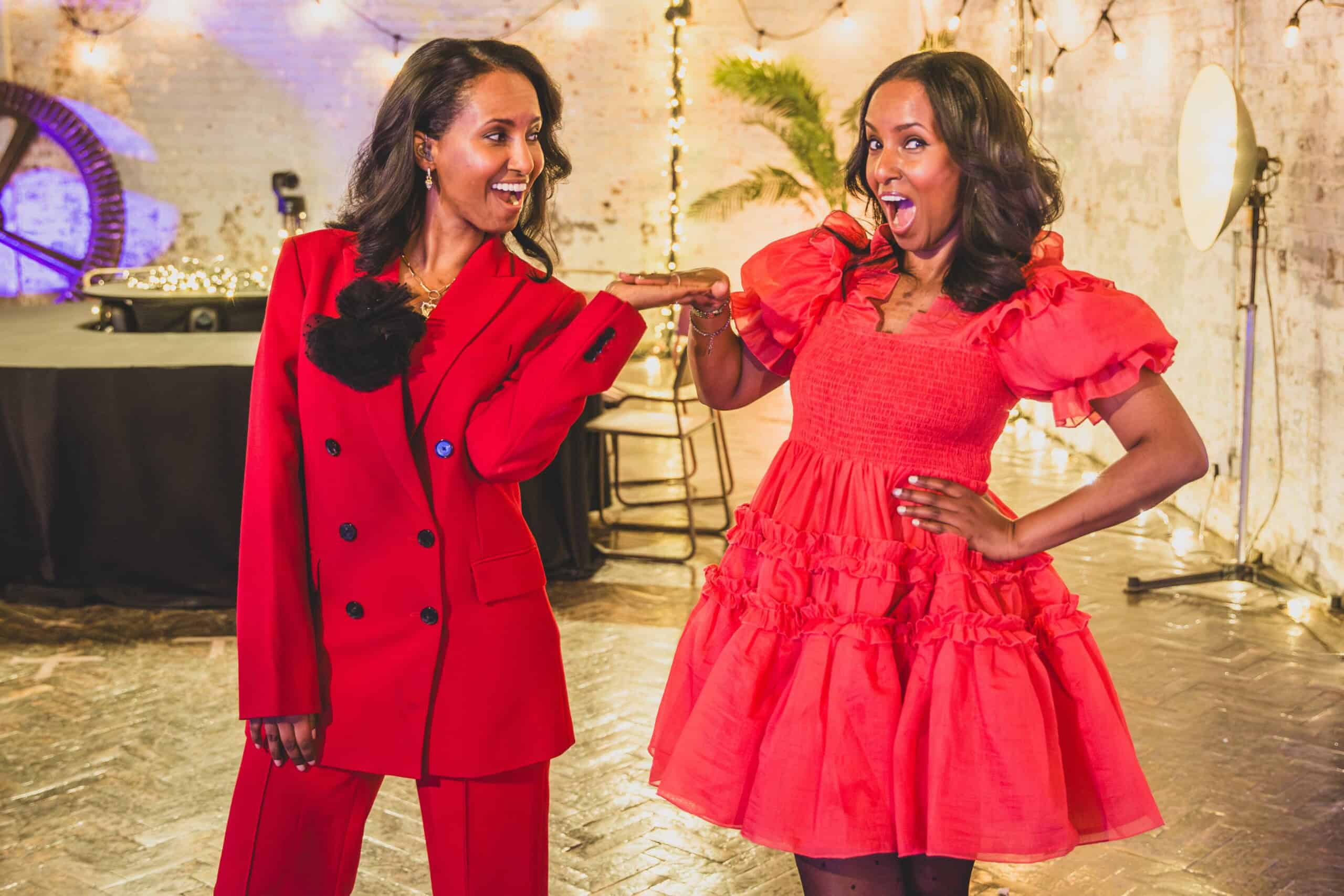
In a groundbreaking move towards inclusivity, a British Sign Language dating show titled "Hold My Hand" is shattering stereotypes and showcasing the deaf community in an unprecedented way. This series is not only a dating show but also a celebration of British Sign Language (BSL) as a fundamental part of culture and identity.
Breaking Barriers through Representation
Broadcast exclusively on Lumo TV, a deaf-led streaming platform, "Hold My Hand" aims to illuminate the realities of relationships within the deaf community. Hosted by deaf identical twins Hermon and Heroda Berhane, the show features contestants who are either deaf or children of deaf adults (Codas), all communicating in BSL. The twins express their desire to reveal the richness of their culture, asserting that this platform is a first in highlighting not just dating, but the broader identity of the deaf community.
Encouraging Openness and Understanding
With research indicating that a significant percentage of young adults feel uncomfortable in dating situations involving BSL, the Berhane twins hope to foster a sense of curiosity and encouragement among hearing audiences. "BSL is just another language," says Heroda, advocating for a future where deaf individuals are seen as relatable and human. The show combines light-hearted competition with meaningful dialogue about relationships, aiming to break down preconceived notions about deafness.
Expanding Representation in Media
The impact of "Hold My Hand" transcends the boundaries of dating shows, contributing to broader representation in media. Notably, children's programming is set to include authentic portrayals of deafness, as exemplified in the upcoming storyline of Peppa Pig, where Peppa’s brother George will be shown navigating life with a hearing aid. Such visibility is crucial for the over 50,000 deaf children in the UK and highlights the positive direction towards inclusivity in entertainment.
As "Hold My Hand" paves the way for more authentic representations, it serves as a reminder that every culture deserves to be seen and celebrated in mainstream narratives. The commitment to understanding and bridging the gaps between hearing and deaf communities marks a significant step toward a more inclusive future.

