A Small Fish Sparks Major Conservation Success Across Iowa
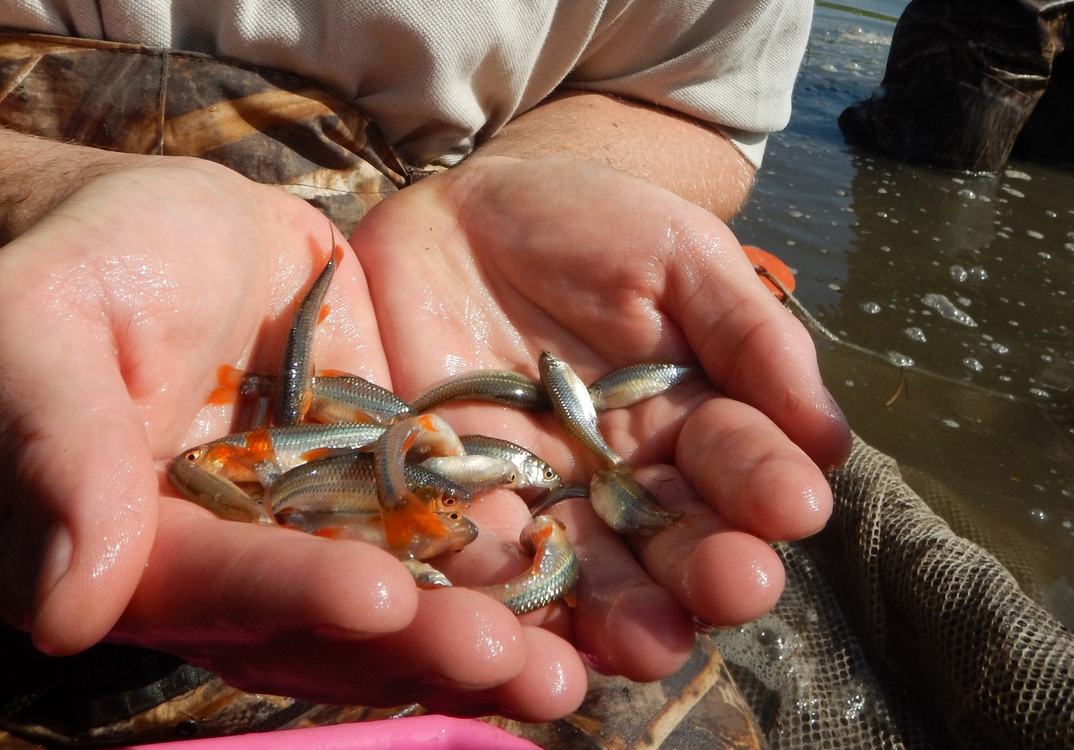
In an inspiring tale of environmental restoration, a tiny fish known as the Topeka shiner is at the heart of a significant conservation effort that is rejuvenating Iowa's natural landscapes. Initially aimed at preserving this federally-endangered species, the project has evolved into a broader mission to tackle the state's nutrient runoff problems and restore vital ecosystems.
Restoring Oxbow Lakes: A Holistic Approach to Conservation
Once prevalent across Iowa, the Topeka shiner's existence was severely threatened as agricultural practices eradicated over 10,000 oxbow lakes—critical wetland habitats that once formed micro ecosystems within the state's rivers. Recognizing the desperate situation, in 1998 the fish was placed on the Endangered Species List, prompting a concerted effort by the US Fish and Wildlife Service and local conservationists.
Since the restoration process began in 2000, dozens of oxbow lakes have been revived, leading not only to the return of the Topeka shiner but also to a remarkable increase in biodiversity. Conservationists have documented an impressive 57 fish species and 81 bird species thriving in these restored habitats, alongside a plethora of other wildlife including mussels, turtles, and even river otters.
Collaboration and Community Involvement
The restoration efforts have been a collaborative triumph, supported by a mix of private capital, state and federal grants. The initiative seeks to ensure that landowners are incentivized to participate without bearing the financial burden, thus reinforcing community involvement in ecological restoration. Notably, the Iowa Soybean Association has joined the charge, promoting further restoration efforts in the Boone River watershed.
A Success Story for Conservation
Most importantly, the efforts are yielding results. Topeka shiners have been spotted in over 60% of the 200 oxbow lakes restored across Iowa, a clear indication of the project’s success. Moreover, a 2021 review recommended reclassifying the Topeka shiner from “endangered” to “threatened”, marking a pivotal moment not just for the species but for the broader efforts in wildlife conservation in the United States.
This initiative stands as a testament to the powerful impact of dedicated conservation work, reigniting hope for the future of species that once seemed lost. The story of the Topeka shiner is not just about saving a fish; it is about reviving entire ecosystems in Iowa. The remarkable recovery of nature, fueled by community action and ecological understanding, illustrates that even the smallest species can be the catalyst for significant environmental change.

