A Tiny Fish Sparks a Major Conservation Success in Iowa
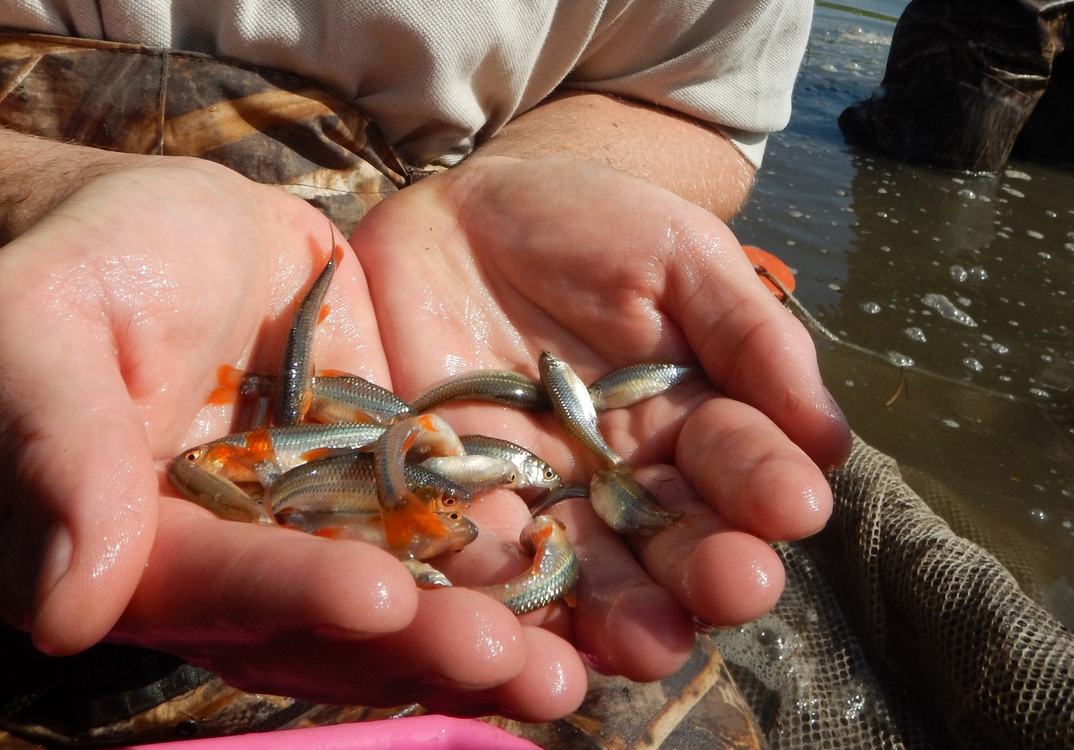
Across the rolling landscapes of Iowa, a small fish has become the catalyst for an impressive conservation initiative that has breathed new life into the state's wetlands. The Topeka shiner, a federally-endangered member of the minnow family, has inspired the restoration of hundreds of oxbow lakes, demonstrating remarkable benefits for both biodiversity and water quality.
From Endangered to Thriving
The transformation of Iowa's ecological landscape began in the late 1990s when the Topeka shiner was placed on the Endangered Species List. With the assistance of the US Fish and Wildlife Service and the Iowa chapter of the Nature Conservancy, efforts were made to identify and restore the vital oxbow lakes that had disappeared due to agricultural practices. These lakes, which once formed a crucial part of Iowa's natural state, are not just important for the shiner but also serve as a vital habitat for a wide array of species.
Wider Environmental Benefits
As conservationists restored these oxbow lakes, they discovered a significant secondary benefit: improved water quality. Pollutants that previously flowed unchecked into waterways began to settle in the mud of the oxbows. “It really is a success story,” notes Karen Wilke, associate director of freshwater at the Nature Conservancy in Iowa, highlighting that the initiative now supports not just the Topeka shiner, but the overall health of Iowa’s waterways.
A Flourishing Ecosystem
The restoration efforts have rekindled life in these wetlands, with documentation of over 57 fish species and 81 bird species returning to inhabit the flourishing ecosystems. Beyond fish and birds, the restored habitats have become home to mussels, turtles, amphibians, beavers, and even river otters. "All the species are hungry to have this habitat come back, hungry to have more water on the landscape," Wilke reflects, showcasing the profound impact of this conservation success.
Financial Support and Future Prospects
The initiative has been supported through a combination of private investment and grants, ensuring that landowners can engage in these restoration projects without financial burdens. The collaboration between various stakeholders, including the Iowa Soybean Association, has further bolstered these efforts, empowering the local community to invest in their environment.
The Topeka shiner’s resurgence in over 60% of the 200 restored oxbow lakes represents a hopeful trend in wildlife conservation, with recent reviews even suggesting the possibility of downgrading the shiner's status from "endangered" to "threatened." This shift would mark yet another victory for the Endangered Species List, showcasing its efficacy as one of the most successful conservation policies globally.
As Iowa continues to restore its rich natural heritage, the inspiring story of the Topeka shiner serves as a powerful reminder of the positive impact that dedicated conservation efforts can have on both the environment and local communities.

