An Inspiring Comeback: The Green and Golden Bell Frog's Return to the Wild
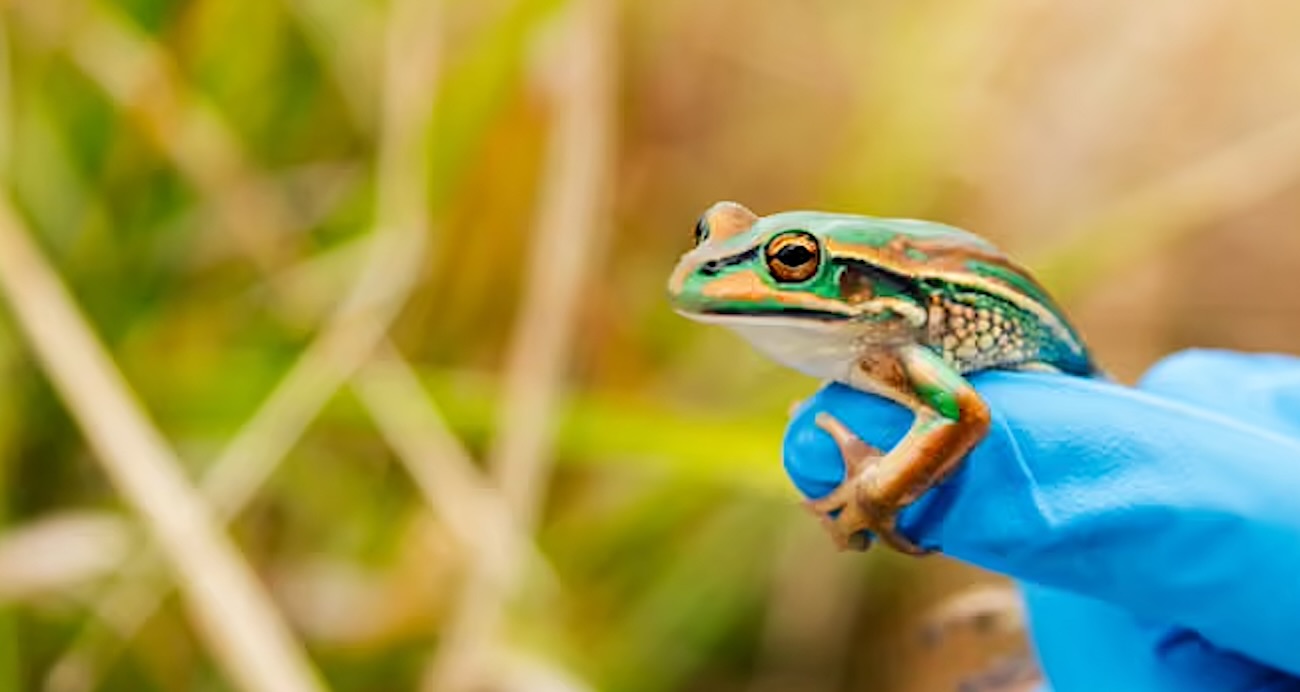
The reintroduction of the green and golden bell frog to the wetlands around Canberra is a remarkable testament to the resilience of nature and the efforts of scientists. After facing a population collapse due to the deadly chytrid fungus, this beautiful amphibian is once again finding its place in the ecosystem.
A New Hope for Endangered Species
Bred in captivity, these frogs are being released in groups of 15 into specially selected ponds and wetlands. Each frog has been immunized against the chytrid fungus, which has led to widespread declines and extinctions among amphibians worldwide. This reintroduction not only breathes life back into the species but also serves as a model for future conservation efforts.
Innovative Measures for Survival
To aid in their survival, scientists at the University of Canberra have constructed “frog saunas”—piles of black bricks covered with rigid plastic sheets. These structures create a warm environment that is inhospitable for the chytrid fungus while providing shelter for the frogs. This innovative approach exemplifies the lengths to which conservationists will go to ensure the survival of endangered species.
The Future Looks Bright
With over 300 captive-bred frogs set for release and a breeding potential of approximately 8,000 eggs per female in a single mating season, the future seems promising. Scientists aim to restore around 200 frogs to each of the 15 ponds, facilitating a robust population rebound. As Associate Professor Simon Clulow notes, witnessing this reintroduction is akin to watching a child move out of the house, filled with hope and forward-looking sentiment.
As the green and golden bell frog reinfuses life into the ecosystem, it brings with it the narrative of revival against the odds, illuminating the critical importance of dedicated wildlife conservation efforts.

