Angola Sets a New Standard in Environmental Conservation with Wetland Designation
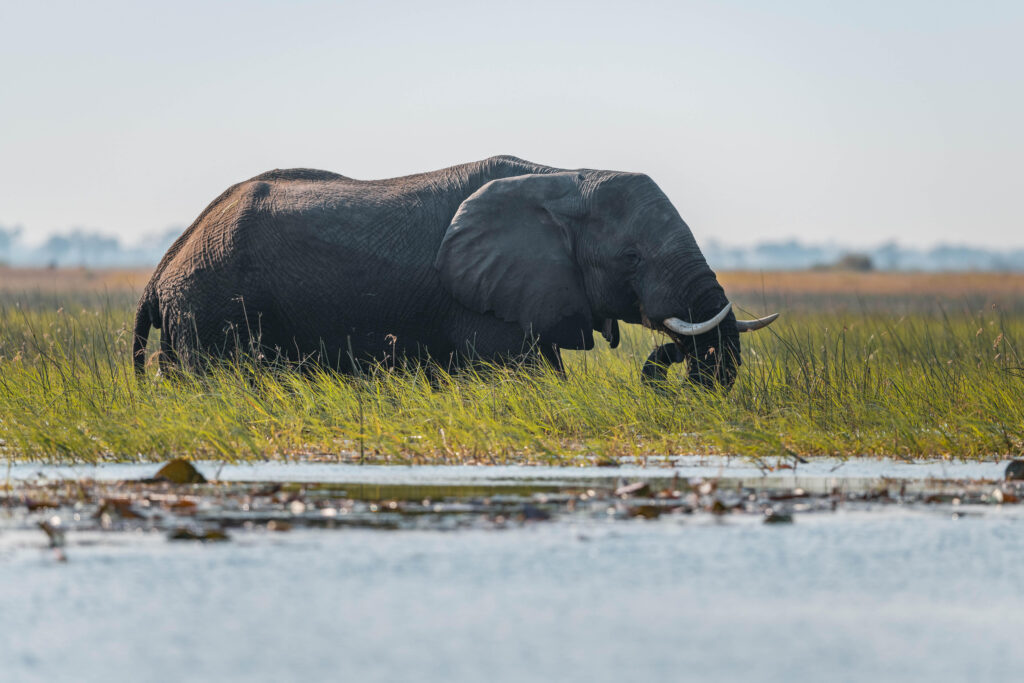
In a significant move towards environmental conservation, Angola has officially designated its first wetland of international importance under the Ramsar Convention on Wetlands treaty. This new designation, named Lisima Lya Mwono, underscores the importance of preserving vital ecosystems that feed water supplies for millions across central and southern Africa.
A Cultural and Environmental Milestone
The designation of Lisima Lya Mwono represents nearly a decade of collaborative efforts that involved scientific research and the active participation of Indigenous and local communities. According to conservation experts, this initiative will not only help safeguard an essential water source but also protect unique ecosystems supporting endangered species such as the African elephant and wattled cranes.
Community Involvement: A Key to Conservation
Kerllen Costa, an environmental anthropologist working with the National Geographic Okavango Wilderness Project, highlighted the crucial role that local knowledge and traditions play in protecting these landscapes. The customary land-use systems maintained by the communities have been fundamental to preserving the integrity of the wetland, demonstrating that local wisdom can effectively govern conservation efforts.
Positive Impacts on Global Conservation Challenges
As the world grapples with water scarcity and environmental degradation, the Ramsar designation could attract international attention and funding for conservation. Angola’s experience illustrates how lower-income countries can leverage community-driven conservation efforts to secure recognition and support, paving the way for similar initiatives across the continent.
While challenges remain, including implementation and management of the newly designated site, the future appears promising. The recognition garnered by Lisima Lya Mwono may help Angola and its neighbors combat environmental threats and promote sustainable practices in the region.

