Angola Takes Bold Step to Protect Vital Wetlands: A New Era of Conservation
In a significant move for environmental conservation, Angola has recently designated its first wetland of international importance under the Ramsar Convention. This announcement marks a pivotal moment in the effort to protect one of Africa's crucial ecosystems, the Lisima Lya Mwono, translating to "source of life" in the local Luchazi language.
A Decade of Dedication to Conservation
The achievement is the result of nearly a decade of collaborative efforts involving scientists, Indigenous communities, and government officials. Conservation experts emphasize that this initiative isn't merely about drawing boundaries on a map; rather, it is deeply rooted in the traditional ecological knowledge of local communities who have stewarded this region for generations. By integrating Indigenous practices with scientific research, Angola is setting a precedent for holistic conservation strategies.
The Importance of the Lisima Lya Mwono Wetland
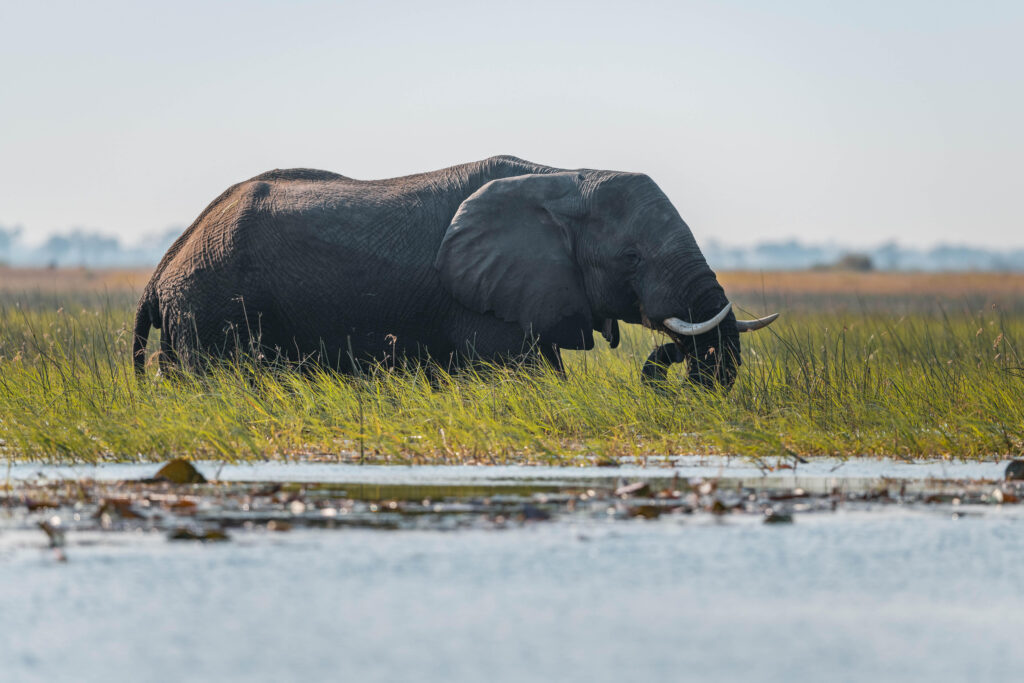
Spanning an area the size of Costa Rica, Lisima Lya Mwono plays a critical role in supplying fresh water to millions across seven nations. It supports vital river systems, including the Congo and Zambezi, and is home to a diversity of wildlife, including some of Africa's largest remaining elephant populations and various endangered species. This wetland, rich in biodiversity, symbolizes hope amidst growing environmental challenges that threaten water security globally.
Challenges and Opportunities Ahead
With the Ramsar designation comes the potential for increased international attention and funding for conservation efforts. Although this designation does not guarantee immediate protections, it signifies a commitment to the "wise use" of these resources, balancing environmental preservation with social and economic considerations. Angola's experience underscores the critical role that local communities play in effective conservation—demonstrating that successful environmental stewardship often emerges from traditional knowledge systems.
Looking Toward the Future
As Angola navigates the complexities of implementing conservation programs, the collaboration with local communities will be essential. The recent successes achieved in the Lisima Lya Mwono ecosystem may serve as a model for similar initiatives across Africa and beyond, promoting a new paradigm in which local wisdom is respected and utilized in the fight against climate change and ecological degradation.

