Angola Takes Bold Step to Protect Vital Wetlands: A Triumph for Local Communities and Biodiversity
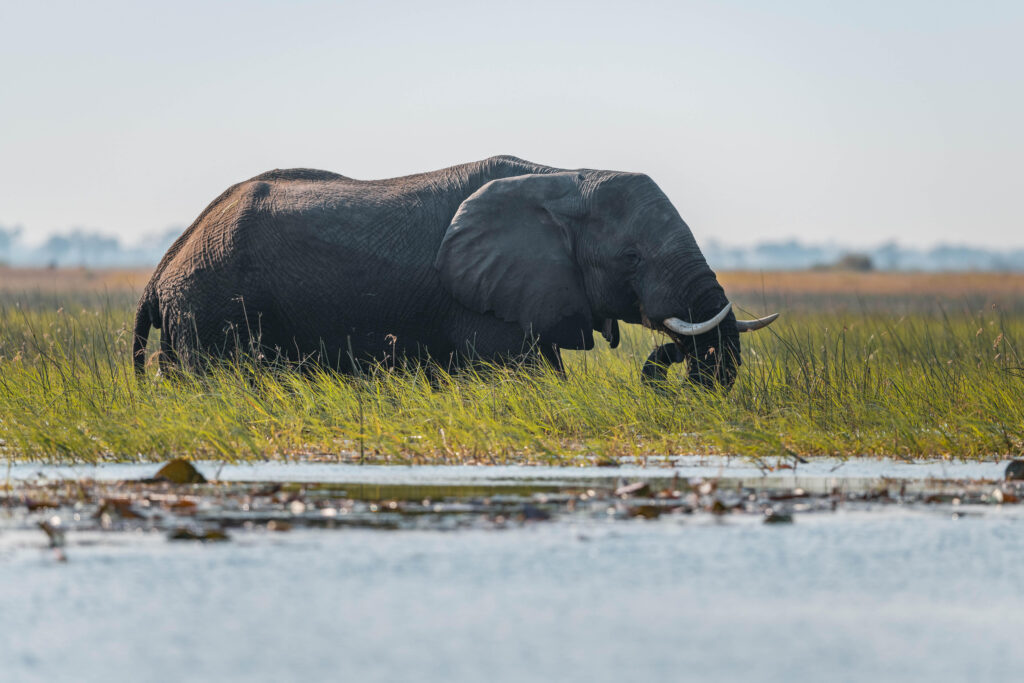
In a significant move towards environmental conservation, Angola has designated its first wetland of international importance under the Ramsar Convention on Wetlands treaty. This announcement, made in January, highlights the global recognition of the Lisima Lya Mwono site—a high-altitude plateau on which countless ecosystems thrive and which serves as a vital water source for millions across central and southern Africa.
A Triumph for Indigenous Knowledge and Conservation
The groundbreaking designation is the result of nearly a decade of collaborative efforts involving local communities and scientific experts. The conservation of this vital area is not merely a bureaucratic achievement; it embodies the extensive ecological knowledge of Indigenous and local communities who have cared for the Angolan Highlands Water Tower for generations. As Kerllen Costa, an environmental anthropologist with the National Geographic Okavango Wilderness Project, pointed out, the true protection of Lisima Lya Mwono originates from the community's historical systems designed to maintain the area's ecological integrity.
Benefits of Ramsar Designation
While the Ramsar designation may not guarantee immediate protective measures, it signals a commitment to the “wise use” of the wetland, aligning environmental conservation with social and economic needs. This acknowledgment is expected to attract global attention and conservation funding, vital for the ongoing efforts to protect biodiversity that is at risk due to climate change and human activity. The site supports diverse wildlife, including Africa's largest remaining elephant populations and other iconic species like lions and leopards.
Looking Towards the Future
The designation also serves as a platform for future conservation initiatives and demonstrates that local conservation models can effectively address environmental challenges. By integrating Indigenous practices and knowledge into contemporary conservation programs, Angola sets a positive precedent. Costa's philosophy of Ñgala Okola emphasizes the sacred power of local traditions in fostering ecological stewardship.
As Angola moves forward with the Ramsar designation, emphasis will be placed on implementing conservation strategies that engage local communities while balancing ecological preservation with economic needs. This inclusive approach may serve as a model for other nations looking to enhance wetland protection amidst global environmental crises.

