Angola's Bold Move: Protecting a Vital Ecosystem for Future Generations
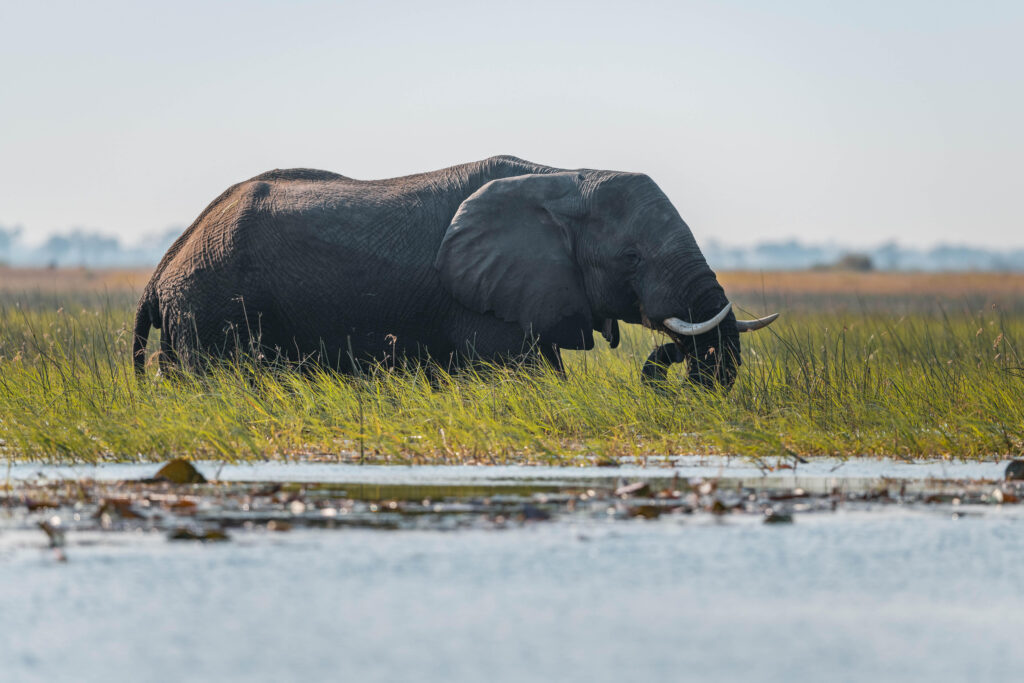
In a significant win for environmental conservation, Angola has designated its first wetland of international importance under the Ramsar Convention on Wetlands treaty. This groundbreaking decision, made by Angolan officials in January, highlights a growing recognition of the critical role that wetlands play in sustaining biodiversity and water resources for millions across southern Africa.
A Historic Designation
The newly recognized site, Lisima Lya Mwono—translated as "source of life" in the local Luchazi language—is situated in eastern Angola, on a high-altitude plateau that supports rich ecosystems. This wetland serves as a crucial water source for several major river systems, including the Congo and Zambezi basins. Furthermore, it is home to some of Africa's largest remaining populations of elephants, endangered cranes, and various big cats, putting the area at the heart of both ecological and cultural significance.
The Role of Local Communities
What sets this designation apart is the collaborative effort between conservation scientists and local Indigenous communities, who have effectively protected the Angolan Highlands Water Tower for generations. For nearly a decade, these communities have worked alongside experts to safeguard the land, employing traditional ecological knowledge and practices that respect the local environment. “This site wasn’t protected because someone drew a line on a map, it was protected because people already had systems in place that kept it intact,” explained Kerllen Costa, an environmental anthropologist involved in the project.
Challenges Ahead and Hope for the Future
Despite the hopeful news surrounding this designation, the newly recognized wetland still faces significant threats from climate change, agriculture, and deforestation. However, the Ramsar designation serves not only as a formal acknowledgment of the site's importance but also as a rallying point for greater funding and support from both government and international organizations. With sufficient investment and community-driven management practices, there is potential for meaningful long-term protections to be implemented, thereby ensuring that this source of life continues to flourish.
The international recognition that comes with Ramsar status could attract crucial partnerships and resources needed to bolster conservation efforts. As communities continue to lead conservation initiatives while leveraging traditional knowledge, Angola sets a powerful example of the impact that local stewardship can have on global environmental health. The next steps will depend heavily on the support of the global community in recognizing and respecting the invaluable work being done by local inhabitants.

