Angola's Historic Ramsar Designation: A New Dawn for Wetland Conservation
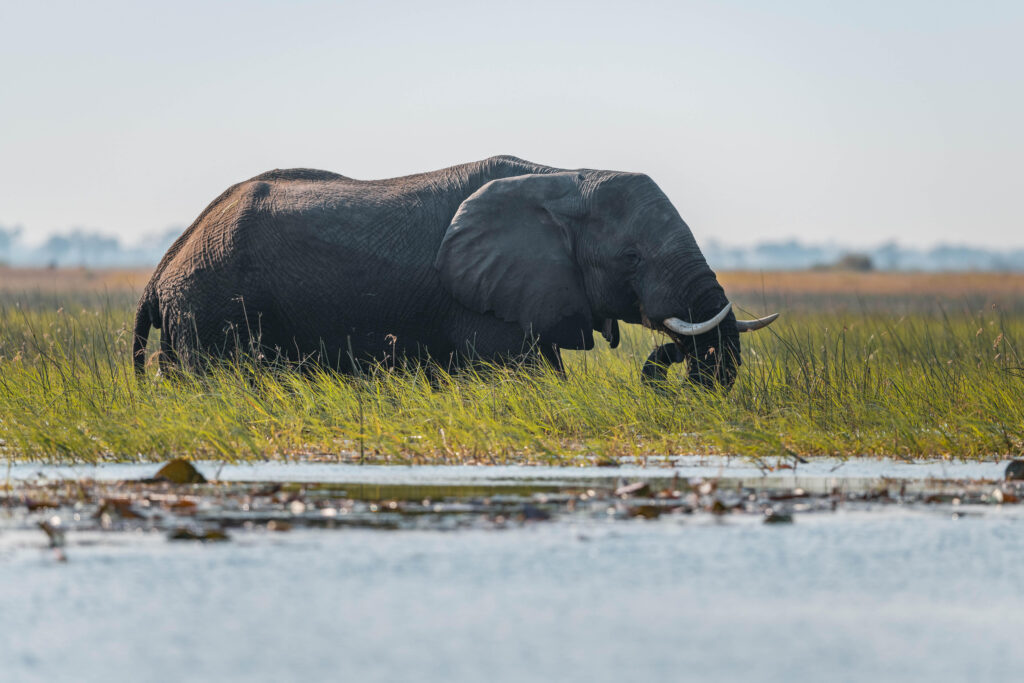
In a significant move toward environmental preservation, Angola has officially designated its first wetland of international importance under the Ramsar Convention on Wetlands treaty. This decision comes at a crucial time as the world grapples with severe water scarcity and climate change, underscoring the need for robust action to protect vital ecosystems.
Lisima Lya Mwono: The New Ramsar Site
The newly listed site, known as Lisima Lya Mwono—translated as “source of life” in the local Luchazi language—is located in eastern Angola. This high-altitude plateau is rich in forests, lakes, and headwaters that support some of Africa's most essential river systems, including the Congo and Zambezi basins. The wetland is not only crucial for maintaining biodiversity but also provides fresh water for millions across seven nations.
Community Involvement and Traditional Knowledge
What stands out in Angola's approach is the emphasis on collaboration with Indigenous and local communities. For nearly a decade, scientists worked alongside these communities, gathering valuable ecological knowledge that informed the conservation strategies. Kerllen Costa from the National Geographic Okavango Wilderness Project emphasizes that the protection of this site is rooted in the historical stewardship of local people who have maintained the integrity of the land for generations.
Challenges Ahead
Despite this landmark designation, the journey ahead is fraught with challenges. The site faces pressures from climate change, unsustainable agricultural practices, and deforestation. While the Ramsar designation requires governments to commit to wise and sustainable use of the area, the real test lies in effective implementation and management. The global attention attracted by this designation could prove vital, opening doors for conservation funding and international partnerships.
A Call to Action
As the international community acknowledges the intrinsic value of natural ecosystems, Angola's proactive step serves as a model for other nations. It highlights the importance of integrating Indigenous knowledge with scientific research to reinforce conservation efforts. The path forward will depend on concerted global support, ensuring that local practices are respected and bolstered to safeguard these precious ecosystems for future generations.

