Angola's Historic Step Towards Wetland Conservation: A Lifeline for Africa's River Systems
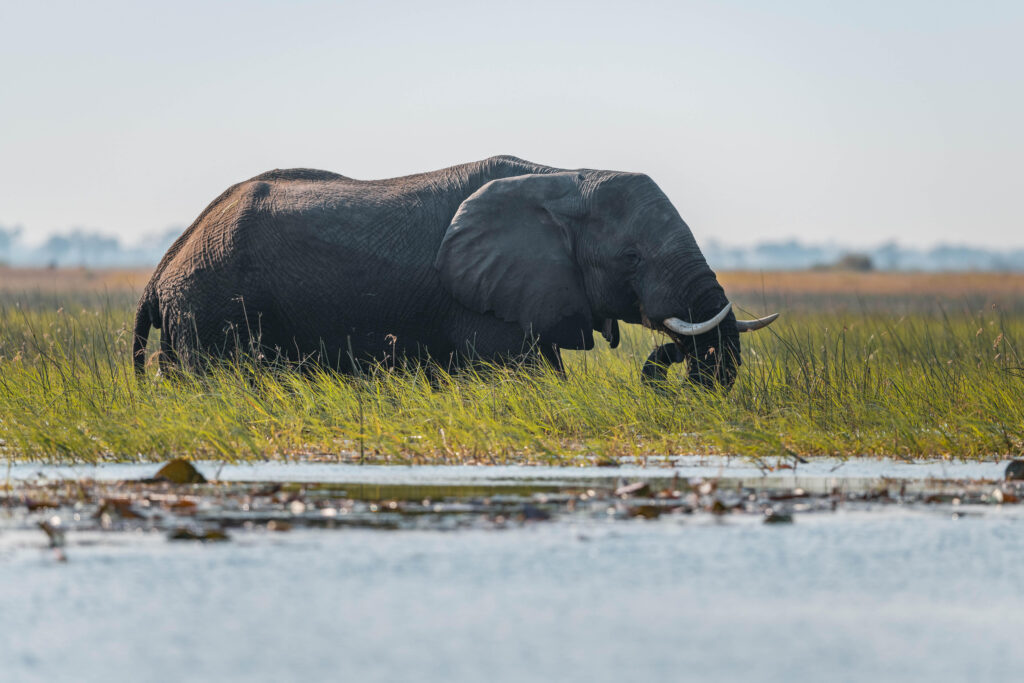
In a groundbreaking move, Angola has designated its first wetland of international importance under the Ramsar Convention, spotlighting a critical ecosystem that has remained underappreciated amid global conservation efforts. This historic decision marks a significant triumph for the preservation of biodiversity and sustainable management of water resources in central and southern Africa.
The Lisima Lya Mwono Wetland: Source of Life
Located in eastern Angola, the newly recognized Lisima Lya Mwono wetland, meaning "source of life" in the local Luchazi language, plays a vital role in replenishing key river systems like the Congo and Zambezi. It supports a unique array of biodiversity, including Africa's largest remaining elephant populations and endangered bird species. The recognition comes at a crucial time when the United Nations highlights a global water crisis affecting millions.
Community Involvement and Indigenous Knowledge
The designation was not a mere formality. It is the culmination of nearly a decade of collaboration between scientists and Indigenous communities, who have managed to conserve this vital area through traditional practices and ecological knowledge. The commitment from local people showcases the effectiveness of integrating Indigenous wisdom with modern conservation strategies, demonstrating that sustainable practices can flourish when communities are involved in the stewardship of their lands.
Challenges Ahead: Implementation and Global Attention
A Ramsar designation is a step towards protection, but it does not automatically ensure binding measures. The Angolan government faces the challenge of implementing effective conservation strategies even as it attracts international attention and funding. However, this recognition heralds hope for not just the Lisima Lya Mwono wetland, but for ecosystems everywhere that face similar threats.
The success of Angola's initiative could serve as a model for other nations grappling with the dual challenges of resource management and environmental degradation. It represents a combined effort to respect traditional practices while addressing the urgent needs of our planet's ecosystems. If supported internationally, this project could lead to long-lasting benefits for communities and the environment alike.

