Angola's Landmark Wetland Designation: A Bright Spot in Global Conservation Efforts
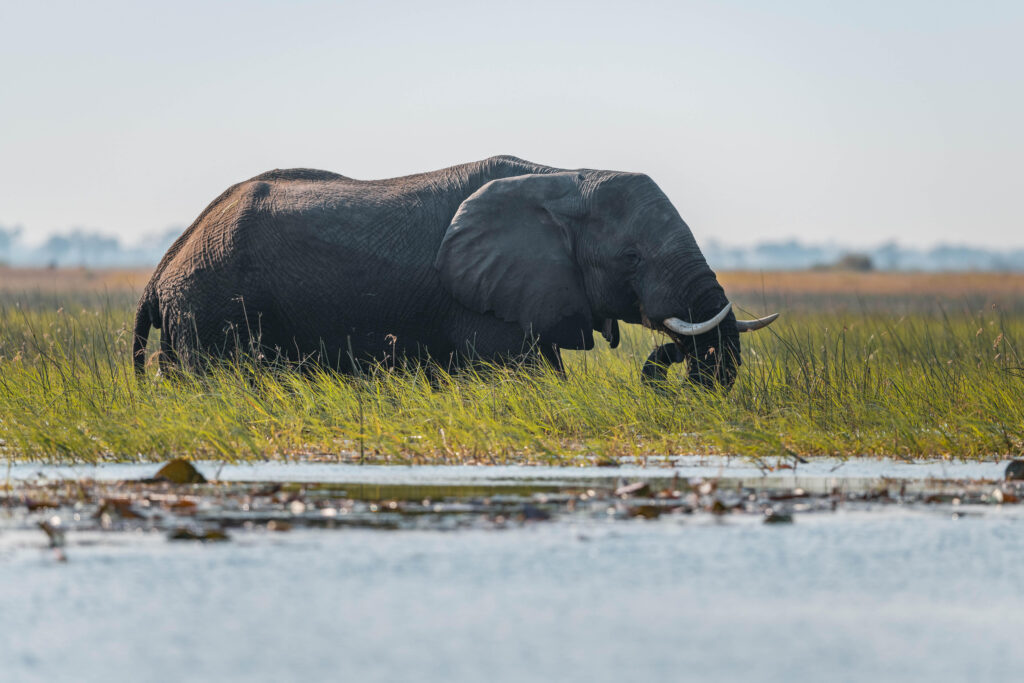
In a significant step towards environmental conservation, Angola has designated its first wetland of international importance under the Ramsar Convention on Wetlands treaty. This development not only highlights the need for greater attention to the nation's biodiversity but also showcases the effective collaboration between scientists and local communities to protect vital ecosystems.
The Importance of Lisima Lya Mwono
The newly designated site, known as Lisima Lya Mwono—which translates to "source of life" in the local Luchazi language—resides on a high-altitude plateau in eastern Angola. This wetland is crucial as it feeds some of Africa's major river systems, including the Congo and Zambezi basins, while providing fresh water for millions of people across seven nations. Moreover, it serves as a habitat for numerous endangered species, highlighting its ecological significance.
A Decade of Community Effort
The announcement of this Ramsar designation follows nearly a decade of dedicated scientific research and grassroots activism, significantly driven by Indigenous and local communities. Conservation experts recognize that the region's traditional ecological knowledge has played a vital role in preserving the Angolan Highlands Water Tower, ensuring its sustainability for future generations.
The Bigger Picture: Global Water Challenges
This designation comes at a critical time, as the United Nations has warned of the world entering an era of "Global Water Bankruptcy," where water scarcity threatens livelihoods and stability. Angola's bold move to protect its wetlands stands out as a hopeful initiative amidst growing environmental degradation globally. By committing to the Ramsar Convention, Angola signals to the international community its intent to balance ecological needs with social and economic development.
Challenges and Opportunities Ahead
While the Ramsar designation is a considerable achievement, it is essential to recognize that it does not automatically bring binding protections. Angola faces numerous challenges, including ongoing pressures from climate change, agricultural practices, and the legacy of its civil war, which still affects land use. However, the global recognition associated with Ramsar sites is expected to attract necessary conservation funding and support from international partners, enhancing local efforts.
The successful management of Lisima Lya Mwono will depend on sustaining the collaborative relationships between local communities and conservationists, which have proven indispensable in this undertaking. As the world looks for solutions to pressing environmental issues, Angola’s proactive approach provides a model of how local knowledge and commitment can lead to meaningful conservation efforts.

