Australia's Frogs Make a Triumphant Return to Wetlands!
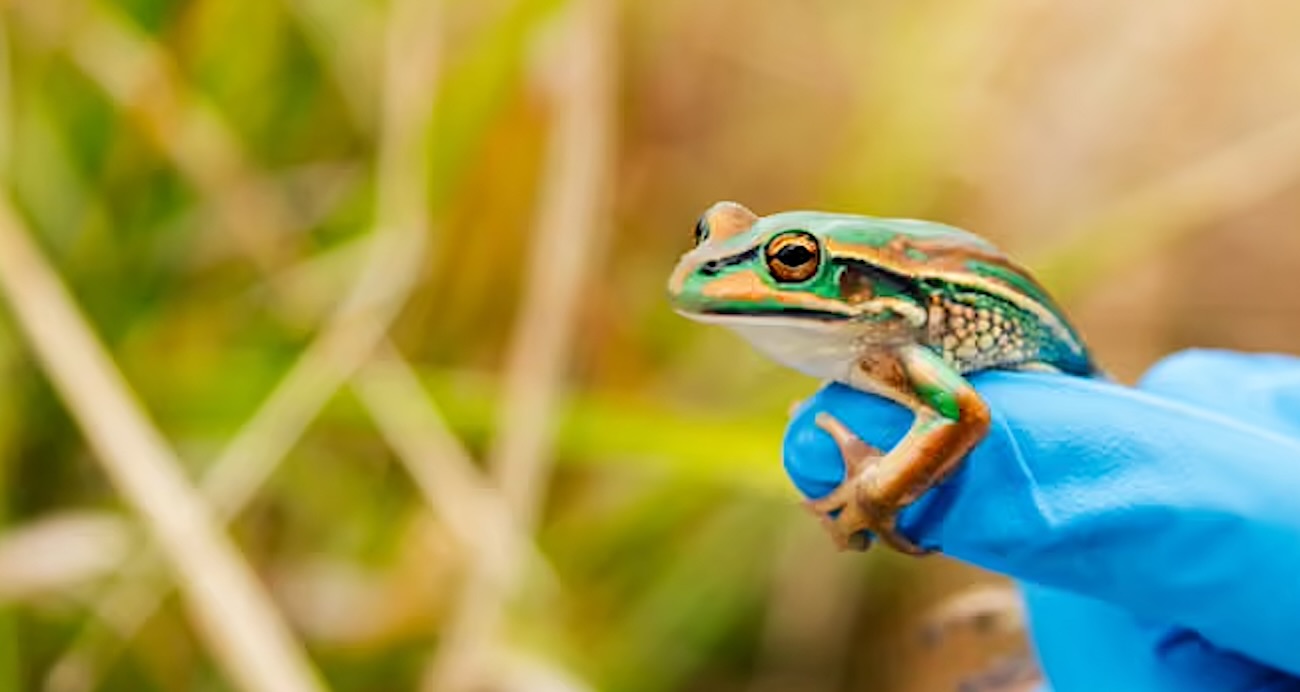
In a remarkable conservation effort, the green and golden bell frog is being reintroduced to the wetlands surrounding Canberra, Australia, after facing a devastating population collapse due to a deadly chytrid fungus. Scientists have committed to restoring this beautiful amphibian species to its natural habitat, providing hope amid the challenges of biodiversity loss.
A Hopeful Return
The green and golden bell frog, which once vanished from the Australian Capital Territory (ACT) around 1981, is being reintroduced in groups of 15 into carefully selected ponds and wetlands. Thanks to extensive breeding efforts in captivity, over 300 frogs are set to gain their freedom, immunized against the harmful effects of the chytrid fungus that has threatened amphibian populations globally.
Innovative Conservation Techniques
As part of this ambitious project, scientists have built what are known as "frog saunas," constructed from piles of black bricks coated with plastic sheets. These structures create ideal microhabitats for the frogs, maintaining temperatures that are lethal to the fungus while being comfortable for the amphibians. By combining innovative techniques with scientific knowledge, the reintroduction aims to ensure the survival of this species.
Positive Outlook for the Future
With the capacity to produce up to 8,000 eggs in a mating season, the future appears bright for the green and golden bell frog. The natural restoration efforts, including the establishment of frog spas—areas with warm, slightly saline water—provide additional safe havens for the frogs as they adapt to their new environment. The goal is to establish around 200 frogs in each of the 15 designated ponds, contributing significantly to the resurgence of this native species.
As Australia takes a stand for its endangered wildlife, the story of the green and golden bell frog serves as an inspiring reminder of the positive impact of targeted conservation efforts. The dedicated work of scientists at the University of Canberra and beyond showcases how innovative practices can revive species that have long been on the brink of extinction, proving that with commitment and creativity, hope can flourish in the face of adversity.

