Australia's Green and Golden Bell Frogs Make a Comeback: A Story of Hope
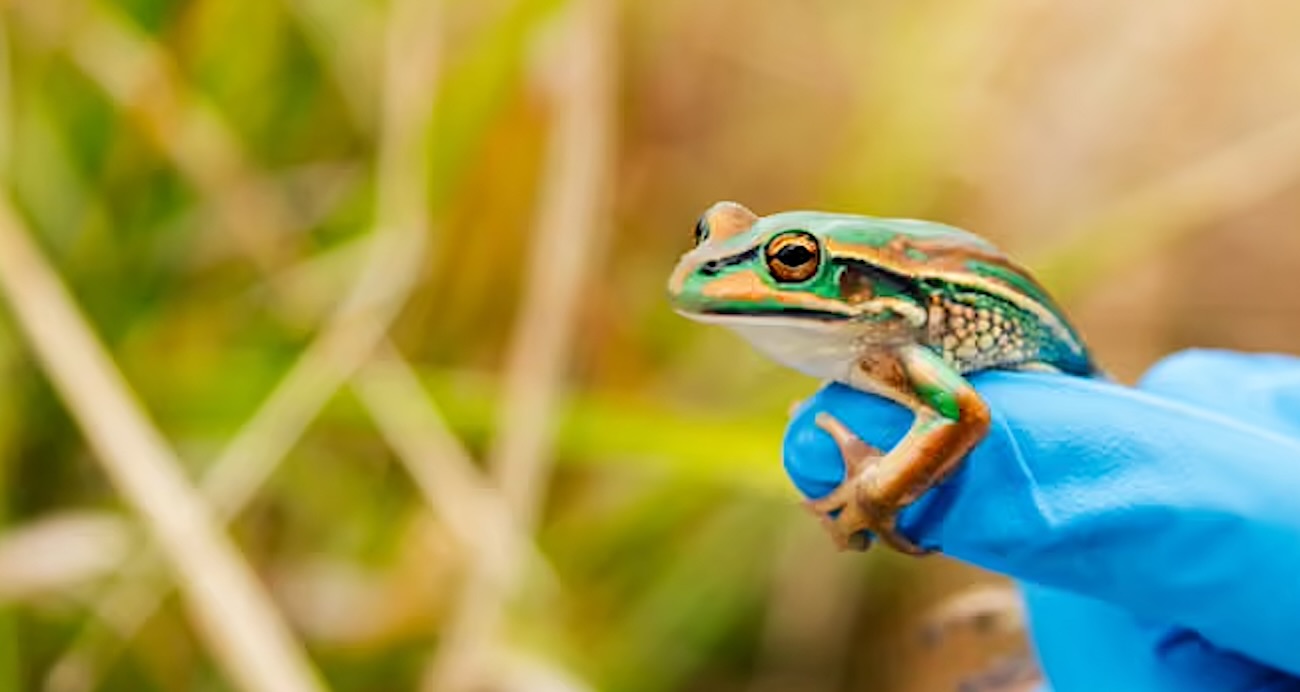
In an inspiring conservation effort, the iconic green and golden bell frog is making its return to the wetlands around Canberra, Australia. This beautiful amphibian, which experienced a dramatic population decline due to the deadly chytrid fungus, is now being reintroduced into its natural habitat after successful breeding programs in captivity.
Reviving a Native Species
The reintroduction process involves releasing groups of 15 frogs into strategically selected ponds and wetlands that have been enhanced with "frog saunas." These saunas, constructed from piles of black bricks and covered with rigid plastic sheets, provide shelter and necessary warmth for the frogs, creating a microclimate that is lethal to the chytrid fungus.
A New Hope for the Future
According to Associate Professor Simon Clulow from the University of Canberra, this initiative represents a significant turn in the fight against amphibian declines worldwide. The green and golden bell frog is a hopeful case, as it was believed to have gone extinct in the Australian Capital Territory by around 1981. The release of over 300 frogs is a thrilling moment for scientists and conservationists alike, akin to watching children leave home for the first time.
Building a Better Habitat
Throughout the Canberra region, 180 frog saunas have been established to support the reintroduced population, with plans to achieve a target of 200 frogs at each of the 15 designated ponds. Although the offspring of these frogs will still face challenges from the chytrid fungus, the innovative sauna design aims to increase their chances of survival.
Significance and Future Potential
This reintroduction effort is not just about saving a single species; it serves as a vital example of how tailored conservation strategies can lead to successful outcomes. By creating habitats that mimic the frogs' natural preferences and mitigating threats from disease, scientists are hopeful for a flourishing population of these stunning creatures in the years to come.

