Bangladesh’s Historic Election: A New Dawn for Democracy and Economic Revival?
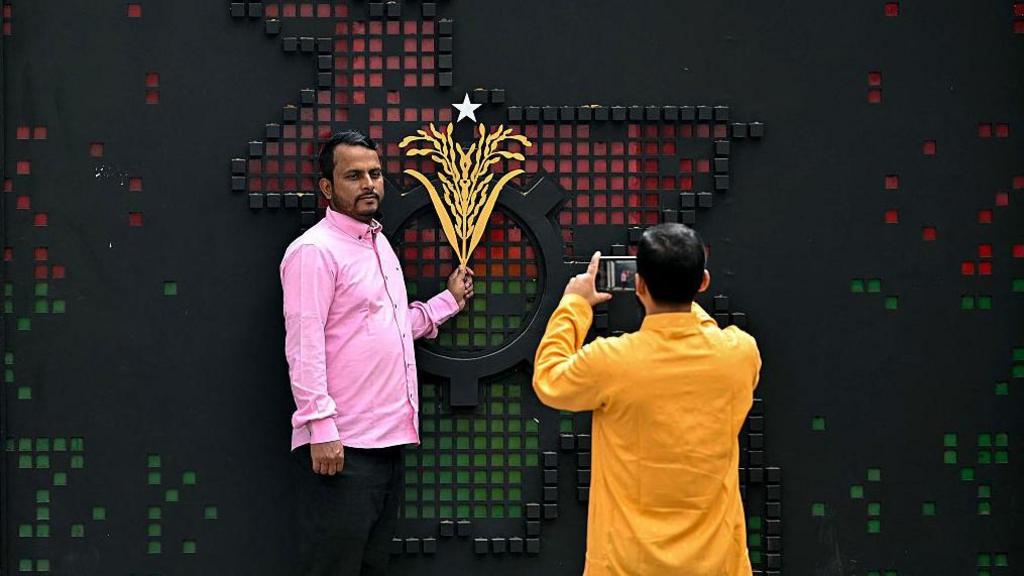
In a transformative election, the Bangladesh Nationalist Party (BNP) has achieved a decisive victory, securing more than two-thirds of the parliamentary seats. This marks a significant turning point for the nation's political landscape, especially for Tarique Rahman, who has returned from a 17-year exile to lead the party after a prolonged era of instability. The endorse of sweeping constitutional reforms signals a collective desire among voters for a more democratic governance structure.
A Shift Towards Stability
The election result is being hailed as a positive development, particularly by the garment industry—Bangladesh’s economic backbone, generating over 80% of the country's export earnings. Industry leaders view a single-party majority as essential for restoring stability, tackling corruption, and attracting fresh investments that have been stymied by recent political strife. Fazlee Shamim Ehsan, vice president of the knitwear exporters’ association, expressed optimism, stating that a credible election outcome can finally bring the stability businesses require.
Empowering the Youth
The youth of Bangladesh have passionately embraced this election, with many viewing it as their first genuine opportunity to shape their future. Young people, previously sidelined from significant political engagement, took to the streets in protest against the previous government, voicing their demand for equity and representation. Hafsa Yasmin, a young Bangladeshi, remarked that the student-led protests symbolized a crucial awakening among youths, inspiring them to partake actively in the political process.
A Vision for Economic Growth
Through its 2026 manifesto, the BNP is promising to transition Bangladesh into a $1 trillion economy by 2034, focusing on investments and reforms to boost economic diversification. Plans include initiatives to support small and medium enterprises, enhance agricultural productivity, and create a more favorable environment for global trade. By addressing systemic issues, the new government aims to stimulate growth and restore global confidence in Bangladesh as a competitive manufacturing hub.
International Support and Future Prospects
The international community, including the Chinese embassy, has recognized the successful election and expressed readiness to collaborate with the new government. This relationship could prove beneficial as Bangladesh seeks to bolster its economy following a challenging period marked by pandemic-related disruptions and political unrest. The garment sector, critical for employment and export revenue, is urged to refocus and innovate under the new leadership.
As Bangladesh prepares for this new chapter, the question remains: can the BNP galvanize support across the political spectrum to foster unity and restore investor confidence? The road ahead is undoubtedly challenging, but the fresh electoral mandate offers a glimmer of hope for a more stable, prosperous Bangladesh.

