Boulder Sets Stage for Economic Opportunity with New Festival Rental Housing Ordinance
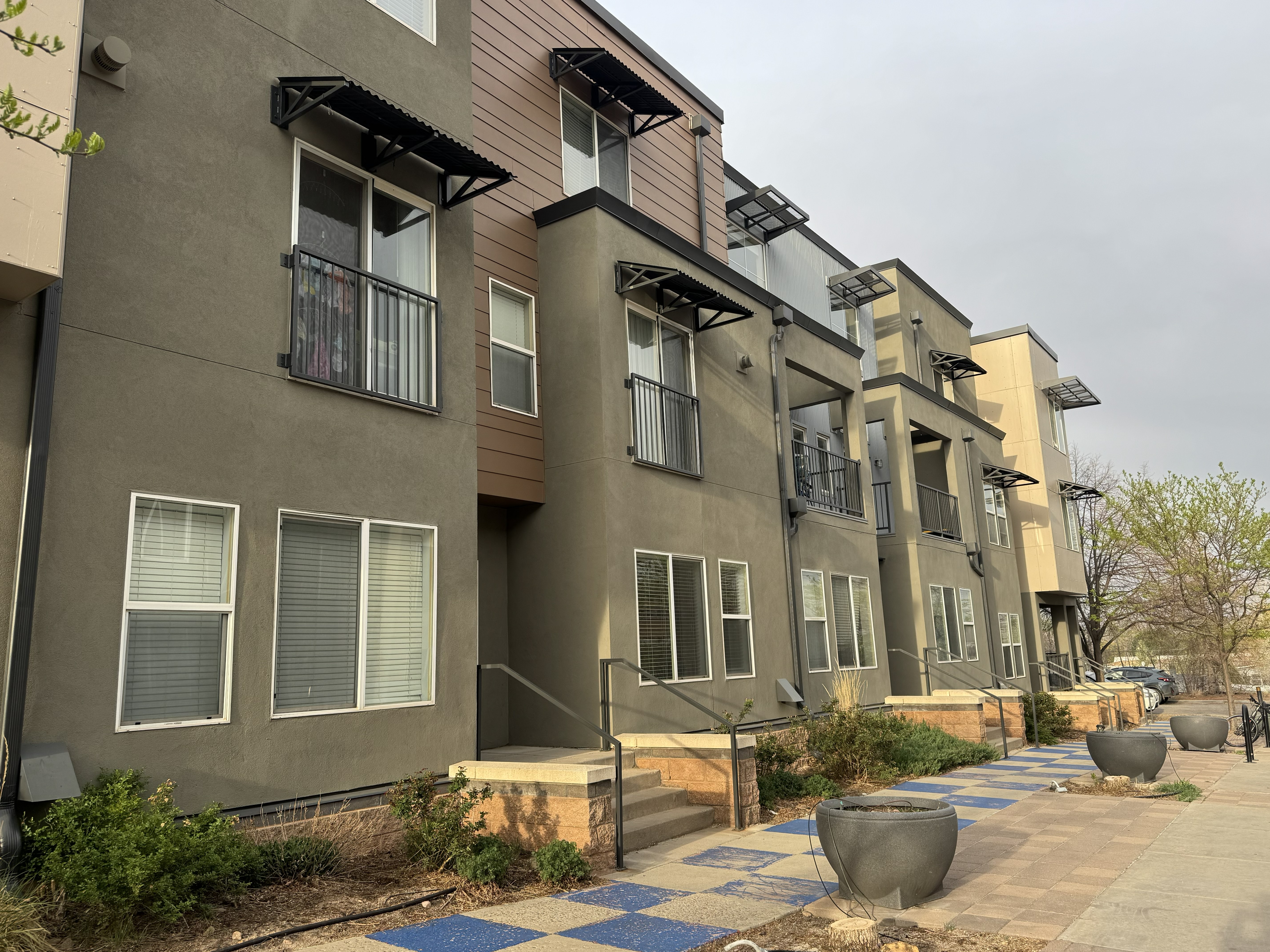
The city of Boulder has unveiled a progressive step towards enhancing rental housing accessibility during the renowned Sundance film festival next year. On Thursday, the city council approved a new ordinance allowing tenants to rent their spaces during the event, an initiative that promises to benefit both renters and property owners alike.
Expanding Housing Options for a Major Event
This newly approved ordinance marks a significant expansion of a festival lodging license that was put in place earlier in September. The license facilitates residents in renting out their homes during special occasions, and the recent decision adds further flexibility by encompassing more types of properties—ranging from second homes to Accessory Dwelling Units (ADUs) and corporate rental housing.
Jill Grano, the statewide director of housing for Sundance, highlighted that this change opens doors for tenants, as they too will have the opportunity to rent out their homes, given they have landlord approval. This could not only provide short-term economic benefits for locals but also help ensure a high standard of hospitality during Sundance.
A Boost to Local Economy and Community Engagement
With the Sundance festival anticipated to draw around 90,000 attendees, one-third of whom are expected from out-of-state, Boulder acknowledges the need for more lodging beyond its existing 2,900 hotel rooms. The intention behind this ordinance is to substantially increase available housing options to accommodate visitors, thus fostering economic growth and community interaction.
“We really want the economic benefits of Sundance to apply to everyone in our city,” Grano commented. This sentiment reflects a commitment to not only increasing the housing stock but also encouraging visitors to stay within the city, thereby further stimulating local businesses and services.
Regulations and Future Prospects
The ordinance, however, comes with its own set of regulations. Renting under the festival lodging license is limited to ten days during the festival, with a few additional days before and after the event. The fee for tenants is set at $75, while property owners will incur a higher cost for a longer license duration of four years.
While there are pending discussions about how landlords and tenants might split the profits gained from these rentals, the city has set a precedent that other municipalities can learn from. As Boulder gears up to issue these festival rental licenses by May, one can only hope that this initiative not only paves the way for new economic opportunities but also fosters a stronger sense of community spirit during one of the most vibrant events of the year.

