Breaking News: U.S.-Iran Ceasefire Brings Hope for Reopening the Strait of Hormuz
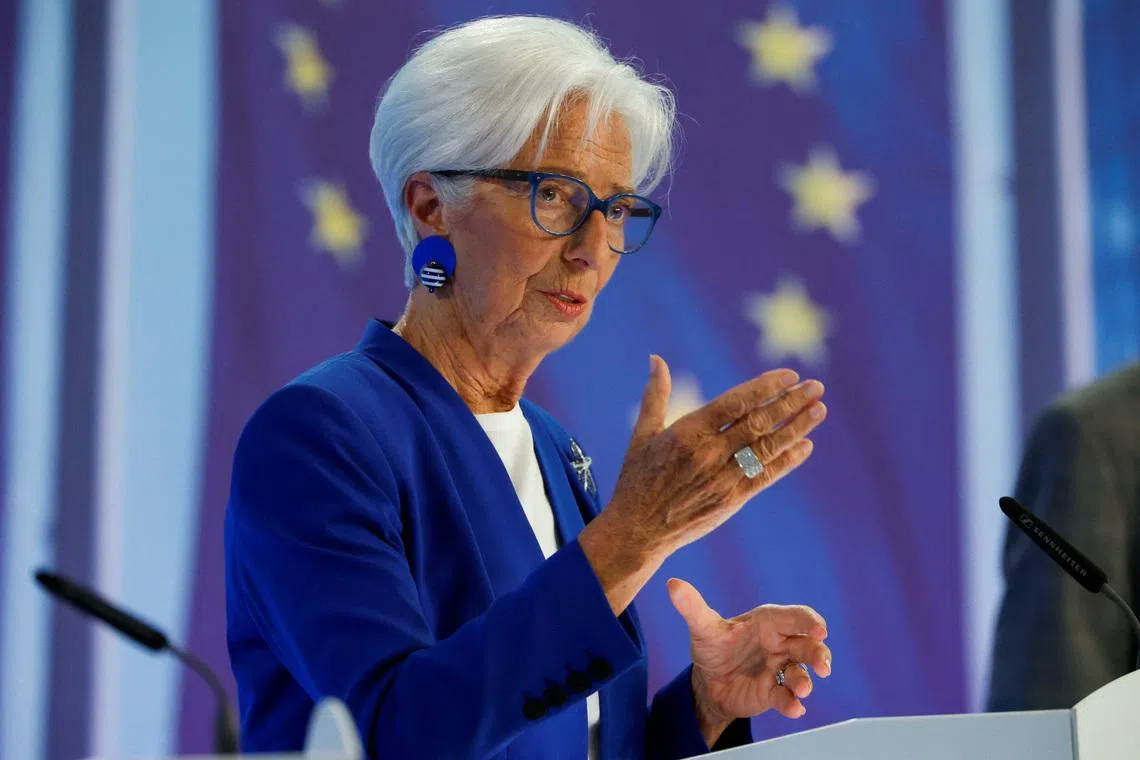
In a significant development on the global stage, the announcement of a ceasefire between the United States and Iran has elicited a positive reaction from European Central Bank (ECB) President Christine Lagarde. This preliminary agreement is seen as a crucial step toward reopening the Strait of Hormuz, a vital corridor for energy shipments that has been heavily impacted by recent conflicts.
Implications for Global Energy Markets
The ceasefire news has already affected oil prices, prompting a downward trend that could indicate relief for markets in the near term. As President Lagarde highlighted, the potential reopening of this key shipping lane could stabilize energy supplies, impacting inflationary pressures across the eurozone.
Lagarde expressed cautious optimism, stating: "If this news is confirmed by developments in the coming days... it is good news. We can only welcome it." This sentiment was echoed by other financial analysts, who noted that investors are beginning to view this agreement as a promising sign for a longer-term resolution to the ongoing conflict.
Challenges Ahead
Despite the positive tone, some ECB officials, including Joachim Nagel, warned that immediate impacts on eurozone inflation may still be distant. He cautioned that while the Strait of Hormuz may reopen soon if the ceasefire holds, it will take time for oil supplies to return to their pre-conflict levels. "No relief is in sight for the foreseeable future," Nagel remarked.
In summary, while the agreement presents hope for easing geopolitical tensions and stabilizing energy markets, the path to economic recovery remains fraught with challenges. Nonetheless, the mere possibility of a ceasefire offers a glimmer of optimism for nations relying on an uninterrupted energy supply, paving the way for a potential economic turnaround in the near future.

