
Breaking the Dress Code: Embracing Comfort in the Heat
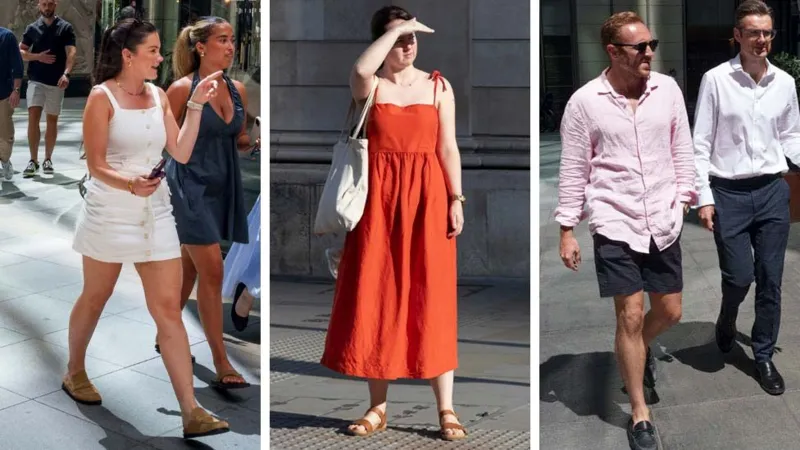
As summer temperatures rise, conversations around workplace dress codes become increasingly relevant. The return of balmy days has ignited a spirited discussion on appropriate work attire, especially in light of the recent heatwaves. Encouragingly, many are advocating for a more relaxed approach that prioritizes comfort without sacrificing professionalism.
A Shift Towards Comfort
A surprising shift in attitudes is captured in a recent poll conducted by Ipsos, revealing that 62% of adults believe it's acceptable for men to wear shorts to work during hot weather. This sentiment extends to women, with 63% of respondents expressing that shorts are equally appropriate for their attire. Such statistics indicate an evolving mindset towards dressing for all seasons, fostering a culture where comfort can coexist with professionalism.
The Right Way to Wear Shorts
Experts in fashion have weighed in on this emerging trend, suggesting that the key to pulling off summer shorts lies in tailoring. Designer Amanda Wakeley emphasizes the importance of longer, tailored shorts complemented by crisp shirts or lightweight blazers. This guidance reinforces the idea that, even in the heat, one can present a polished image while prioritizing personal comfort.
Tips for Summer Office Attire
Stylist Clare Chambers echoes this sentiment, offering valuable advice for both men and women. She suggests that shorts should ideally sit around the kneecap and pairs well with untucked shirts for a relaxed yet refined look. Sandals, too, can find their way into the office, provided they are clean and part of a considered outfit. The subtle distinctions between casual and professional attire become crucial during the warm months, but they also open up opportunities for individual expression.
Encouraging Flexibility at Work
The ongoing discussion around dress codes raises broader questions regarding employee comfort and wellbeing in extreme heat. Employment lawyer Sarah Tahamtani highlights the necessity for employers to revisit their dress policies during heatwaves, advocating for flexibility that considers the well-being of all employees. This stance is particularly significant for those with medical conditions aggravated by high temperatures, reminding employers of their responsibilities to create a comfortable work environment.
Indeed, as climate change intensifies, the dialogue surrounding office attire will likely continue to evolve. However, the remarkable shift towards a more inclusive and understanding approach to summer workwear is a positive step forward. Employees are increasingly recognized not just for their output, but for their comfort and individuality, paving the way for a more dynamic, adaptable workplace culture.




