Breakthrough Gene Therapy for Huntington’s Disease Offers New Hope
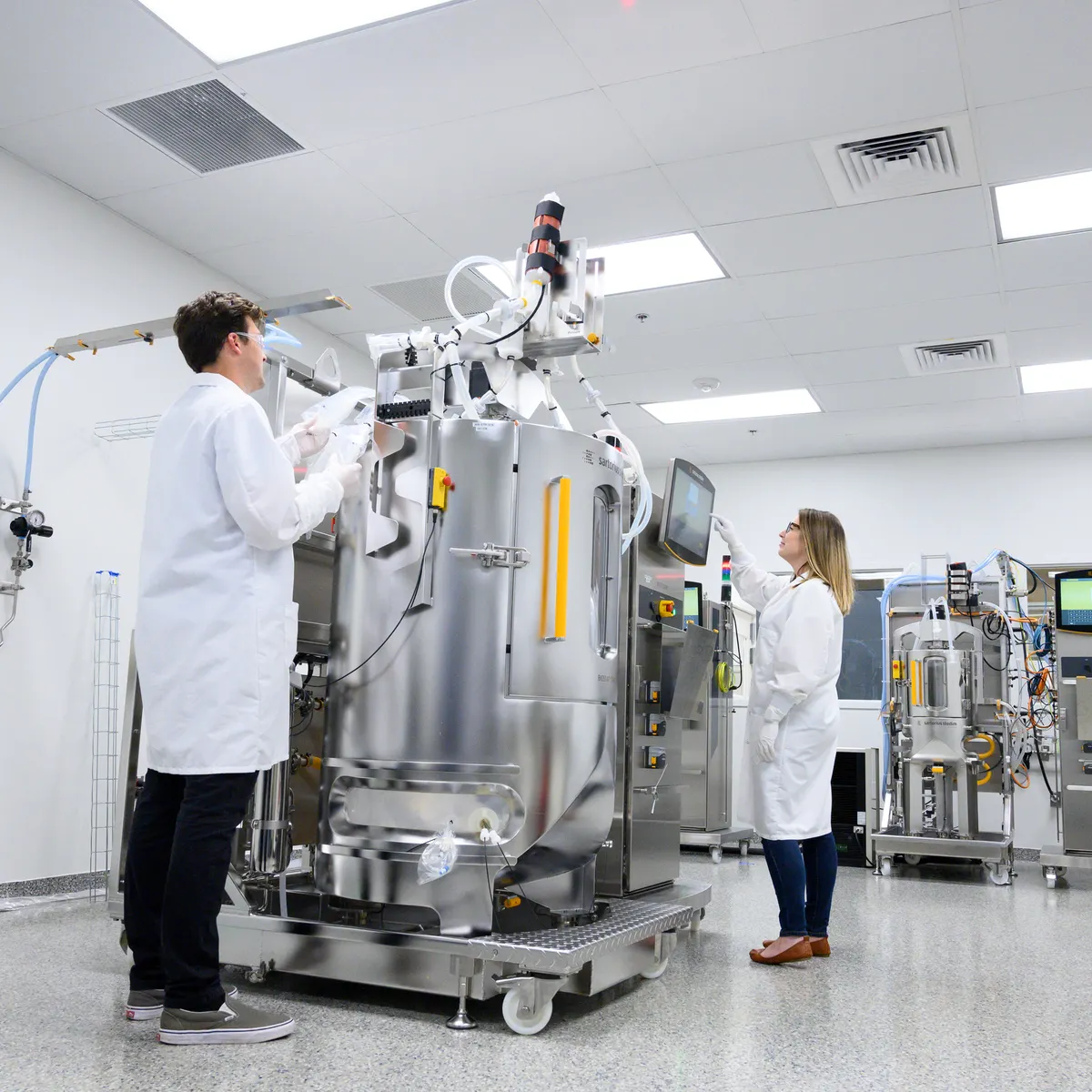
The landscape of treatment for Huntington’s disease has taken a promising turn as UniQure prepares to submit a marketing application for its innovative gene therapy, AMT-130, in the U.K. This submission, set to take place later this year, follows positive discussions with drug regulators and comes after a turbulent period for the therapy's potential approval in the U.S.
UniQure's Vision for AMT-130
UniQure's CEO, Matt Kapusta, expressed optimism regarding this significant step, emphasizing the importance it holds for the Huntington’s disease community. AMT-130 aims to silence a gene implicated in producing a harmful protein linked to nerve damage, and early trial data suggests it may slow the progression of this devastating neurodegenerative disorder. This therapy stands out as it offers a potential path toward treatment rather than merely managing symptoms.
Regulatory Challenges and Future Prospects
Despite hurdles, including a recent demand from the FDA for additional clinical trials, UniQure remains committed to working closely with regulators. The upcoming discussions with the FDA in the second quarter may pave the way for a clearer path forward. This renewed focus on the U.K. filing could symbolize a shift in momentum for UniQure, invigorating hopes not just among the company and investors but also within the Huntington’s disease community, which has long awaited more than just symptomatic relief.
Market Response and Analyst Insights
The news has already had a positive impact on UniQure’s stock, which saw an increase of over 20%. Analysts view this development favorably, noting it may also influence the FDA’s approach to rare disease treatments in the U.S., particularly under growing public and political pressure to adapt to innovative therapies.
As the situation unfolds, the hopes for AMT-130 highlight a critical moment in the struggle against Huntington’s disease. It emphasizes the importance of perseverance in drug development and the potential for groundbreaking therapies to emerge from challenging regulatory landscapes.

