Breakthrough Treatment Offers New Hope for Lupus Patients
An experimental treatment that resets the immune system has shown remarkable potential in inducing remission in lupus patients during early trials in the UK. This innovative approach could pave the way for treatments of other autoimmune disorders, such as multiple sclerosis and rheumatoid arthritis.
Transformative Experiences of Patients
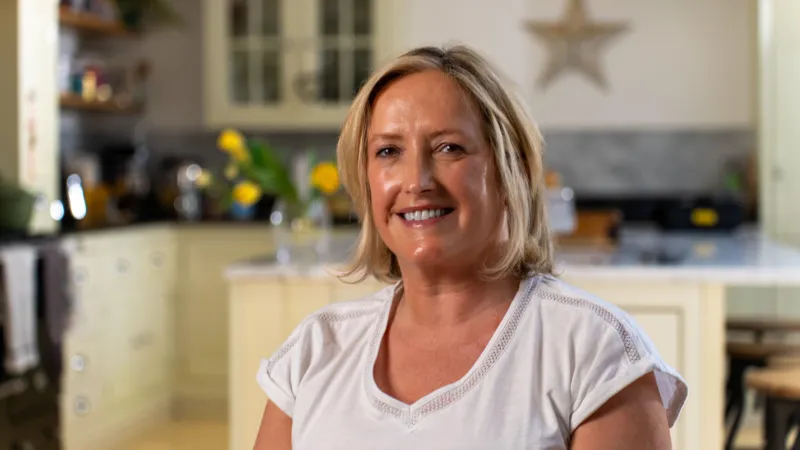
One of the trial participants, Katie Tinkler, has shared her extraordinary journey after undergoing the treatment. Diagnosed with lupus 30 years ago, Katie faced severe physical limitations, struggling even to engage in daily activities with her children. However, after receiving the groundbreaking therapy, she expressed that she has "never been this good," now able to enjoy skiing and live free from lupus medication.
The experimental treatment involves engineering T cells from the patient’s body to target and destroy rogue B cells that attack the body, effectively resetting the immune system. This innovative methodology represents a significant advancement in the treatment of autoimmune diseases, offering patients like Katie renewed hope and vitality.
The Path to Recovery
Katie's treatment, carried out at University College London Hospitals, was not without risks. The process required chemotherapy and deep personal courage, as patients are made aware that there might be life-threatening risks. Yet, the outcome for Katie has been life-altering; her previous debilitating symptoms have disappeared, allowing her to envision an active future filled with possibilities.
Broader Implications for Autoimmune Diseases
The promising results from the trial, with five out of six patients remaining in remission, highlight a glimmer of hope for many suffering from autoimmune disorders. Dr. Maria Leandro, a consultant rheumatologist involved in the study, pointed out that enduring remission could signify a major breakthrough in lupus treatment.
As researchers explore the potential of CAR-T cell therapy to target various autoimmune diseases, conditions like multiple sclerosis and rheumatoid arthritis may also benefit from this revolutionary treatment approach. The excitement from the medical community is palpable, with many eager to see how this therapy evolves and contributes to the larger fight against autoimmune diseases.
Katie remains hopeful about her future, stating, "I want to climb mountains, I'd love to do Kilimanjaro, I'd love to do a triathlon again." Her spirit of resilience serves not just as an inspiration to others battling lupus, but also reflects the transformative impact of innovative medical treatments on lives once constrained by chronic illness.

