
Brussels Breathes Easier: Air Quality Makes Remarkable Strides
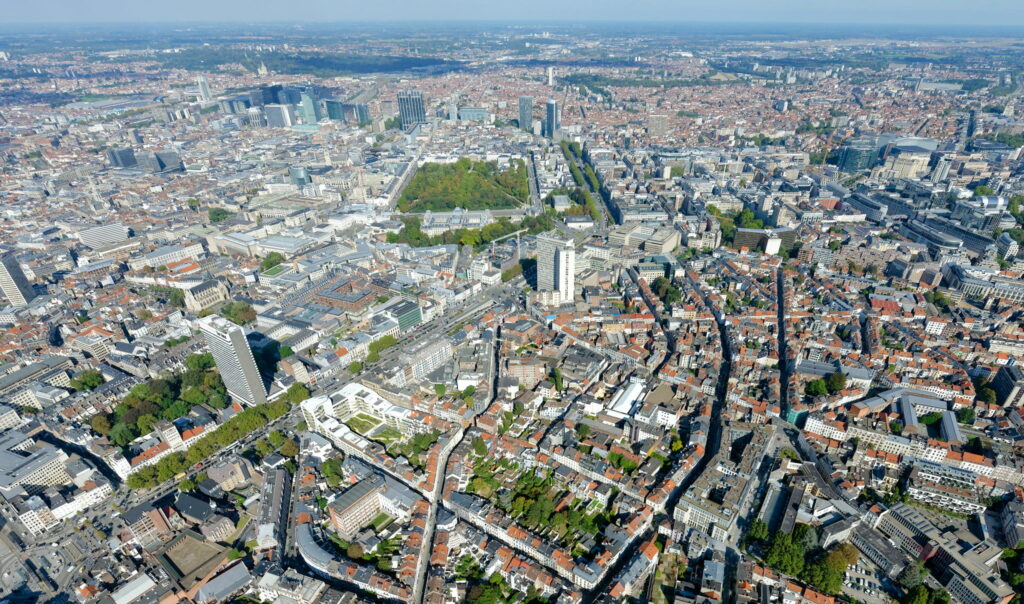
The Brussels-Capital Region is witnessing a significant improvement in air quality, as outlined in the latest annual report from Brussels Environment. The report reveals that all current European air pollution limits were met in 2025, showcasing the positive impact of local policies aimed at promoting cleaner mobility and energy transition.
Policies Deliver Real Results
Brussels Secretary of State for the Environment and Climate, Ans Persoons, praised these findings, emphasizing the effectiveness of the region's ambitious policies. "The air Brussels residents breathe is steadily improving," he noted. This progress is particularly encouraging for children's health, older adults, and vulnerable groups.
A Promising Future
The report highlights that several of the stricter European air quality standards, effective in 2030, are already being achieved. This forward-looking compliance indicates a strong commitment to continued improvements in air health for the region's inhabitants. Monitoring stations across the capital confirm that current and future standards for fine particulate matter, ozone, sulfur dioxide, and carbon monoxide are being met.
Challenges Remain
Despite these advancements, challenges persist, particularly with nitrogen dioxide levels primarily linked to road traffic. However, the consistent compliance with the European annual limit for the sixth consecutive year indicates a positive trend. The decline in levels of black carbon from diesel engines further underscores a successful transition towards cleaner air.
As Brussels Environment continues to monitor air quality, the expectations of achieving even stricter World Health Organization recommendations in the future remain a goal. The ongoing commitment by local authorities reflects a proactive stance towards public health and environmental visibility.




