
Building a New Era: Trump's Controversial Ballroom Project Moves Forward
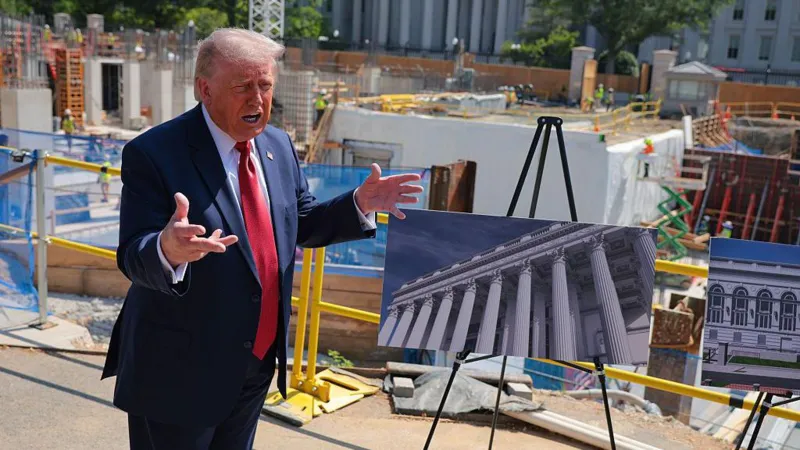
In the heart of Washington, D.C., a significant project is underway that aims to reshape the iconic White House. President Donald Trump has made a compelling case for the construction of a $400 million ballroom at the White House, which the administration argues is vital for national security and community hosting needs. This ambitious project, currently 65% complete, stands at the center of an ongoing legal battle but also represents a larger vision for modernizing the nation's capital.
A Vision for National Security
Central to the administration's argument is the need for a large event space within the White House. U.S. Solicitor General D John Sauer contends that the ballroom is not merely an aesthetic upgrade but an essential facility that supports national security by providing a versatile space for both formal events and emergencies. The project also integrates military components, including bomb shelters and medical treatment centers, thereby enhancing the safety infrastructure of the presidential residence.
Private Funding for Public Benefit
In a notable twist, the Trump administration asserts that the ballroom's construction is fully funded by private corporate donations, removing the necessity for Congressional approval. This approach raises questions about the intersection of private funds and public landmarks but also opens doors to innovative funding strategies for government projects aimed at improving public spaces.
Reshaping Washington's Landscape
The ballroom project is part of a broader initiative led by the Trump administration to remodel Washington's cityscape. Other notable efforts include the ongoing renovation of the Lincoln Memorial Reflecting Pool and the proposed "Arc de Trump" inspired by the famous Arc de Triomphe in Paris. These initiatives aim to enhance the historical significance and architectural beauty of the capital, reflecting a determination to make impactful changes in the nation's center.
This ambitious ballroom project—despite the legal reservations—stands as a testament to the Trump administration's commitment to reshaping the public spaces of Washington, D.C. While the discussions around legality and public input will continue, the vision for a modernized and secure presidential residence signals a forward-looking approach to governance and urban development.




