California Takes Historic Steps to Protect Mountain Lions
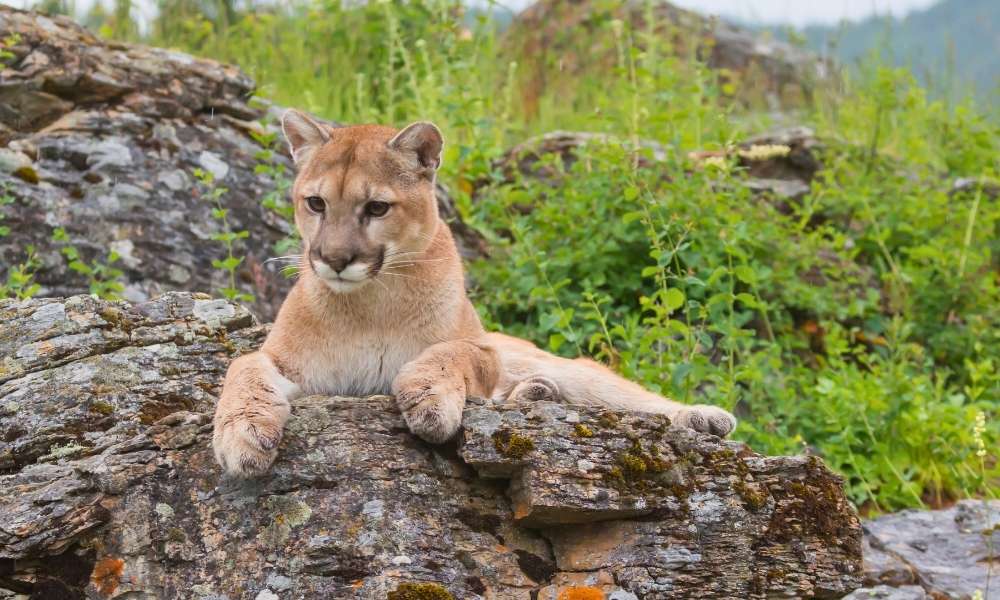
In a landmark decision that marks a win for wildlife conservation, the California Fish and Game Commission has voted unanimously to classify several populations of mountain lions in central and southern California as threatened under the California Endangered Species Act (CESA). This protective measure is crucial as it aims to safeguard the habitats and future of these majestic big cats.
A Step Towards Conservation
The newly designated regions, which span from the Santa Cruz Mountains to various mountain ranges along the Central Coast, will now benefit from a structured conservation strategy. California wildlife officials estimate that approximately 1,400 mountain lions inhabit these areas, representing a significant portion of the state’s population. The listing will enforce considerations of how development impacts these big cats and their habitats, ultimately fostering improved ecological planning.
Combatting Challenges
Mountain lions face numerous threats including habitat fragmentation, vehicle strikes, and the effects of climate change. The new designation under CESA not only recognizes these challenges but also sets in motion efforts to enhance habitat connectivity through the establishment of wildlife crossings and protected corridors. These measures will assist in ensuring safe migratory paths for the lions, crucial for their survival given the increasingly urbanized landscape.
The Road Ahead
Conservation advocates emphasize the importance of addressing the human-driven pressures that have led to the vulnerable status of these populations. With mounting evidence that the genetic diversity of certain groups has reached perilously low levels, the measures taken by the California Fish and Game Commission signal a commitment to preserving both mountain lions and the ecological balance they uphold.
This vote demonstrates a proactive approach towards wildlife management and heralds a potential shift towards coexistence in the face of urban development. By protecting one of California's most iconic species, the state is setting a precedent for the kind of comprehensive conservation efforts that are necessary to maintain biodiversity in an era of significant environmental change.

