
Creating Inclusive Workplaces: A Path to Psychological Safety
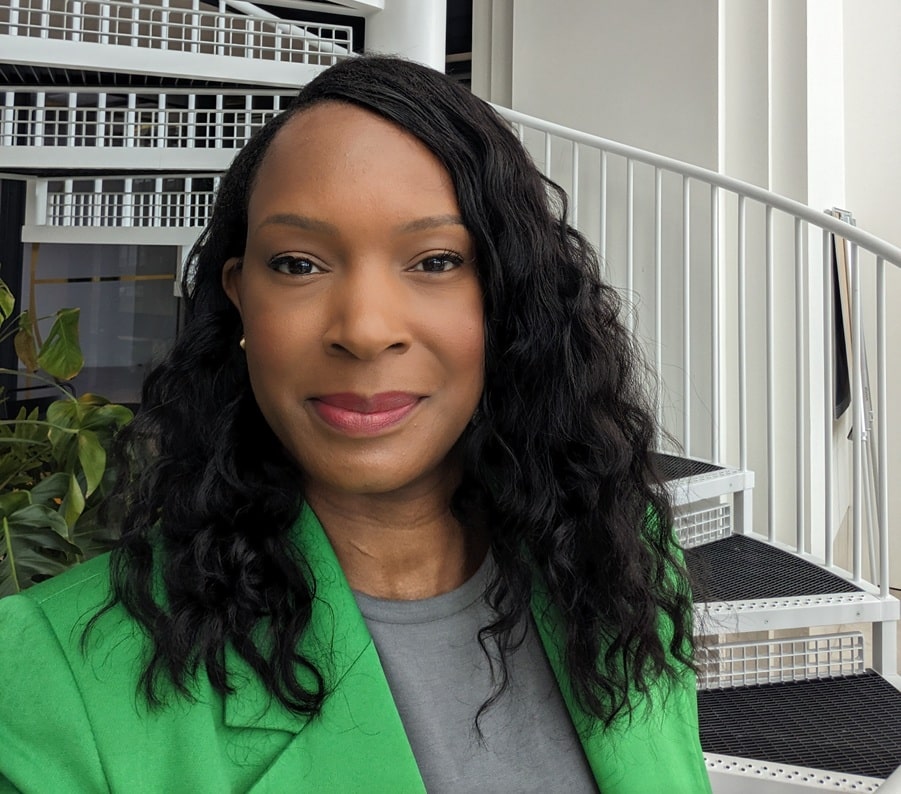
In a recent Lunch and Learn session, professionals in the mortgage industry gathered to discuss a vital topic: psychological safety in the workplace. Led by Atlyn Forde, a culture and inclusion consultant from Pepper Money, the session highlighted how fostering an inclusive environment can significantly enhance both individual contributions and overall organizational success.
The Importance of Psychological Safety
Psychological safety, as defined during the session, is the ability for individuals to be themselves and share their ideas without fear of judgment or retribution. Shane Chawatama, sales director at Knowledge Bank, emphasized that creating a workplace where employees feel heard encourages open communication and innovation. When team members are free to express themselves, organizations can unlock new opportunities for growth and development.
Creating Connections Amidst Growth
The discussion also touched on the challenges of maintaining connections as businesses expand. Sharing personal experiences and stories can help bridge the gap, encouraging relationships that foster trust and open dialogue. This practice not only strengthens the team but ensures that all voices are valued, fostering a sense of belonging for every employee.
Everyday Behaviors Matter
Participants noted how small actions can significantly impact an individual’s confidence and sense of inclusion. Simple gestures, like ensuring everyone is heard in meetings or checking in on colleagues privately, can encourage a supportive atmosphere. Jemel Edwards, senior sales executive at AE3 Media, pointed out that our interactions often carry unintended consequences, making it essential to be mindful of how we communicate.
Lessons in Listening and Acting
Another critical theme was the need for genuine engagement with diverse experiences. Siobhan Moran, corporate account manager at HSBC Intermediaries, highlighted that listening to others' experiences is vital for understanding the challenges they face. It is not enough to have policies in place; organizations must implement actions that reflect their commitment to equity and inclusion, particularly in leadership and development opportunities.
Embracing Diversity and Inclusion
As the conversation progressed, the importance of representation in the workplace was underscored. Hazvi Chimbetete from John Charcol shared insights on how a lack of diversity can hinder inclusiveness, affecting the well-being and confidence of individuals in the industry. A diverse workforce not only enriches the workplace culture but also enhances businesses' ability to connect with a broader customer base.
The session concluded with a call to action for all employees to contribute to a culture where everyone feels safe and respected. By making small changes in our everyday interactions and championing open conversations, we can pave the way for a more inclusive, dynamic, and productive work environment.


