Discover How NASA's New Maps Highlight Major Progress in Reducing Light Pollution
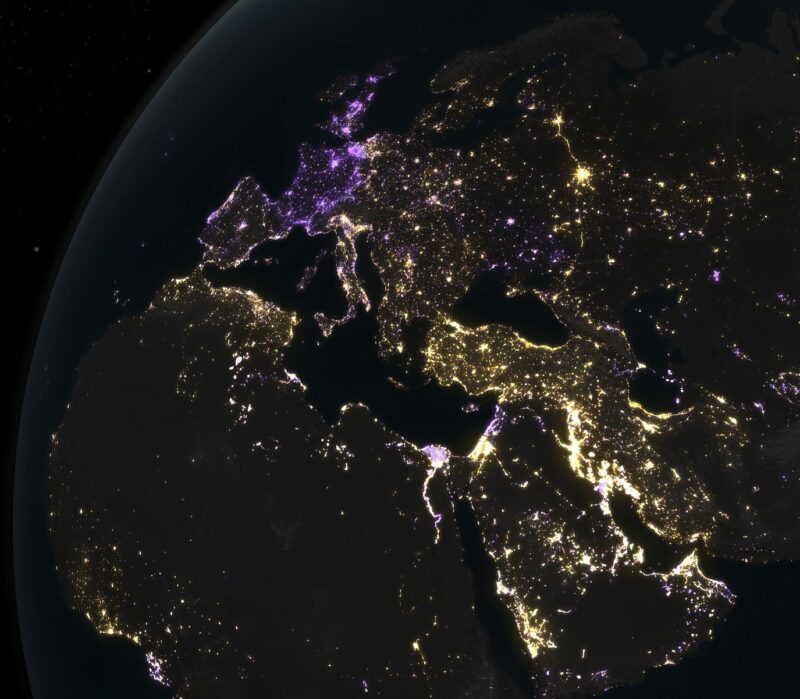
In a world increasingly illuminated by artificial lights, a recent update from NASA provides a glimmer of hope. The space agency has released groundbreaking global maps illustrating significant changes in light pollution from 2014 to 2022, revealing areas where nighttime lighting has notably decreased.
A Bright Future Ahead
The maps are part of NASA's ambitious Black Marble project, which utilizes imagery captured by three different satellites to document Earth at night. Among the positive highlights, the new data indicates that several regions in Europe are experiencing a decrease in light pollution. Notably, France has seen a remarkable 33% reduction in nighttime brightness, a direct result of energy conservation measures and the adoption of LED lighting.
Global Impact and Local Actions
Other countries, such as the United Kingdom and the Netherlands, have also made strides in dimming their nighttime glow, with reductions of 22% and 21% respectively. These figures suggest that organized efforts towards sustainability and energy efficiency can lead to meaningful change. NASA’s Earth Observatory emphasizes the potential for long-term improvements, pushing the narrative that light pollution is reversible and encourages communities to take action.
What You Can Do
While global initiatives are crucial, individual actions can contribute to the fight against light pollution. By limiting outdoor lighting, directing lights downward, choosing warm-colored LEDs, and implementing motion sensors, residents can help reduce their own impact on nighttime illumination. Resources such as Dark Sky International provide valuable information on how to further limit light pollution.
Conclusion
The recent findings from NASA deliver a positive message: decreasing light pollution is not only possible but is already happening in certain areas. As communities and individuals become more aware of their lighting habits, we can collectively move towards a darker and more natural night sky, benefiting both the environment and our quality of life.

