Discover the Future: A Revolution in Urban Living Awaits
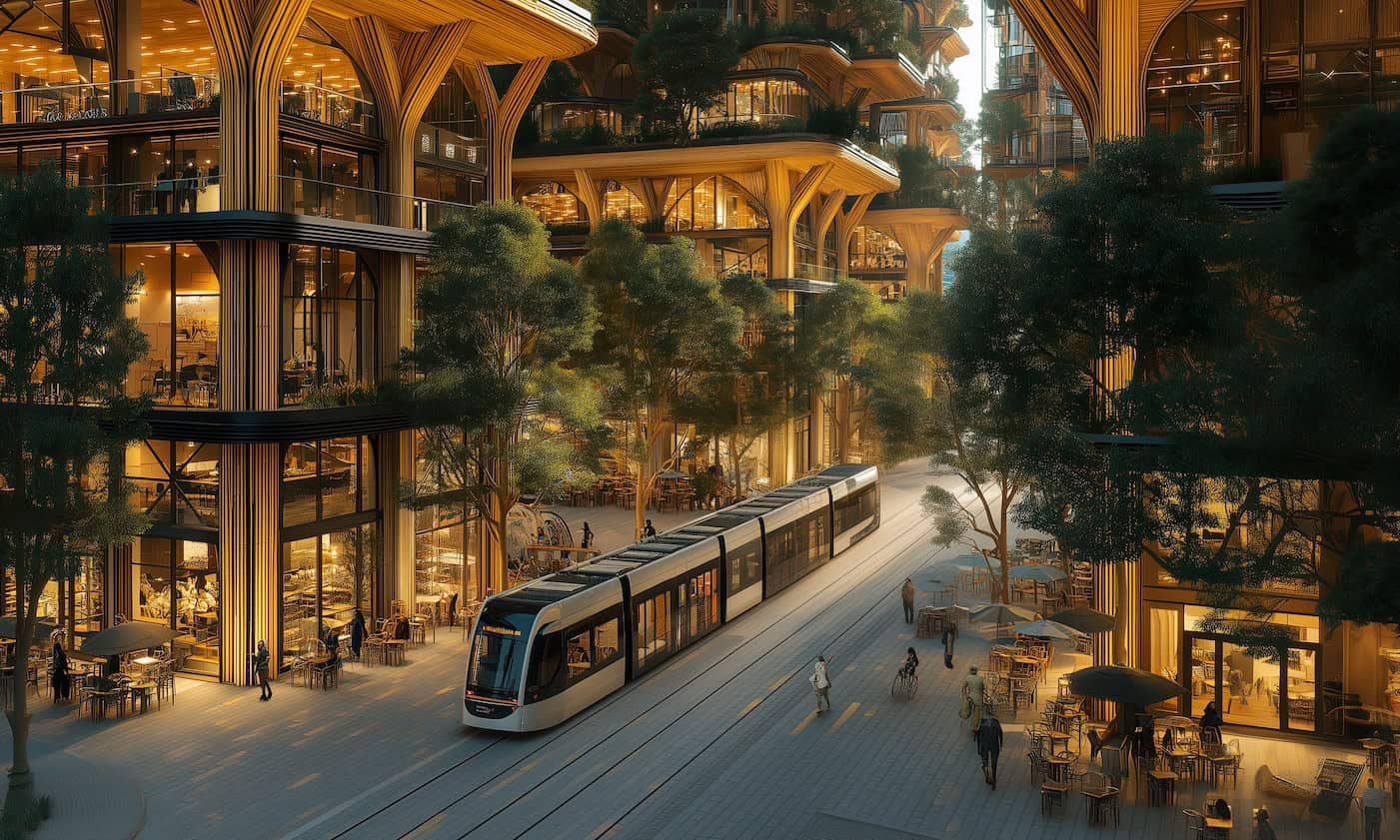
A transformative vision for urban living that prioritizes sustainability, livability, and resilience is emerging. This vision is epitomized by the ambitious project known as Forest City 1, which promises to redefine what metropolitan areas can look like in the not-so-distant future.
A Green, Smart City
Forest City 1 is designed to harmonize with nature while also incorporating cutting-edge technology. Imagine wooden towers adorned with greenery, autonomous robovans gliding silently down dedicated lanes, and every building generating its own energy through solar panels and micro wind systems. This city represents a significant departure from traditional urban designs, where glass and concrete dominate.
Community Focus and Affordability
At the heart of this innovative urban model is the Community Land Trust, a system designed to make housing affordable by separating land ownership from property ownership. This initiative aims to empower local residents in managing their community's resources, directly addressing affordability issues that plague many urban areas. Since the city's establishment in 2032, it has supported a million residents while softening national housing prices, making it a beacon of hope for those priced out of conventional housing markets.
Global Influences and Local Acts
The success of such an urban model has drawn international interest, illustrating a broader trend toward sustainable city planning. From Paris' pedestrianized school streets, which enhance community engagement and improve air quality, to Rotterdam's innovative 'water squares' that cleverly manage stormwater while providing public amenities, cities around the world are learning from each other. These examples highlight that urban transformation is not a distant dream but an attainable reality.
The Road Ahead
With growing momentum and support from both investors and local governments, Forest City 1 is poised to set a precedent for future city developments. The ambition to break ground before the end of the current government further underscores the urgency and importance of reimagining urban environments. This is not merely a lifestyle change; it represents a necessary evolution in how we approach living spaces in light of climate change, urban congestion, and residents' needs.
As cities like Forest City 1 start becoming a reality, they reflect a collective commitment to envision a sustainable and flourishing future. This paradigm of urban living might just inspire other metropolitan areas to take the leap toward a model where people, nature, and technology coexist harmoniously.

