Discover the Future: A Vision for Urban Living Unlike Any Other
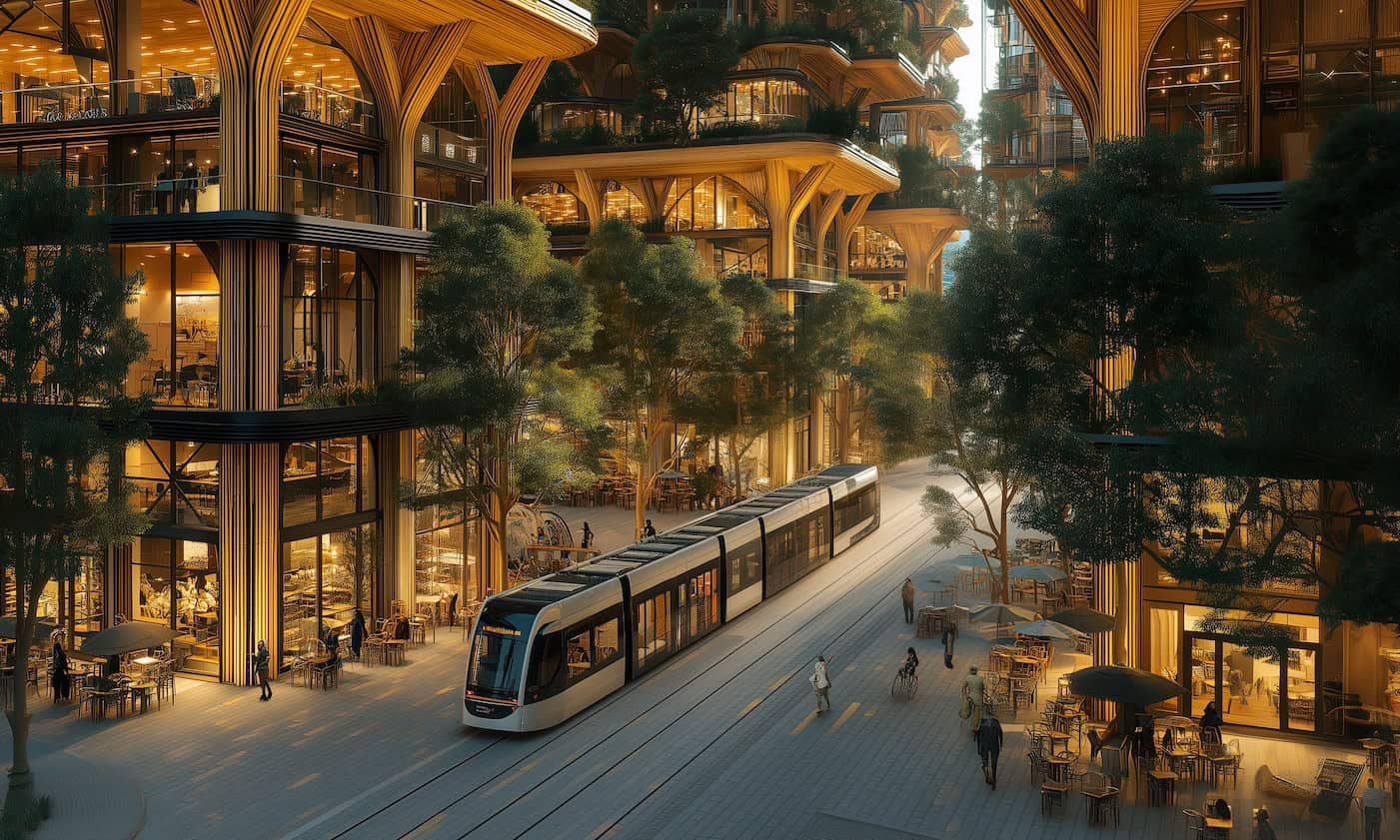
A groundbreaking vision for urban living is emerging, driven by the need for sustainable, livable, and resilient cities. This new idea promises to reshape how metropolitan areas function and feel. Forest City 1, the first of its kind in the UK in over fifty years, is being hailed as a revolutionary project aimed at enhancing the quality of urban life while addressing pressing issues like housing affordability and environmental sustainability.
Innovative Design Meets Sustainability
Imagine wooden towers rising above lush green spaces, blending seamlessly with nature while utilizing advanced technology for energy efficiency. In this vision, every building not only generates its own energy through integrated solar panels and micro wind systems but also recycles water. The result is a tranquil urban oasis where autonomous transport quietly connects neighborhoods, free from the chaos of traditional traffic.
A Community-Centric Approach
One of the most significant aspects of Forest City 1 is its focus on community ownership. The project employs a Community Land Trust model which separates land ownership from property ownership, empowering local residents to control their assets and ensure affordability. This innovative approach has already contributed to a national decrease in house prices, providing relief for many first-time buyers priced out of the market.
Transforming Urban Spaces Globally
While Forest City 1 sits at the forefront of this movement, cities around the world are also adopting changes to enhance urban living. In Paris, over 300 'school streets' have been created to prioritize pedestrian and cyclist safety, demonstrating the positive impacts of reclaiming public spaces. The expansion of this initiative, supported by local voters, underscores the increasing demand for cleaner air and safer routes for children.
Embracing Climate Resilience
Urban evolution is not limited to new developments. Cities are also retrofitting existing infrastructures to address climate change challenges. Rotterdam, for example, has designed 'water squares' that absorb rainwater during storms, effectively combining stormwater management with public space enhancements. These innovative designs are essential as cities face increased rainfall and flooding due to climate change.
The ideas showcased in Forest City 1 and similar initiatives reflect a significant shift in urban planning philosophy—from viewing cities as mere economic hubs to treating them as ecosystems where people thrive. This transition toward sustainable urban living, characterized by greenery, community engagement, and smart design, offers a hopeful glimpse into the future.
As we look ahead, the need for healthier, more equitable cities becomes increasingly apparent. Whether through new constructions or enhancements to existing urban environments, the movement towards sustainable and resilient cities is not a distant dream but a rapidly approaching reality.

