Discover the Future of Urban Living: A Transformative Vision for Our Cities
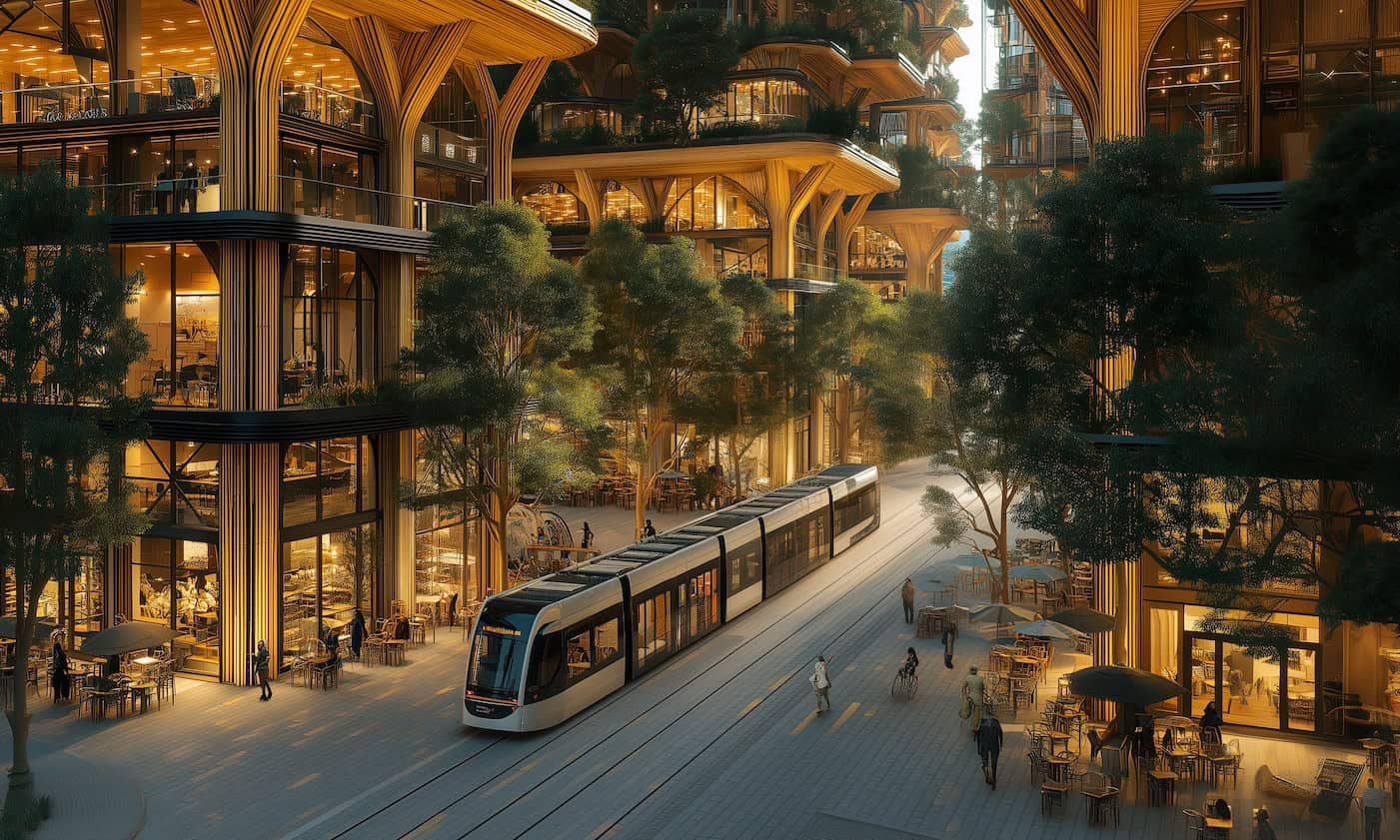
A revolutionary vision for urban living is on the horizon, driven by a desire for more livable, sustainable, and resilient cities. The concept of future metropolitan areas embodies architectural innovation, environmental consciousness, and a focus on community, showcasing a profound shift in how we perceive urban life.
Introducing Forest City 1: A Model for Sustainable Living
One of the most exciting developments comes in the form of Forest City 1, which is set to redefine how we think about urban environments. Located on the Cambridgeshire-Suffolk border, this new city will feature wooden towers adorned with greenery and solar technology, alongside an intricate network of autonomous vehicles that promote a serene urban experience devoid of the usual traffic noise.
Since its inception in 2032, Forest City 1 has attracted around one million residents, eager to embrace life in a community designed for sustainability and affordable living. The implementation of a Community Land Trust model has been crucial in maintaining affordability, providing a blueprint for future urban development where residents have a say in how their community operates.
Innovative Urban Designs Enhancing Quality of Life
Forest City 1 isn't just about aesthetic appeal; it's about harnessing technology for the benefit of its residents. Each building in the city is equipped with systems to generate energy and recycle water, enhancing efficiency while minimizing environmental impact. Moreover, cutting-edge IoT sensors optimize lighting, heating, and ventilation, thus ensuring maximum comfort without hassle.
With plans to allocate over 12,000 acres to forest, the city promises to restore biodiversity and offer residents a healthy, natural backdrop that many urban areas lack. This initiative not only fosters a connection to nature but also helps fight climate change by replacing monocultural farmland with vibrant ecosystems.
Global Transformations: Cities Leading the Way
The vision for urban transformation extends beyond Forest City 1. Cities like Paris are making strides in pedestrian-friendly initiatives, creating 'school streets' that prioritize children and families by replacing vehicle traffic with safe spaces for play and interaction. This progressive planning contributes to cleaner air and a more enjoyable urban environment.
Globally, cities are implementing green infrastructure that addresses climate change challenges. Rotterdam's innovative water management techniques integrate public spaces with stormwater management, showcasing how environmental and urban needs can coexist in harmony. The shift towards spongy cities allows for the absorption of rain, reducing the risk of flooding while enhancing community spaces.
The Promising Road Ahead
The momentum behind these transformative urban projects is palpable, with increasing interest from investors and local governments keen on addressing housing affordability and climate resilience. As cities adapt to the realities of modern living through innovative designs and a commitment to sustainability, the future landscape indicates a shift towards environments that not only enhance the quality of life for residents but also prioritize ecological well-being.
The question remains not if these cities will become reality, but how quickly we can bring these blueprints to life. With examples like Forest City 1 emerging on the horizon, the evolution of our urban centers is poised to reshape the way we live, work, and experience the world around us.

