
Discover the Hidden Benefits of Kindness in Our Everyday Lives
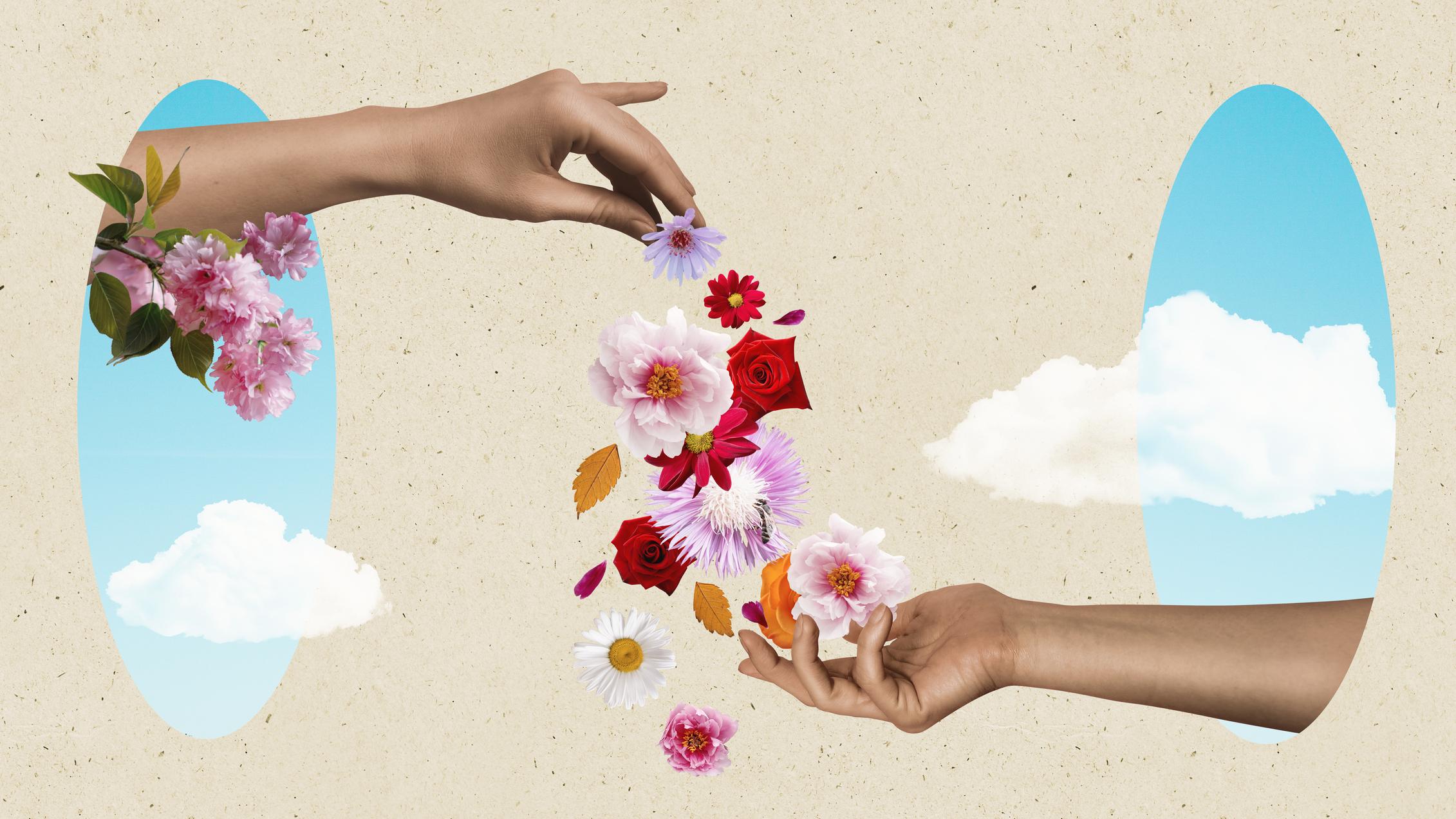
In a world that often feels polarized and contentious, recent insights into the science of kindness remind us of our innate human capacity for compassion and generosity. Engaging in random acts of kindness not only uplifts the spirits of those on the receiving end, but it also has profound positive effects on the givers themselves.
The Science Behind Kindness
Research conducted by Kindlab, led by Oliver Scott Curry, has unveiled that the benefits of kindness extend far beyond a simple good deed. A systematic review of multiple studies indicates that performing acts of kindness significantly boosts the well-being and happiness of both the giver and the receiver. It turns out that whether one is helping a close friend or a stranger, the positive emotional impacts are remarkably similar.
Practical Steps Toward Kindness
Jonathan Passmore, a U.K. psychologist, has developed a useful technique referred to as CAKE—consistent acts of kindness and empathy. He suggests that individuals commit to performing one act of kindness each day for one week, which can include small yet meaningful actions like complimenting a colleague or greeting a barista by name. Such practices not only foster a warm community spirit but also promote an overall positive mindset.
Kindness Challenges for All Ages
Kindlab also provides opportunities for younger individuals to engage in kindness, offering activities such as kindness walks. These encourage children to smile at strangers, offer sincere compliments, or even pick up litter during their strolls. Such initiatives instill the values of empathy and social responsibility early on, helping to cultivate future generations who prioritize kindness.
Ultimately, acts of kindness are a powerful and easily accessible means to improve emotional well-being. Simple gestures—whether buying coffee for the person in line behind you or holding the door for someone—can lead to a happier and more connected community. The potential rewards from these small actions are endless, influencing individuals socially and psychologically in a positively reinforcing cycle of goodwill.




