Discover the Secret Behind Happiness Rankings: Insights from the World Happiness Report 2026
The World Happiness Report 2026 has revealed some intriguing insights into global happiness levels, emphasizing the importance of social connections and appropriate social media use. Published today in partnership with the Wellbeing Research Centre at the University of Oxford and Gallup, this year’s findings come just in time for the UN’s International Day of Happiness.
The Happiest Nations and Their Stories
This year, Finland continues its remarkable lead as the world's happiest country for an unprecedented ninth consecutive year, scoring an impressive 7.764 out of 10. This consistently high ranking underlines Finland's commitment to fostering a supportive and well-connected society. Notably, Costa Rica has achieved its best-ever position at fourth place, rising from 23rd in recent years, showcasing the nation’s efforts towards improving residents' wellbeing.
The Role of Social Media
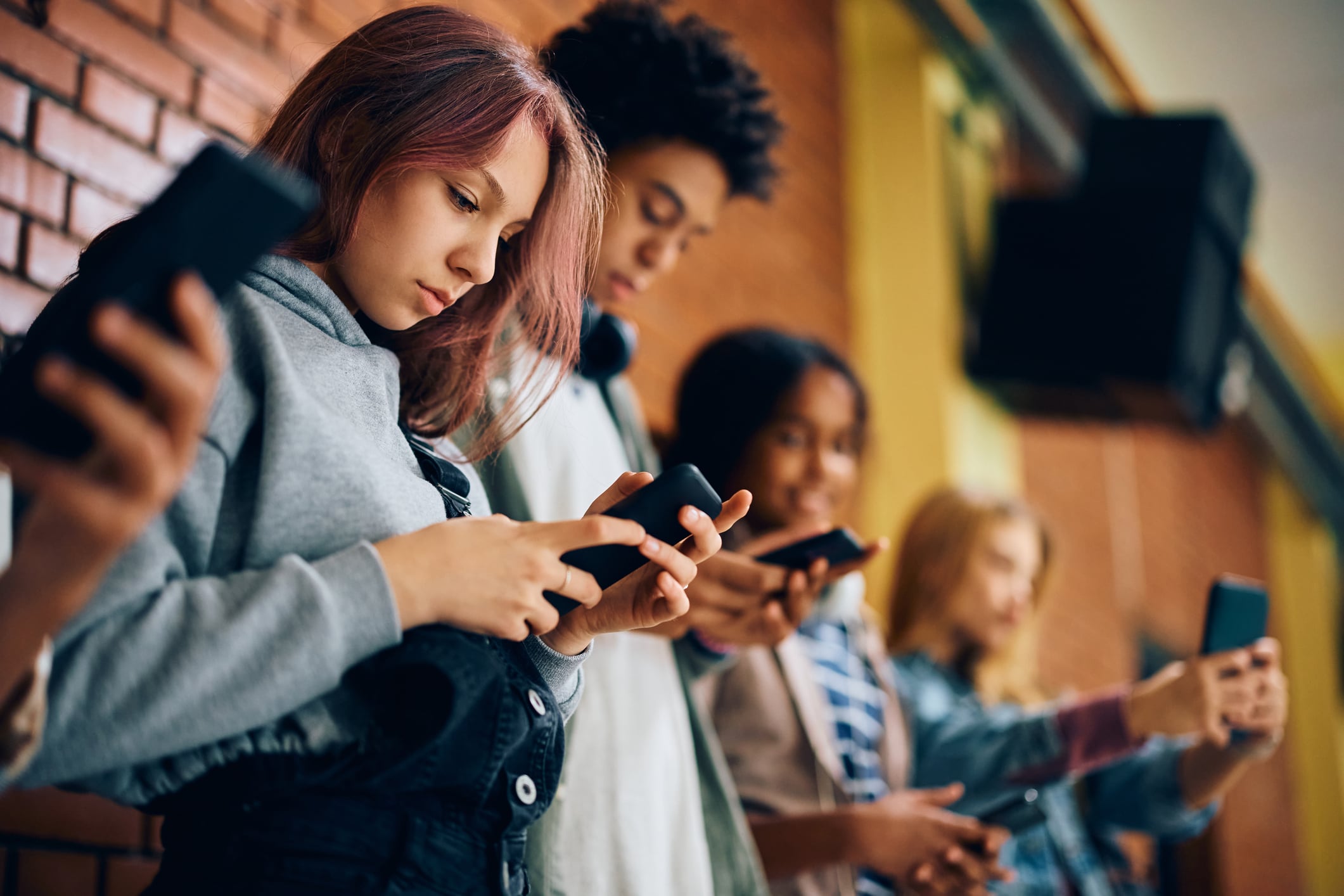
As part of the report, the relationship between social media and wellbeing has come under scrutiny. The findings indicate that while heavy use of social media can lead to decreased wellbeing, those who limit their engagement to less than one hour a day report significantly higher happiness levels. This stark contrast highlights the necessity of promoting healthier interactions with technology that prioritize genuine social connections.
Key Takeaways for Enhancing Wellbeing
Experts suggest that rather than eliminating social media altogether, individuals should focus on using platforms designed to foster meaningful interactions. By doing this, users can enjoy the positive effects of social media while mitigating its potential drawbacks. Jan-Emmanuel De Neve, Director of the Wellbeing Research Centre, emphasizes the need to incorporate more ‘social’ into ‘social media’ to enhance overall happiness.
A Bright Future Ahead
The World Happiness Report not only provides a snapshot of current global attitudes towards happiness but also encourages nations to reflect on the factors contributing to their citizens' quality of life. By addressing concerns surrounding social media addiction and promoting wholesome community connections, countries can continue to improve their social fabric and support the wellbeing of future generations.

