Discovering a New Spider Species: The Himalayan Happy-Face Spider
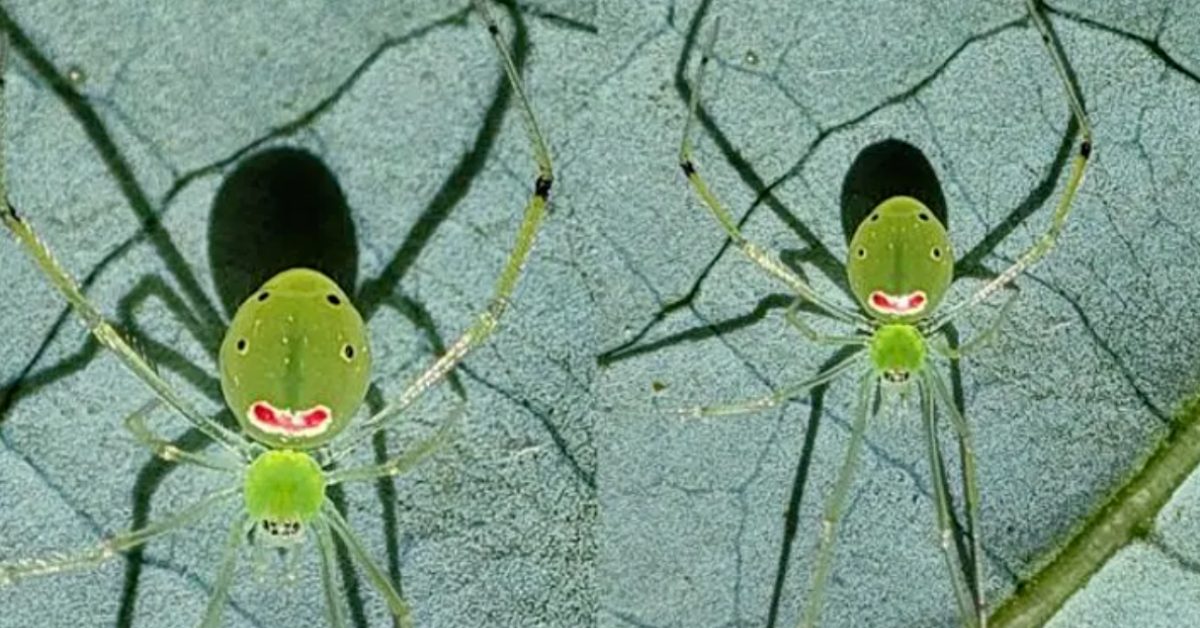
In a remarkable twist of fate, two scientists from the Forest Research Institute and the Regional Museum of Natural History have discovered a new species of spider while studying Himalayan forest ants in Uttarakhand, India. This new species, dubbed the Himalayan Happy-Face Spider, bears a remarkable resemblance to its Hawaiian counterpart, the Hawaiian happy-face spider, despite being separated by over 7,000 miles.
A Fortuitous Discovery
The journey of discovery began unexpectedly when co-author Devi Priyadarshini received images of spiders from her research partner Ashirwad Tripathy, who was studying high-altitude regions. One particular image, showcasing a spider from the underside of a Daphniphyllum leaf, triggered a wave of recognition for Priyadarshini, recalling her studies on the Hawaiian species. What started as a survey of ants quickly transformed into a groundbreaking research project on a new species.
The Fascinating Characteristics of Theridion himalayana
The Himalayan Happy-Face Spider displays an astonishing 32 different color morphs, each one sporting a cheerful appearance reminiscent of its Hawaiian family member. The research highlights not only the beauty of the spider but also its unique evolution; this striking polymorphism evolved independently in Asia, which raises intriguing questions for future research.
Implications for Future Research
The study published on April 24 represents not just the documentation of a new species, but also an exploration into the complexities of color polymorphism in nature. Questions about the spider's association with ginger plants, which are not native to Hawaii, add layers to this mystery. The revelations of this discovery offer a precious glimpse into evolutionary adaptations and coevolution in the region.
As researchers like Priyadarshini and Tripathy continue to unravel the secrets of biodiversity, they express gratitude for the supportive collaborations that make such discoveries possible. Their findings provide fertile ground for future inquiries into genetic bases and ecological drivers, maintaining the excitement and curiosity that drives scientific exploration.

