Discovering the Silk Road: A New Chapter in Archaeology
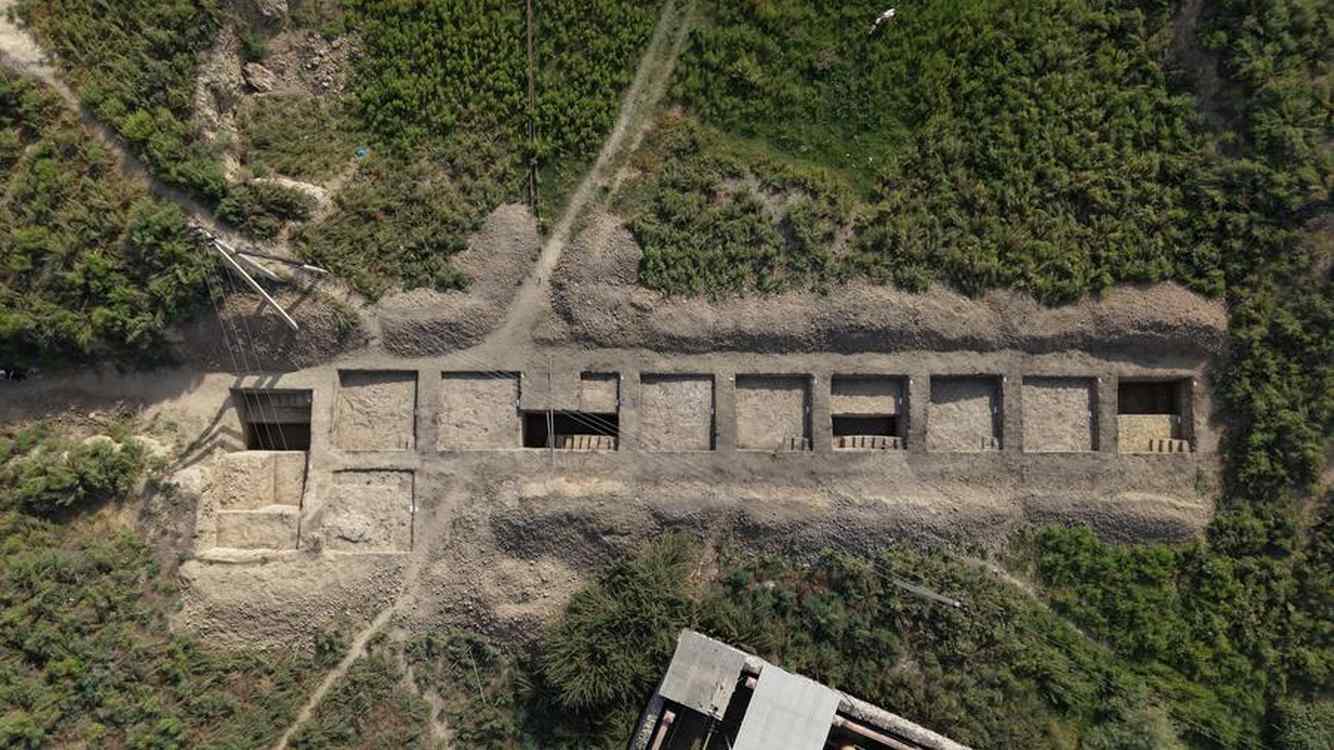
A remarkable archaeological achievement has emerged from a joint mission between China and Uzbekistan, revealing the ancient walls of Kuva, a significant Silk Road city. After two years of meticulous excavations, this partnership has uncovered not only the foundations of palaces and city gates but also a well-preserved layout of streets and craft workshops within this historic settlement.
A Journey Through Time
Kuva, located in Uzbekistan's Fergana Valley, has a rich history believed to span from the 3rd century BCE to the 10th century CE. Throughout its existence, the city underwent several transitions in control, showcasing influences from the Achaemenid Persians to the Macedonians, and further to the Parthians and Sogdians. This diversity adds an invaluable perspective to the study of trade and cultural exchange along the Silk Road.
Exciting Discoveries and Future Plans
The recent findings, including a section of standing walls indicating multiple reconstructions, provide insights into the architectural advancements of various civilizations that called Kuva home. Liu Bin, the head of the expedition from China's side, expressed how these discoveries could help establish reliable timelines of occupation and offer a better understanding of past cultural dynamics.
The excavation site, encompassing an impressive 110,000 square meters, promises even more discoveries in the future. Plans for systematic excavations of the palaces in the upcoming year are set, aiming to further elucidate the city's layout and function. This ongoing work not only highlights the historical importance of Kuva but also underscores the vital role it played in connecting the East and West through trade.
Importance of Silk Road Cities
Cities like Kuva are crucial to our understanding of the historical trade routes that shaped civilizations. The Silk Roads were not just pathways for commerce but also avenues for cultural exchange, creativity, and innovation. The excavation of Kuva enhances our comprehension of how these interactions influenced the development of societies across regions.
As archaeological efforts continue, we look forward to the potential revelations that may shed light on our shared history, reaffirming the Silk Road's legacy as a melting pot of cultures and ideas.

