Excavations Unveil Hidden Treasures of an Ancient Silk Road City
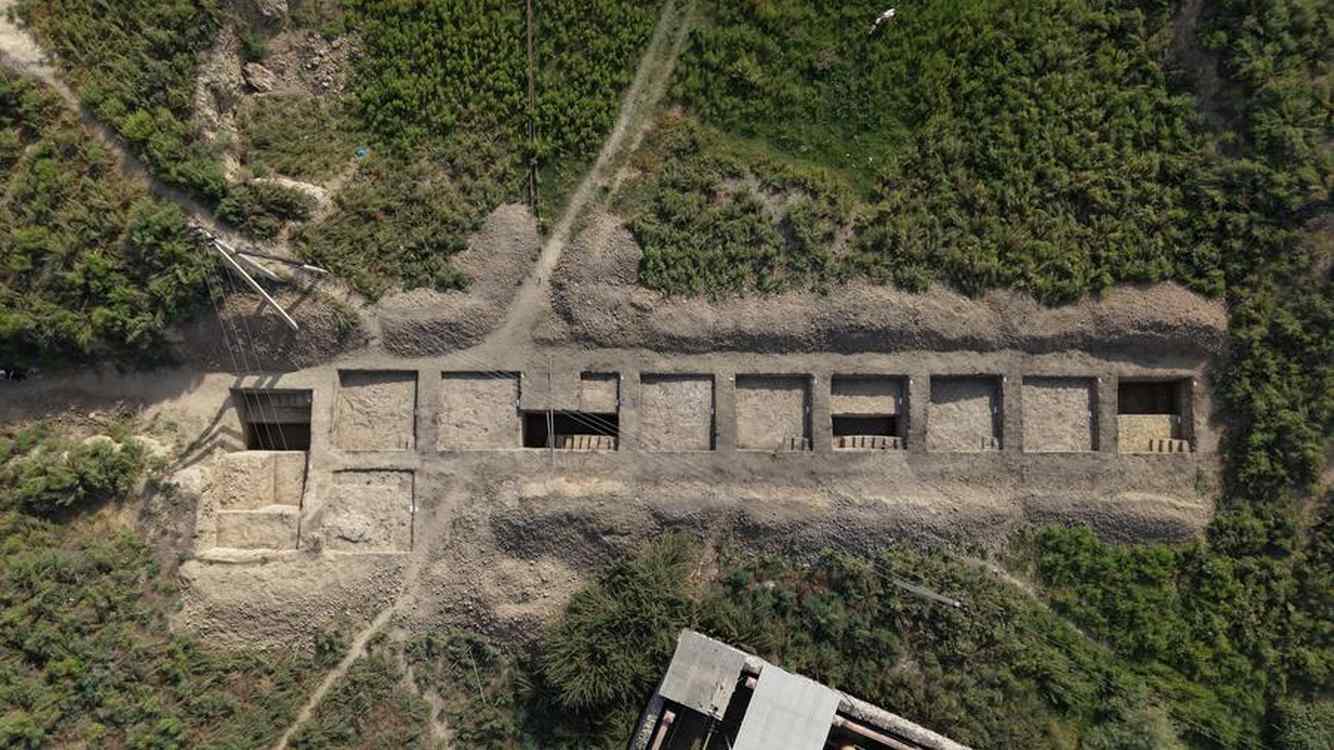
A remarkable archaeological discovery has emerged from a joint mission between China and Uzbekistan that highlights the region's rich historical significance. After two years of dedicated excavations, researchers have uncovered the remains of a crucial Silk Road city known as Kuva, shedding light on its storied past and the diverse civilizations that once thrived there.
A Journey Through Time
Located in Uzbekistan's Fergana Valley, Kuva was not only an important stop on the Silk Road but also a settlement that saw the rise and fall of various empires. The findings, which include the foundations of palaces, gates, streets, and workshops, date back to a period between the 3rd century BCE and the 10th century CE. The city has changed hands multiple times, serving as a testament to the region's historical dynamics.
Architectural Insights
Recently, the team discovered a section of standing walls that provide critical insights into how the city was constructed and rebuilt over its long history. This discovery enables researchers to create timelines that reflect the architectural styles brought by different civilizations, enhancing our understanding of the cultural exchanges that took place along the Silk Road.
Significance of Kuva
Kuva played an essential role in the story of Chinese history, especially during the Han Dynasty when emperors sought alliances and trade routes that would support their military campaigns. The Fergana Valley, renowned for its 'Heavenly Horses,' significantly contributed to the Han's military success against nomadic adversaries, underscoring the valley's importance both as a trade center and a military asset.
Future Prospects
As excavations of Kuva continue, archaeologists are optimistic about uncovering even more exciting artifacts and insights that could reshape our understanding of trade and interaction along the Silk Roads. Plans for systematic excavations in the coming year promise to bring greater clarity to the urban layout and functionality of this historic settlement.
The discoveries at Kuva not only enrich our knowledge of ancient civilizations but also highlight the enduring legacy of the Silk Road in connecting cultures and fostering trade across continents. With ongoing research efforts, the hope for further revelations remains high, potentially bringing to life even more stories from this fascinating chapter of history.

