Exciting Developments in UK-Norway Defence Collaboration
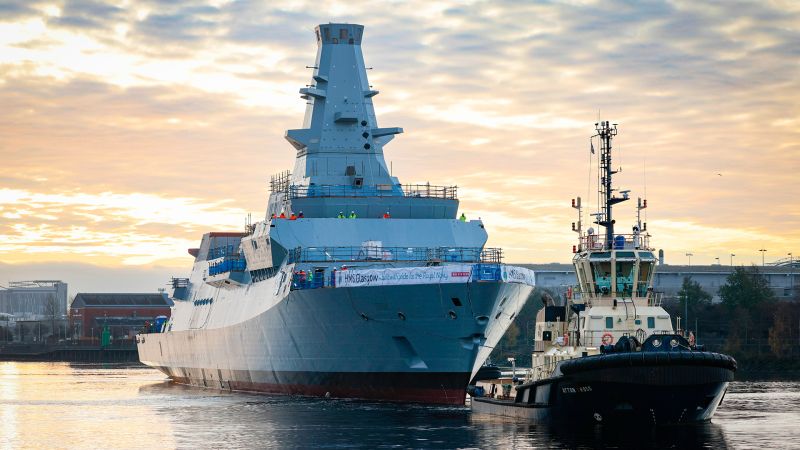
In a notable shift for NATO maritime capabilities, the UK's advanced Type 26 frigates will soon see a portion of their build slots allocated to Norway. This development, endorsed by former Royal Navy Commodore Steve Prest, is being viewed as a strategic gain for NATO as a whole.
Positive Implications for NATO
Defence Readiness and Industry Minister Luke Pollard has confirmed that several build slots have indeed been transferred to the Royal Norwegian Navy, presenting an opportunity for enhanced cooperation in a critical geographical region for NATO. Commodore Prest affirmed that this collaboration will expedite the entry of these state-of-the-art frigates into the North Atlantic, saying, "It will mean we'll get more Type 26 frigates into the North Atlantic sooner."
Despite potential delays for the Royal Navy, Prest suggests that the original plans for the Type 26 frigates may have been overly ambitious, and this decision could better align production and operational capabilities across both the UK and Norway.
Benefits for UK Industry
Beyond the immediate strategic advantages, this agreement is also a positive sign for UK industry. Commodore Prest noted the importance of securing export orders for the Type 26 frigates, which will bolster the UK's defence manufacturing sector. He emphasized that increased collaboration fosters not only operational readiness but also economic benefits for the UK's defence industry.
As the Royal Norwegian Navy prepares to receive these advanced vessels, it opens up avenues for shared operational strategies and improved readiness across the allied forces in the region.
Looking Ahead
The Defence Investment Plan, anticipated to be released soon, is expected to reflect this new direction, ensuring that the Royal Navy ultimately receives at least eight of the Type 26 City-class frigates through the 2030s. While there are challenges to address regarding manpower and infrastructure, this new order from Norway presents a clear advantage in operational capacity for NATO.
Ultimately, the decision to work more closely with Norway on the Type 26 frigates highlights the importance of cooperation and collaboration in global defence strategies. As Commodore Prest aptly puts it, the success of such arrangements relies on much more than just the operational vessels themselves; it’s about the foundational support that allows these forces to function effectively.

