Exploring the Positive Shift in MDU Construction Amidst Challenges
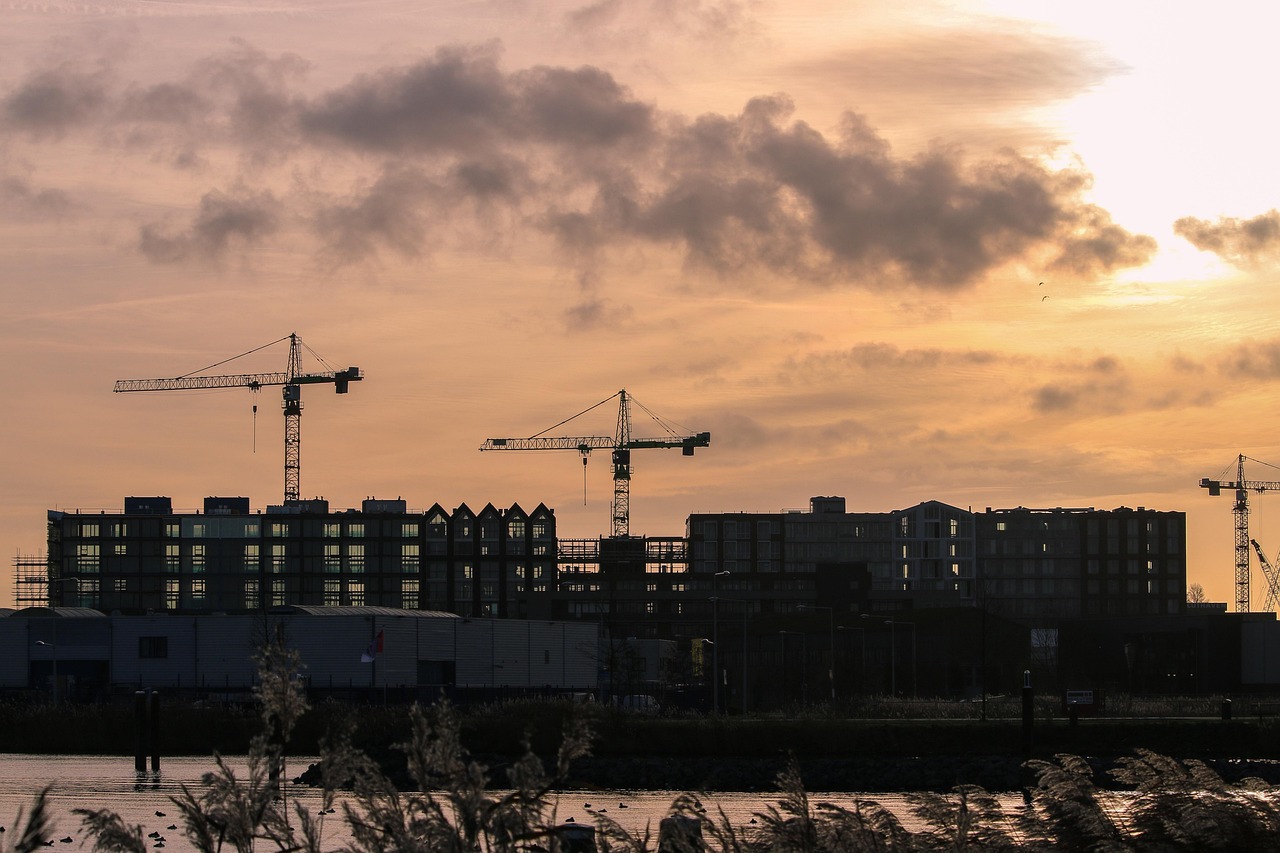
Despite facing significant challenges, the construction industry is witnessing a noteworthy positive trend in the realm of multiple-dwelling unit (MDU) homes. In 2025, construction of MDUs rose by nearly 10 percent, signaling a growing demand for efficient, cost-effective living spaces. This surge contrasts sharply with the notable drop in single-family home construction, providing insights into evolving housing preferences in the current economic landscape.
The Rise of Multiple-Dwelling Units
The construction of MDUs, which offer more affordable living options, increased from approximately 489,000 in 2024 to an estimated 536,000 in 2025. This significant uptick indicates a shift towards housing solutions that cater to a broader segment of the population, particularly in urban areas where housing costs are a major concern. The fact that more than 38 percent of all new dwellings in 2025 were MDUs reflects a growing recognition of the importance of sustainable living arrangements.
Impact of Economic Factors
While numerous economic challenges have limited the construction of single-family homes, including rising costs and supply chain disruptions, the MDU market continues to thrive. Interestingly, construction professionals note that building MDUs is often more economically attractive than single-family homes, especially as many residents gravitate towards rental opportunities in densely populated areas. This trend promotes not only economic stability but also provides housing solutions for various demographics, including young singles and families.
Future Prospects for Housing
A look at building permit data reveals promising indicators for continued MDU construction in the coming years. With approximately 86 percent of the total newfound permits for MDUs covering structures with five or more units, it’s evident that the market is likely to remain robust unless a significant economic downturn occurs. The advantages of MDUs—lower costs for broadband infrastructure and reduced maintenance burdens—further incentivize this growing trend.
In summary, while various headwinds confront the housing sector, the rise of multiple-dwelling units stands out as a beacon of positive change. This trend not only represents adaptability within the construction industry but also underscores a shift in societal values regarding living arrangements, emphasizing the importance of community-oriented, sustainable housing solutions.

