Finland Tops Happiness Rankings Again: What Makes a Country Truly Happy?
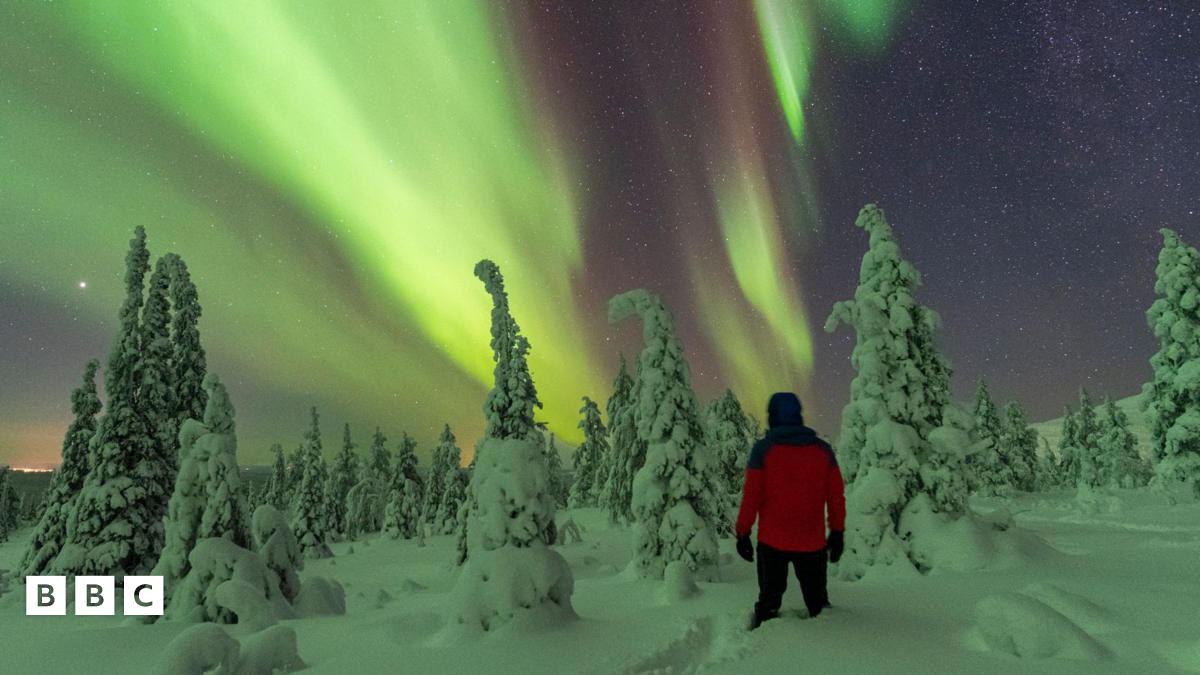
In an impressive display of consistency, Finland has once again been recognized as the world's happiest country for the ninth consecutive year, according to the World Happiness Report compiled by the University of Oxford's Wellbeing Research Centre in collaboration with the United Nations. This remarkable achievement highlights the factors contributing to the well-being of its citizens and serves as an enlightening case study for happiness around the globe.
What Contributes to Finland's Happiness?
The report, which ranks 147 countries, uses a variety of metrics to gauge the happiness levels of nations. It includes surveys such as the Gallup World Poll, where respondents rate their life satisfaction on a scale akin to a ladder. People assess their current life situation by imagining their ideal life at the top rung of the ladder. Finland's high standing can be attributed to its extensive access to resources fostering both physical and mental health.
Scandinavian Solidarity: The Role of Social Support
One significant factor that emerged from this year's findings is the importance of social connections in enhancing happiness. Jan-Emmanuel De Neve, a professor of economics at the University of Oxford and editor of the report, underscored the significance of social support in Finland. In regions where residents have strong networks of friends and community support, happiness tends to flourish. This trust and mutual reliance among friends are regarded as invaluable assets in creating an elevated quality of life.
A Global Perspective on Youth Happiness
The report also sheds light on the happiness levels among younger demographics, revealing that in 85 out of 136 countries surveyed, individuals under 25 reported higher levels of happiness compared to two decades ago. However, in nations like the United States, Canada, and Australia, there has been a decline in youth happiness, raising concerns about the impact of social media and changing societal dynamics on this vital age group. Notably, Finland's effective social systems and community structures continue to shield its youth from these global downward trends.
Overall, Finland's repeated recognition as the happiest country invites exploration into the qualities that cultivate a fulfilled and content populace. As we look towards the future, analyzing the success of such models may lead to valuable insights applicable in countries striving to improve the well-being of their citizens.

