
France's Tactical Evolution: The Recipe for World Cup Success
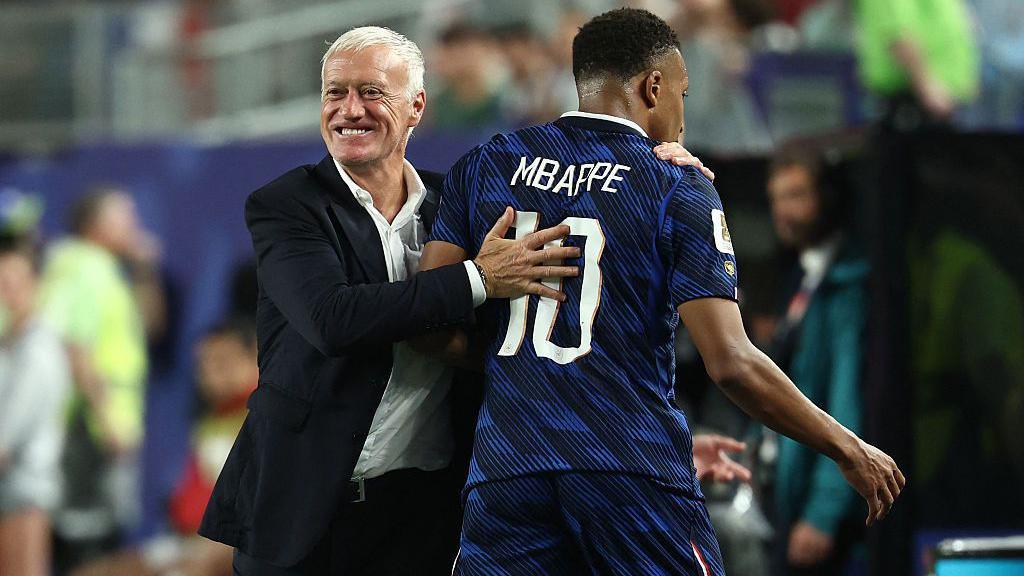
The 2026 World Cup has revealed a remarkable side of the French football team, showcasing their resilience and adaptability under the masterful management of Didier Deschamps. Renowned for his ability to harness the talents of elite players, Deschamps has demonstrated that even the wealthiest pools of talent can face challenges, but he has consistently risen to meet them, particularly in high-stakes tournaments.
A Tactical Maestro in Action
Since taking the helm in 2012, Deschamps has become adept at tweaking his strategies mid-tournament, ensuring his team remains competitive regardless of their opponents. This World Cup has been no exception. Deschamps' flexibility in formation has allowed him to maximize the capabilities of players like Kylian Mbappe, adapting their roles to flourish—despite the complexities inherent in managing such high-profile athletes.
Optimizing Player Roles
One of Deschamps' notable achievements has been his innovative approach to player placement. In the opening match against Senegal, he employed a unique 4-2-4 formation, allowing players like Mbappe to delve deeper into the midfield, which, in turn, has expanded their attacking options. This configuration not only grants players the freedom to exploit their natural strengths but also contributes to a more dynamic and unpredictable offense.
Defensive Adaptability
Deschamps has also shown an exceptional commitment to adapting his defensive strategies. By implementing a compact 4-4-1-1 formation in response to Senegal's attacking threats, he ensured that his players could better shield the midfield and regain possession promptly. This tactical evolution has fortified France's defense, making it challenging for opponents to penetrate effectively.
Impressive Individual Performances
Amid these tactical adjustments, individual players have shone brightly. Ousmane Dembele, for instance, has thrived in his new wide role, demonstrated by his impressive hat-trick against Norway. His ability to transition seamlessly between roles has not only enhanced his performance but has also added depth to France's attacking threats, illustrating the effectiveness of Deschamps' strategies.
In conclusion, as the tournament progresses, France has emerged as a formidable contender, showcasing both individual brilliance and cohesive team dynamics. Deschamps' tactical acumen, which marries adaptability with a clear vision, positions France as a team to watch in this World Cup. Whether they can clinch another title remains to be seen, but their journey through this tournament certainly reveals a story of resilience, strategy, and remarkable potential.




