Great Lakes Ice Coverage Brings Hope for Local Communities
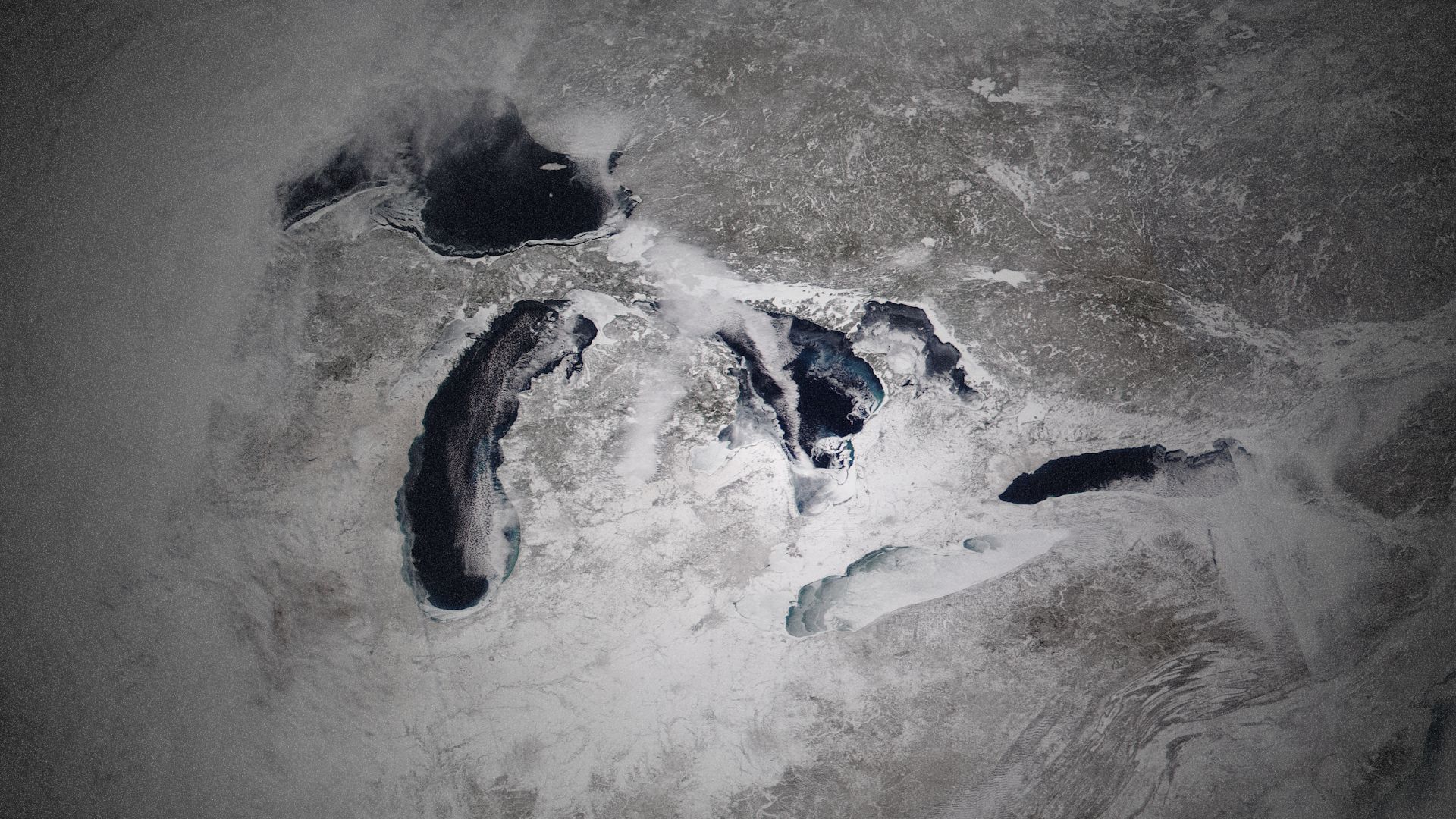
The Great Lakes region is experiencing a notable shift as several weeks of intense cold temperatures have led to significant ice coverage across the lakes. This development is being welcomed by communities that have been accustomed to unrelenting snowfall this season.
Positive Impacts of Ice Formation
The freezing of lake surfaces, which has recently seen a remarkable increase in ice coverage—from 15.5 percent to 56 percent in just a few weeks—brings multiple benefits. For instance, Lake Erie has reached almost 96 percent ice cover. This is crucial as it significantly reduces lake-effect snow, which is notorious for creating hazardous conditions through heavy and unpredictable snowfall.
The layer of ice plays a vital role by restricting the warm air from fueling snow formations, thus moderating winter's impact in various areas of the region. Although this doesn’t mean that the snow season is entirely over, the increased ice coverage is set to quell the intensity of snowfall in many locations. This change is especially vital for communities that have been overwhelmed by snow this winter.
Economic Advantages for Local Residents
Moreover, this ice buildup is not only a relief for physical conditions but also an economic boost for lakeside communities. With thick ice cover, activities such as ice fishing and recreational sports can thrive, invigorating local economies that rely on winter tourism. This situation exemplifies a unique coexistence where nature's harshness can translate into economic opportunities.
Environmental Considerations
Research indicates that increased ice coverage may also benefit the ecosystem of the Great Lakes by dampening wave activity that can disturb aquatic habitats. This ecological advantage reinforces the importance of ice in maintaining a balanced environment in the lakes.
In summary, while the recent cold may seem daunting, it is fostering positive changes in the Great Lakes region that bring relief and potential prosperity to its communities. As temperatures fluctuate, the benefits of ice coverage are becoming evident, presenting a silver lining to the winter weather.

