Groundbreaking Advances Bring Hope: Unbelievable Progress in Science and Conservation
This week has seen remarkable advancements that could reshape our future in healthcare and environmental protection. From groundbreaking treatments to unprecedented treaties, the news is filled with positivity.
Revolutionary Treatment for Eye Condition
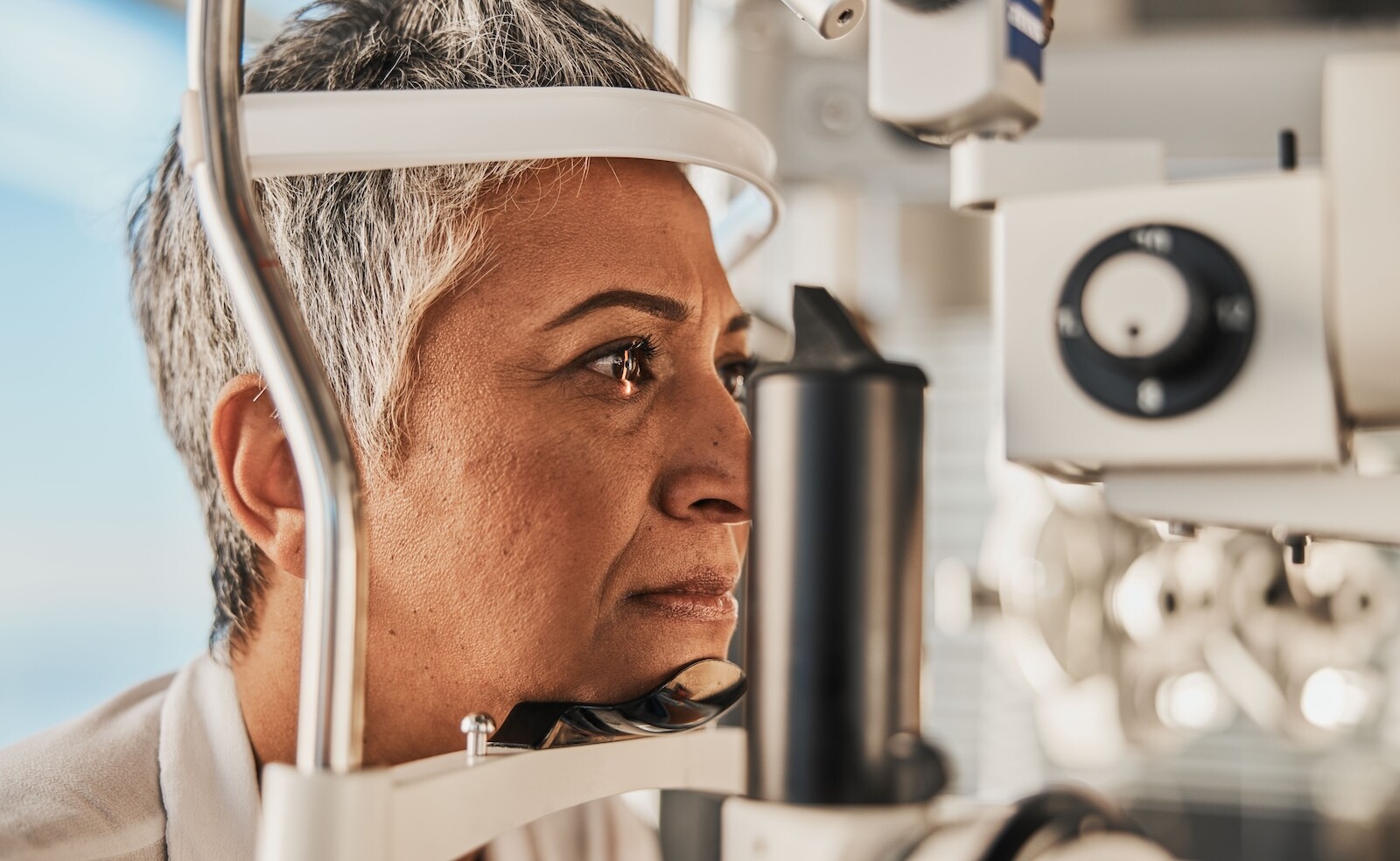
In a stunning medical breakthrough, scientists at Moorfields Eye Hospital in London have successfully treated an 'untreatable' eye condition known as hypotony. This condition, characterized by low eye pressure, can lead to blindness. Through ocular injections of hydroxypropyl methylcellulose, seven out of eight patients have reported improved vision, with one patient, Nicki Guy, stating, “My sight has slowly returned.” The excitement surrounding this innovative treatment marks a new chapter in understanding ocular health.
Global Ocean Treaty Takes Effect
In a historic moment for environmental conservation, the Global Ocean Treaty has officially entered into force. This monumental treaty, signed by 84 countries, empowers nations to safeguard the high seas—an area covering nearly two-thirds of the ocean. As highlighted by Greenpeace, the treaty represents a significant victory for ocean protection, with vast implications for marine biodiversity. With less than 1% of international waters currently fully protected, the establishment of this treaty opens the door for a network of sanctuaries that could rejuvenate our oceans.
Promising Trends in Global Poverty Reduction
The World Bank has reported encouraging forecasts indicating that up to 80% of countries may experience declines in poverty by 2025. This is a beacon of hope as the global effort to combat poverty gains momentum post-pandemic. Although there are concerns about rising poverty in some regions, overall trends are shifting positively towards lifting millions out of hardship.
Declining Murder Rates in the US
Preliminary data suggests that the murder rate in the United States experienced a historic decline in 2025, marking a significant drop in crime overall. Experts, including Jeff Asher from the Real-Time Crime Index, have noted this progress as cause for celebration, hinting that the reduction signals a positive shift in public safety.
Success in Rewilding Efforts at Knepp Estate
A groundbreaking ecological review of the Knepp rewilding estate in England reveals a staggering 900% increase in breeding birds over the past two decades. Fleur Dobner, a Knepp ecologist, notes that this transformation from agricultural land to a biodiversity hotspot demonstrates the potential for ecological recovery when nature is allowed to thrive. The estate serves as a sanctuary for endangered species, showcasing the importance of rewilding in preserving wildlife.
Overall, this week has highlighted some awe-inspiring achievements and hopeful trends in areas critical to health, safety, and the environment, proving that despite challenges, progress is possible and worth celebrating.

