Groundbreaking Aquaculture Advancement: Blackthroat Seaperch Farming Revolutionized
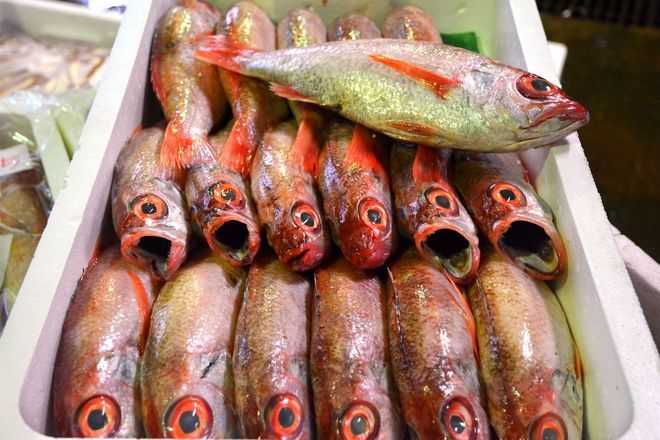
In a remarkable development, Kindai University has announced the successful aquaculture of the nodoguro blackthroat seaperch, marking the first complete farming of this deep-sea fish entirely in captivity. This achievement is a significant stride for sustainable seafood practices, offering hope to both consumers and the culinary world.
Reviving a Seafood Tradition
The nodoguro, also known as akamutsu or rosy seabass, is celebrated in Japan for its exquisite flavor and versatility in dishes, ranging from sashimi to grilled preparations. Historically, this fish has been difficult to source due to unstable catches, leading to high prices and limited availability in restaurants.
The advancement by Kindai University's research team may soon change this landscape. By cultivating nodoguro from artificially hatched parents, they are not only ensuring a stable supply but also potential pathways to revitalize Japan's traditional seafood culture that once thrived on diverse aquatic life.
The Future of Seafood Consumption
With a target for commercialization set around 2030, this breakthrough offers exciting prospects for both the seafood industry and consumers. As Japan has increasingly relied on imported salmon due to dwindling local catches, the ability to farm nodoguro sustainably may restore local pride in domestic seafood offerings.
As highlighted in a recent dining experience, the flavor of nodoguro—likened to “shiromi no toro” for its rich, fatty meat—delivers an unforgettable umami experience that seafood lovers cherish. The successful farming of this fish would not only enhance accessibility but could also spur a renaissance of traditional Japanese seafood dishes.
A Culinary New Era
This development is poised to enhance not just the culinary scene in Japan but also provide a model for sustainable aquaculture practices globally. As the world increasingly emphasizes environmental responsibility, innovative efforts such as those from Kindai University can serve as examples of how traditional food sources can be sustainably managed in modern contexts.

