Groundbreaking CRISPR Treatment Offers Hope to Children with Rare Genetic Disorders
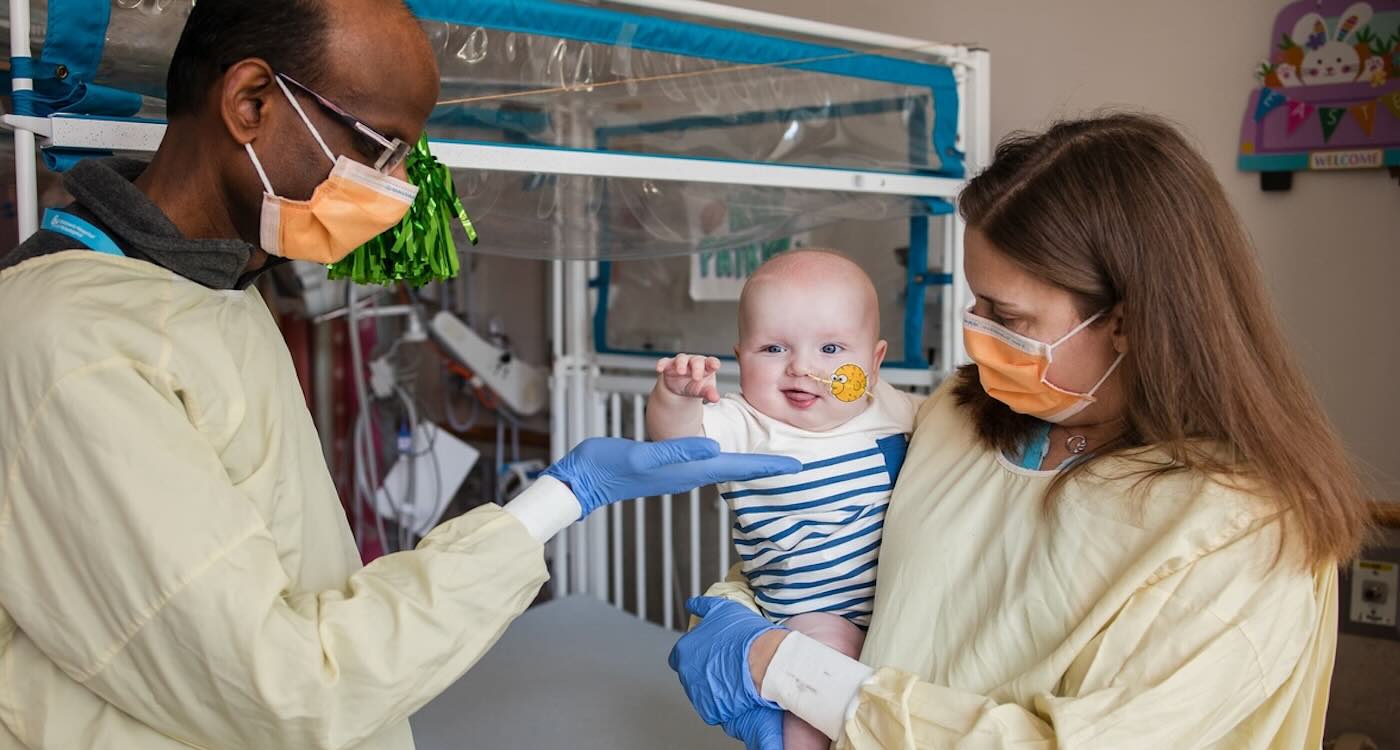
In a remarkable demonstration of scientific advancement, a groundbreaking CRISPR gene therapy has been developed for a child in Pennsylvania suffering from a rare metabolic disorder. The case of KJ, a newborn who was unable to convert ammonia to urea, presents a shining example of the potential of genetic edits to redefine the treatment of previously untreatable conditions.
A Pioneering Medical Journey
KJ’s journey began as a race against time, as doctors at the Children’s Hospital of Philadelphia (CHOP) identified the serious risks of brain and liver damage he faced due to his disorder. With a restrictive diet and continual medication being the only current management strategies, KJ’s parents, Nicole and Kyle Muldoon, made the courageous decision to pursue a cutting-edge treatment that aimed at correcting the faulty gene responsible for their son’s condition.
The Science Behind the Success
Under the guidance of pioneering genetic therapists Dr. Rebecca Ahrens-Nicklas and Dr. Kiran Musunru, KJ received a custom-crafted CRISPR treatment that shows promise not only for him but also for many other children with genetic disorders. After years of research and collaboration between geneticists and clinicians, the therapy was specifically designed to target KJ’s genetic variant of severe carbamoyl phosphate synthetase 1 (CPS1) deficiency. Within months of the first infusion, significant progress was observed as KJ was able to incorporate some protein back into his diet and cease his medication.
A New Era in Gene Therapy
The development of this treatment marks a significant step in the field of gene therapy and CRISPR technology. While similar therapies have been FDA-approved for diseases affecting larger populations, KJ’s case underlines the potential to customize genetic interventions for individuals with rare conditions. As Dr. Ahrens-Nicklas stated, this moment may be just the beginning, paving the way for countless others who are currently deprived of effective treatment options due to the rarity of their genetic disorders.
This inspiring story of KJ’s recovery emphasizes the rapid advancements in genetic science and the hope it brings for families grappling with similar health challenges. With continued innovation and dedication, the dream of personalized medical therapies is inching closer to reality, transforming lives one groundbreaking treatment at a time.

