Groundbreaking Research Reveals Apes Can Imagine and Pretend Like Humans!
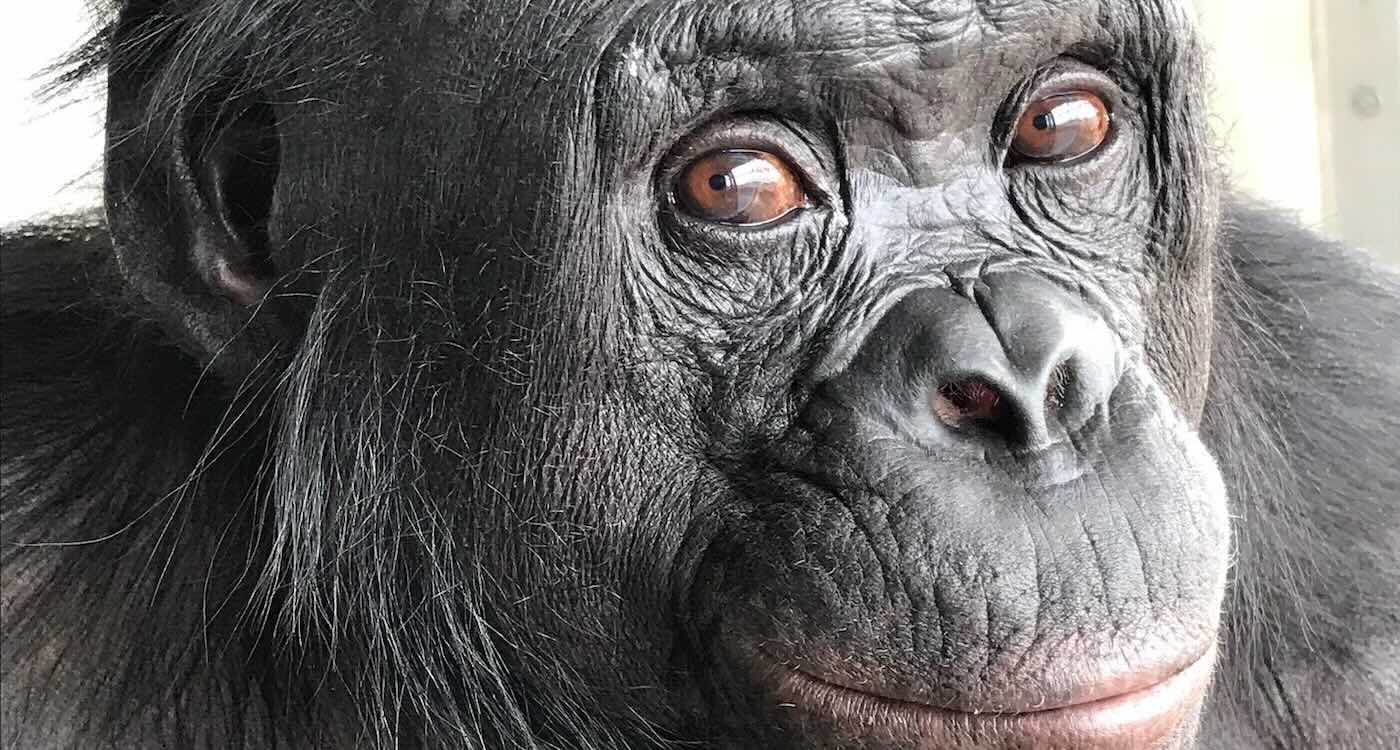
Recent findings from scientists at Johns Hopkins University have made a remarkable discovery: apes possess the ability to imagine and engage in pretend play, a trait long considered unique to humans. This pioneering study challenges traditional views on animal cognition and sheds light on the mental lives of our closest primate relatives.
The Tea Party Experiment
In a series of tea party-style experiments, researchers tested the imaginative capabilities of Kanzi, a bonobo, at the Ape Initiative in Iowa. The experiments demonstrated that Kanzi could recognize and interact with imaginary objects, such as pretend juice and grapes, showcasing an impressive understanding of pretense. This groundbreaking realization opens a new chapter in our understanding of animal behavior and cognition.
Implications for Animal Cognition
Co-author Dr. Christopher Krupenye noted that the study not only elevates our perception of what it means to be human but also encourages reevaluation of the cognitive capabilities of other species. By establishing that apes can conceive of things that are not physically present, the research invites further exploration into the imaginative capacities of various animals.
The Future of Research
The groundbreaking nature of this research compels scientists to consider the mental lives of non-human animals with greater depth. The team plans to investigate whether other apes and animals can engage in similar forms of pretend play, highlighting the need to protect these intelligent creatures with rich cognitive abilities.
This transformative discovery challenges previously held assumptions about the uniqueness of human imagination and underscores the complexity of animal minds, urging us to appreciate and conserve the remarkable cognitive worlds found in our animal counterparts.

