Groundbreaking Research Reveals Apes Share a Unique Imagination Skill with Humans
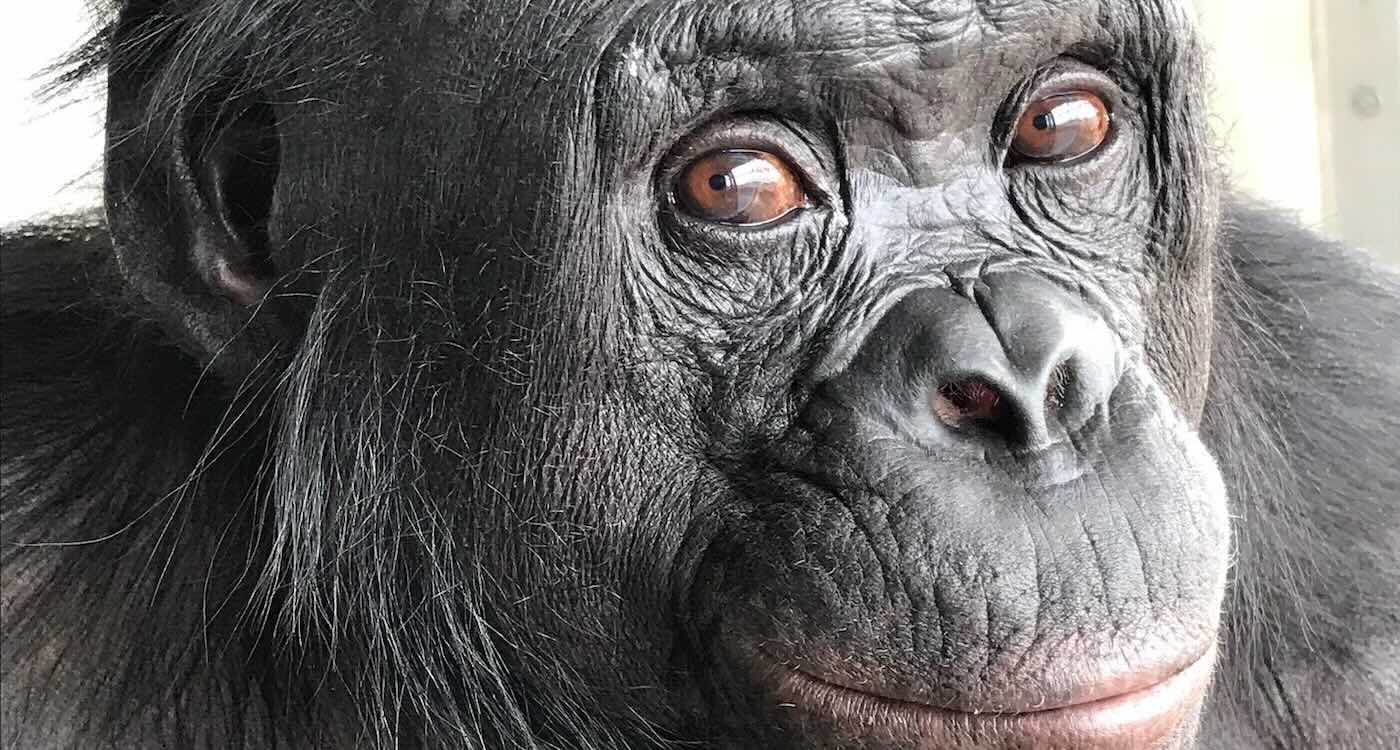
New research from Johns Hopkins University has unveiled a fascinating revelation: apes possess the capacity to imagine and engage in pretend play, a cognitive ability previously thought to be exclusive to humans. This groundbreaking study, which involved a series of tea party experiments, challenges long-held assumptions about the mental lives of animals.
A Game-Changer in Animal Cognition
According to the study, published in the journal Science, one bonobo named Kanzi demonstrated a remarkable ability to interact with imaginary objects. Researchers noted that Kanzi could understand the concept of pretend juice and grapes in multiple experiments. These findings indicate that the capacity for imagination among primates is not only present but perhaps has evolved over six to nine million years, dating back to our common ancestors.
Redefining What Makes Us Special
Dr. Christopher Krupenye, a co-author of the study, emphasized the transformative nature of this discovery. He compared it to previous findings by Jane Goodall, which redefined human uniqueness in light of chimpanzee tool-making. This new research invites society to reconsider the mental capabilities and emotional lives of other species.
The Implications of Imagination
The implications of this research are profound. If apes can conceive of imaginary objects, it invites further exploration into their cognitive abilities, such as their capacity to think about the future or comprehend the thoughts of others. Dr. Krupenye remarked that understanding imagination in animals may lead to a deeper appreciation for their rich mental lives and encourage efforts to protect these remarkable creatures.
Future Directions for Research
Researchers aim to expand their studies to see if other apes and animals possess similar pretend play abilities. This future research may not only alter how we view animal cognition but also enhance conservation efforts geared toward ensuring that these intelligent beings continue to thrive alongside humanity.

