Historic Ceasefire Agreement: A Glimmer of Hope for Global Stability
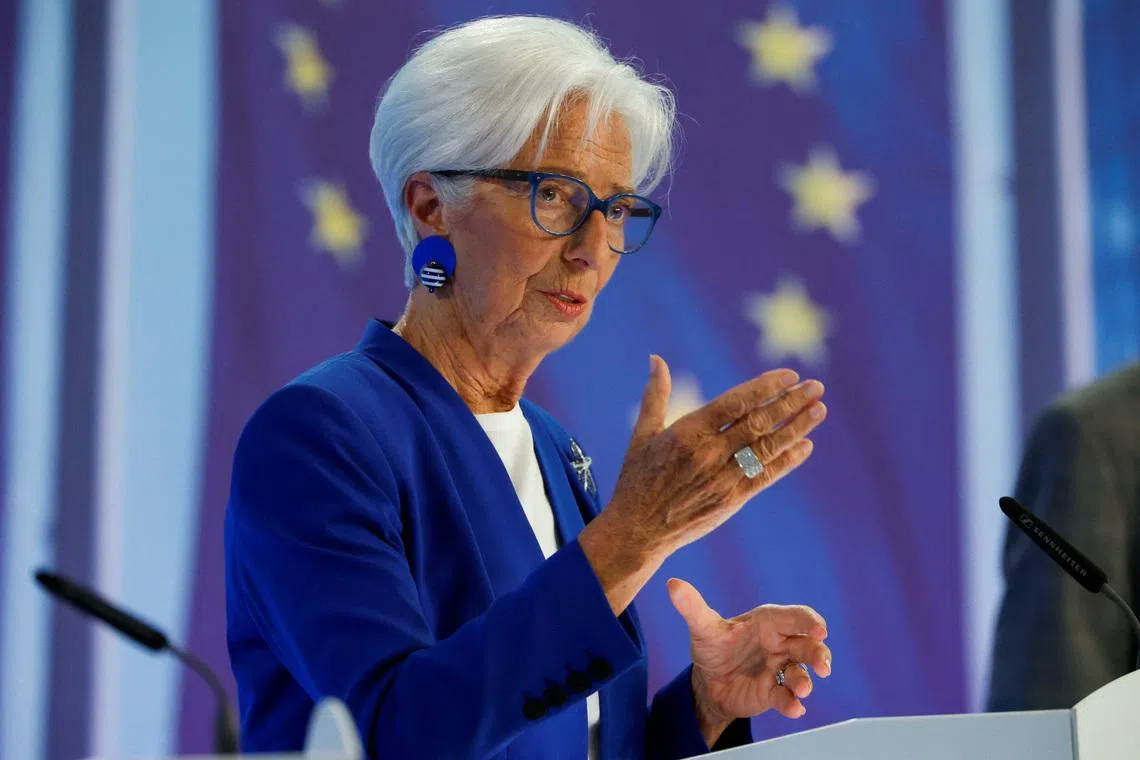
In a notable development that could reshape regional dynamics, European Central Bank President Christine Lagarde has welcomed the recent ceasefire agreement reached with Iran. This announcement is eliciting cautious optimism across the globe, particularly regarding its implications for the reopening of the crucial Strait of Hormuz.
A Positive Step Forward
Lagarde's remarks, made during an interview with France Culture radio, highlight the significance of this agreement. She stated, "If this news is confirmed by developments in the coming days and the signing of a memorandum of understanding ... it is good news. We can only welcome it." Such sentiments reflect a broader hope that the ceasefire could alleviate tensions in a region that has seen prolonged hostilities and conflict.
The Economic Implications
The potential reopening of the Strait of Hormuz, a vital artery for the world’s oil supply, stands to impact global oil prices positively. Following the announcement of the ceasefire, oil prices saw a decline, suggesting the markets are responding favorably to the prospect of reduced geopolitical risk. This could lead to increased stability and economic recovery not just for the affected regions but for the global economy at large.
Looking Ahead
While the cessation of hostilities marks a critical milestone, it is essential to acknowledge that challenges remain. The future of Iran's nuclear program and the full terms of the agreement need careful negotiations and widespread support from international stakeholders. Nevertheless, for now, this ceasefire represents a significant opportunity for peacebuilding and renewed dialogue. As developments unfold in the coming days, the global community watches closely, hopeful for a broader resolution to the complexities that have defined U.S.-Iran relations for decades.

