Historic Ceasefire Agreement: A New Dawn for Geopolitical Stability?
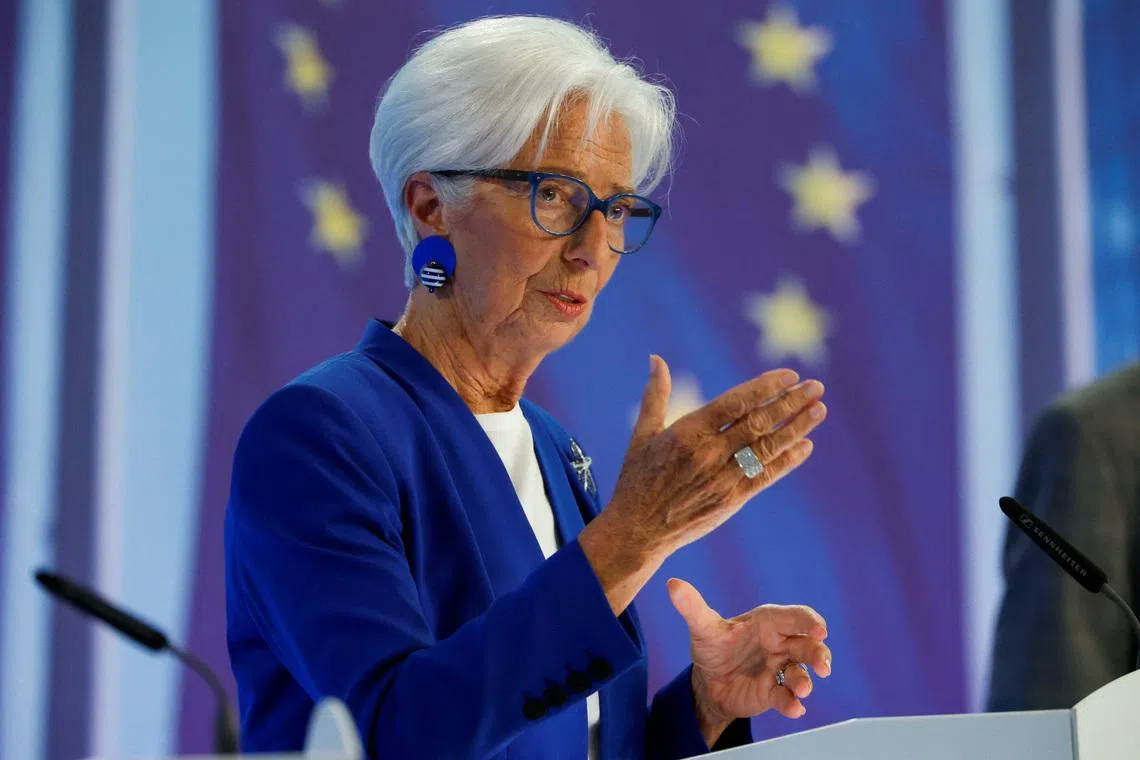
On June 15, 2026, European Central Bank President Christine Lagarde announced a significant breakthrough in international relations, celebrating the ceasefire agreement reached with Iran. This pivotal development not only suggests heightened diplomatic engagement but also holds the potential to re-open the critical waterway of the Strait of Hormuz.
A Step Towards Peace
The ceasefire agreement, noted by Lagarde as "good news," reflects a collective movement towards lasting peace in the region. As tensions have historically plagued the Middle East, this pact marks a crucial turning point that could pave the way for more comprehensive negotiations regarding regional security and Iran's nuclear program.
Implications for Global Economy
In the immediate aftermath of the announcement, markets responded positively, with oil prices dipping markedly as the threat of conflict appeared minimized. Analysts suggest that a sustained agreement could stabilize international oil markets significantly, impacting global economic recovery efforts.
Looking Ahead
While the ceasefire is a promising development, Lagarde cautioned that much work remains to be done, particularly regarding the contentious issues of uranium enrichment and further agreements. Nevertheless, this moment of optimism reflects the unyielding hope for a peaceful resolution and stability in a region often perceived through a lens of adversity.

