Hope for Peace: Positive Developments on the Strait of Hormuz
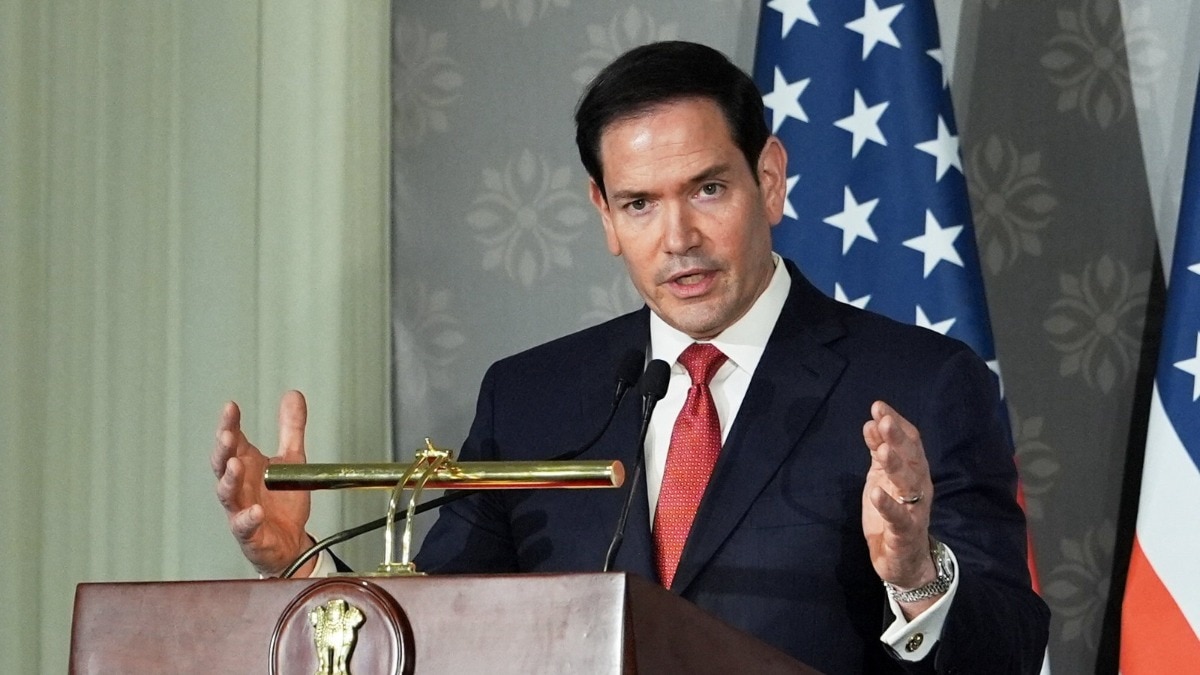
In a significant diplomatic turn, US Secretary of State Marco Rubio revealed optimism regarding potential resolutions to the ongoing tensions in the Strait of Hormuz during his visit to India. At a joint press conference with External Affairs Minister S Jaishankar, Rubio indicated that "good news" may be imminent, hinting at promising developments aimed at de-escalating the situation that has posed challenges to global energy security.
A Possible Turning Point
Rubio's announcement came just hours after US President Donald Trump hinted at a forthcoming agreement with Iran that could mark a pivotal moment in the conflict. The proposed deal aims to reopen the Strait of Hormuz, a crucial shipping passage that has been under strain due to the Iran war, which began earlier this year. Trump's communication through social media platforms emphasized that the final specifics of the agreement are being finalized, indicating a hopeful outlook on peace negotiations.
Progress Toward Stability
According to reports, major strides have been made in discussions, with reports suggesting that Iran may be willing to relinquish a considerable stockpile of highly enriched uranium as part of the negotiations. This development, if confirmed, could pave the way for a more extensive peace agreement and reduce the nuclear threat that has been a significant sticking point in US-Iran relations.
What Lies Ahead?
While there is a tone of cautious optimism, it is essential to note that not all claims have gone unchallenged. A senior Iranian official refuted the suggestion that Tehran had agreed to any concessions regarding its uranium stockpile. This complexity highlights the intricacies involved in these high-stakes negotiations, yet the very fact that dialogue is occurring is a positive sign in the pursuit of lasting peace.
In the coming weeks, developments around the negotiations will be closely watched, as both parties seem to recognize the importance of reaching an agreement that would not only stabilize the region but also alleviate the pressures on global energy markets.

