Hope on the Horizon: A Ceasefire Agreement Offers Promise for Peace
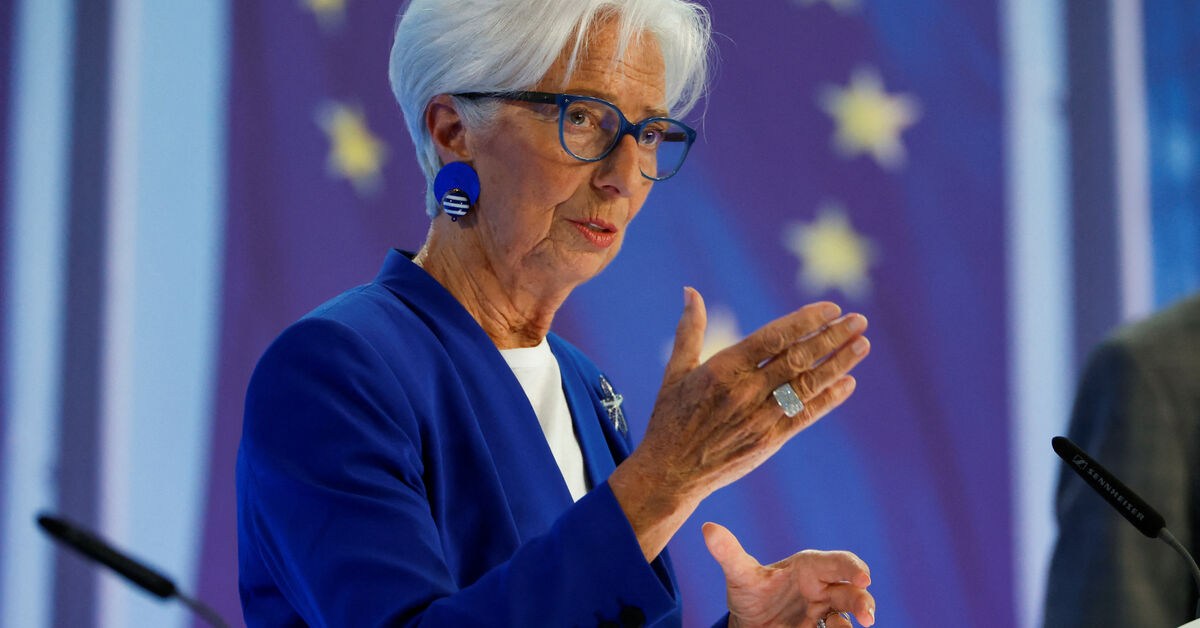
Recent developments in diplomatic relations between the U.S. and Iran have brought a glimmer of hope to a region long affected by tension and conflict. European Central Bank President Christine Lagarde has described the newly reached ceasefire agreement as "good news," which could pave the way for the reopening of the vital Strait of Hormuz.
The Significance of the Ceasefire
Lagarde's optimistic assessment underscores the potential for positive change in the Middle East. The Strait of Hormuz is a crucial maritime passage, through which a significant portion of the world's oil supply transits. A ceasefire could lead to increased stability in the region, which has a direct influence on global oil prices and trade.
Further Negotiations Ahead
While this ceasefire represents a promising step forward, it is important to note that discussions surrounding Iran's uranium enrichment remain unresolved. Both U.S. and Iranian officials have indicated that further negotiations are essential to address this complex issue. The outcome of these talks will be crucial in determining the long-term prospects for peace and stability in the region.
Global Implications
The potential reopening of the Strait and the end of hostilities could have wide-ranging implications, not only for regional players but for the global economy as well. As the world watches closely, the focus will shift to how these developments are implemented and what they mean for future relations among key nations.
In conclusion, the recent ceasefire agreement marks a significant step towards peace in the Middle East. As negotiations continue, there is cautious optimism that this development could herald an era of reduced tension and greater stability.

