Hope on the Horizon: UniQure's Game-Changing Therapy for Huntington's Disease
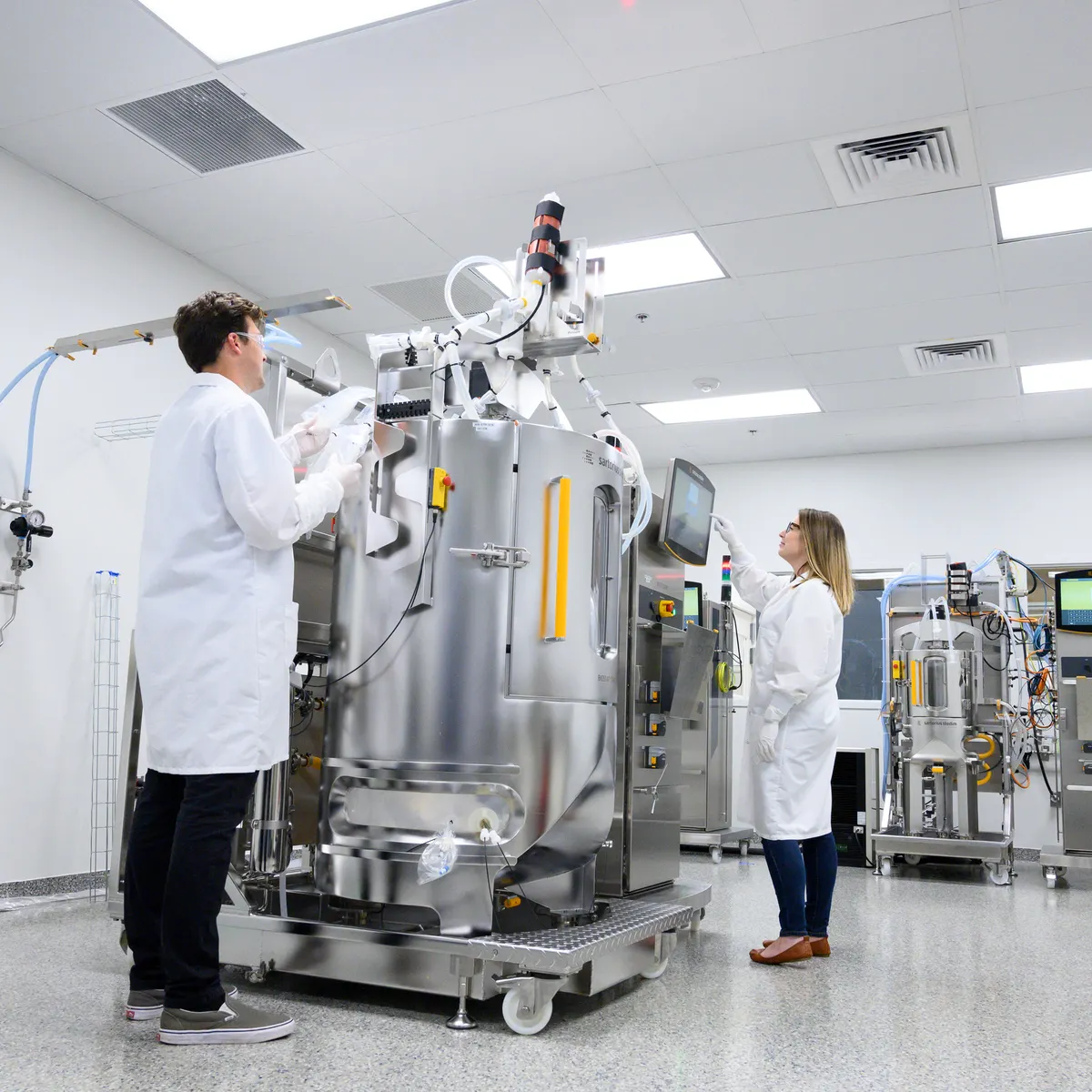
In a significant breakthrough for patients suffering from Huntington's disease, UniQure has announced plans to submit a marketing application for its innovative gene therapy, AMT-130, in the U.K. This development follows a constructive meeting with drug regulators and represents a critical step towards potentially transforming the treatment landscape for this progressive neurodegenerative condition.
A New Chance at Approval
AMT-130, which aims to silence the gene responsible for producing a harmful protein linked to nerve damage, is on the cusp of a pivotal moment. The therapy has shown promise in ongoing trials, with data indicating it may slow the progression of the disease, a glimmer of hope for those affected by a condition that currently lacks a cure.
Potential Impact on the Huntington's Disease Community
Matt Kapusta, CEO of UniQure, expressed the significance of this milestone, stating, "This is an important milestone for the Huntington’s disease community." This commitment not only to advancing treatment but also to collaborating with regulators on a global scale promises to bring AMT-130 closer to patients who need it most.
Market Response and Future Prospects
Following the announcement, shares of UniQure surged over 20%, reflecting investor optimism about the therapy's potential and the positive feedback from the U.K. regulators. Analysts have noted this development as a symbolic victory and could influence ongoing discussions with the FDA regarding the path to approval in the U.S. Such momentum may foster a more accommodating stance from regulatory bodies, particularly as the urgency for effective treatments for rare diseases is becoming increasingly recognized.
As we await further updates from UniQure, it’s clear that this advancement not only represents a beacon of hope for Huntington’s disease patients but also illustrates the evolving landscape of gene therapy research and development. The therapeutic potential of AMT-130 could indeed mark a transformative shift in the fight against this debilitating condition.

