Hope Springs with the Reintroduction of the Green and Golden Bell Frog
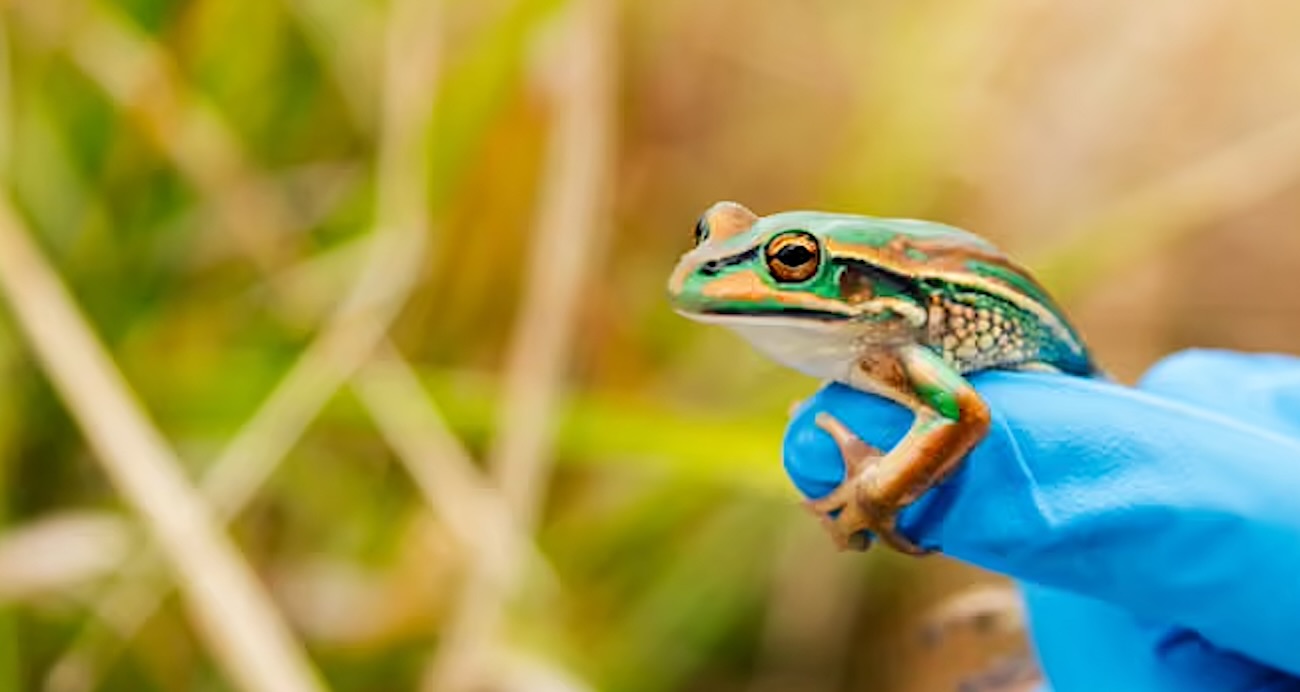
The green and golden bell frog, a stunning amphibian native to Australia, is making a remarkable comeback in the wetlands near Canberra after facing a dire population collapse due to chytrid fungus. This dedicated conservation effort reflects a significant step forward in the battle against amphibian extinction.
Innovative Solutions in Frog Conservation
Through captive breeding programs, scientists have carefully nurtured these frogs to prepare them for their return to the wild. This strategic reintroduction involves releasing small groups of 15 frogs into ponds and wetlands that have been specially prepared for their safety. Remarkably, the frogs have been immunized against the chytrid fungus, a disease that has wreaked havoc on amphibian populations globally.
The Ingenious 'Frog Saunas'
A key component of this reintroduction initiative is the construction of unique habitats dubbed "frog saunas," which are essentially piles of black bricks encased in rigid plastic sheets. These structures provide ideal shelters for the frogs while maintaining higher temperatures that are lethal to the chytrid fungus. Associate Professor Simon Clulow from the University of Canberra describes this effort as akin to watching one's children move out for the first time—an emotional yet hopeful occasion.
Looking Toward the Future
With 180 frog saunas installed around the release sites and over 300 frogs ready to be freed, the project aims to build a thriving population. The female frogs, capable of laying around 8,000 eggs in one mating season, hold the promise of rapid population growth, although future generations will still need protection from the chytrid fungus.
By utilizing innovative climate-controlled habitats alongside captive breeding, scientists are pioneering methodologies that could very well be the key to saving not just the green and golden bell frog, but other endangered amphibians as well. As we continue to learn from past mistakes, this project could serve as a beacon of hope in wildlife conservation, demonstrating that with creativity and commitment, even the most threatened species can find a path back to recovery.

