How a New Regulation is Empowering Consumers Through Transparency in Edible Oil Pricing
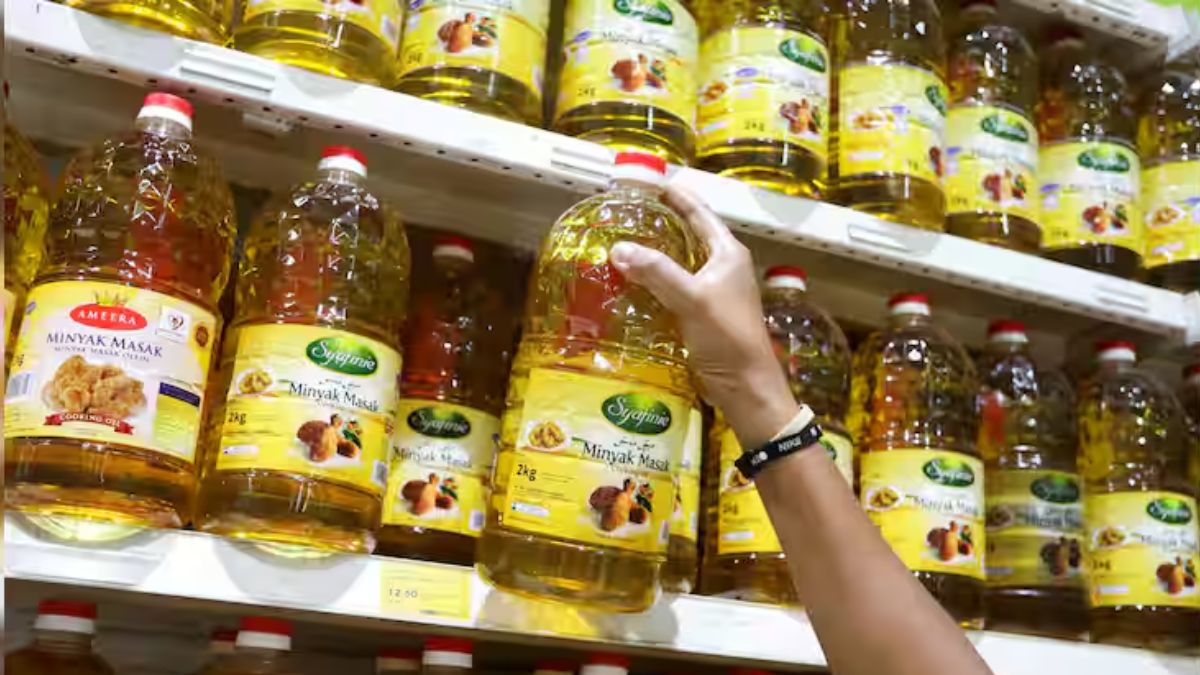
In a significant move to enhance consumer empowerment, the Department of Consumer Affairs has introduced standardized pack sizes for edible oils and blended oils. This initiative aims to simplify price comparisons for consumers, ultimately fostering greater market transparency. Announced on Saturday, this reform seeks to combat the complexity introduced by the varied packaging sizes commonly found in the marketplace.
Streamlined Price Comparison for Consumers
The Ministry of Consumer Affairs, Food and Public Distribution has stated that the amended Standard Operating Procedure (SoP) will enable consumers to make more informed purchasing decisions. By standardizing pack sizes, shoppers can easily compare prices across different brands, ensuring they receive the best value for their money. This step was taken after extensive consultations with industry representatives, indicating a collaborative effort to address consumer needs.
Details of the New Standardized Pack Sizes
The newly prescribed pack sizes include options of 200 ml/g, 500 ml/g, 1 litre/kg, and up to 20 litres/kg, encompassing major edible oils like palm oil, soybean oil, sunflower oil, and more. Additionally, the new regulation mandates that packages labeled in volume must also display the equivalent weight. This dual declaration is designed to significantly improve transparency and enhance consumer trust in their purchasing choices.
Commitment to Consumer Protection
The Department has provided a three-month transition period for manufacturers and importers to align with these new standards, demonstrating an understanding of the adjustment needed within the industry. By supporting businesses in adopting these measures sooner if possible, the government is prioritizing consumer interests and fairness in the marketplace. This initiative reflects a broader commitment to protecting consumers and ensuring they are well-informed, ultimately enhancing confidence in the foods they purchase.

